



Paper is still essential in our world, although increasingly we now rarely trust it with anything important.
We scribble on it, fold it, tear it, pin notices to it and push it around institutions. It carries the first version of an idea and is frequently discarded once something more substantial has replaced it.
But paper can also contain a world. A drawing made on it can become a building. A few printed fragments can be assembled into a new reality. A modest sheet can carry an image, instruction, accusation, fantasy or administrative demand far beyond the room in which it was produced.
In Paperhouse, a new solo exhibition opening at Leeds Arts University’s Blenheim Walk Gallery, artist and writer David Steans takes that ordinary material and allows it to become distinctly less reliable.
Collage, text, sculptural installation and architectural model-making are brought together in an exhibition concerned with artistic production, popular visual culture - and the peculiar atmosphere of institutions.
At its centre is a substantial architectural model inspired by the gallery itself.
It's not intended as a dutiful miniature replica. Instead, the building has been passed through Steans’ own logic until it occupies a more ambiguous place: somewhere between a maquette, a doll’s house and a sculptural proposition.
The gallery is therefore set to be presented with an altered version of itself.
For an artist interested in repetition, systems, bureaucracy and the faintly absurd performance of institutional life, this seems entirely appropriate.
Steans is based in Leeds and works across text, moving image, sound, installation and collage. His practice repeatedly creates a feeling that something familiar might have shifted by a few degrees.
He doesn't necessarily attack institutions head-on. Instead, he rebuilds their language, behaviours and physical environments through subtle distortion, humour and narrative slippage.
The results can feel comic and unsettling at once. This is the territory of the uncanny: the apparently ordinary object, room or sentence that begins to behave strangely. A corridor seems too empty. An official instruction repeats itself. A reassuring system reveals an unexplained logic of its own.
The raw material for this world doesn't come exclusively from galleries or academic theory.
Steans draws from horror, metafiction, graphic design, punk, zines, DIY publishing and other vernacular forms of image-making. The polished and provisional sit beside one another. Art-school exercises share space with mass-produced imagery and the visual debris of everyday life.
Nothing is required to observe the usual hierarchy.
That eclecticism is also evident in a career encompassing Puppy the Goblin, a film screened at Tate Britain; Poorly Moon, commissioned by Yorkshire Contemporary; a collection of experimental horror stories now held in Tate Library; an investigation of a cursed television programme - and erotic Deftones fan-fiction written for Vice.
The last of those might not be a sentence commonly encountered in an exhibition preview. We should be grateful for that.
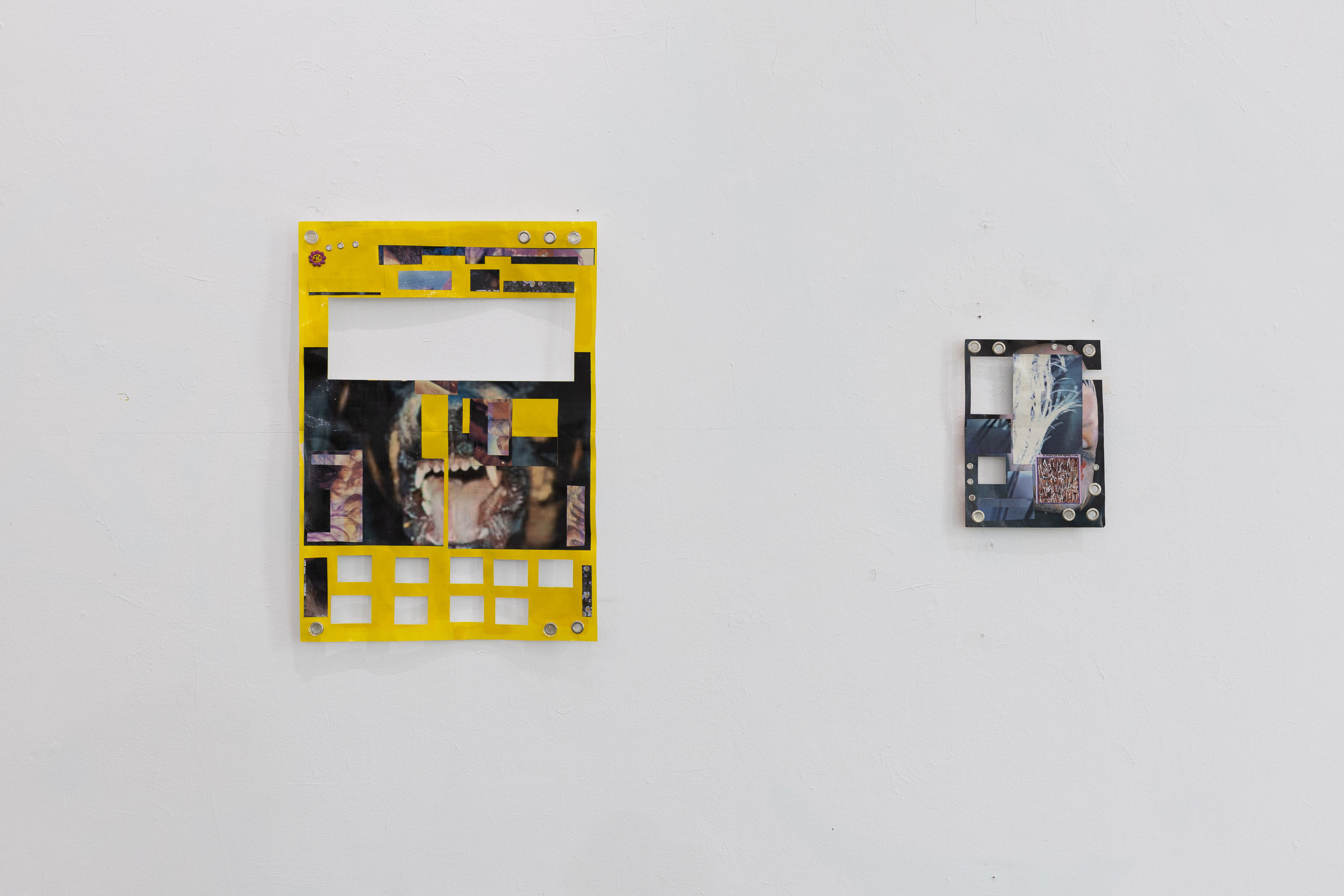
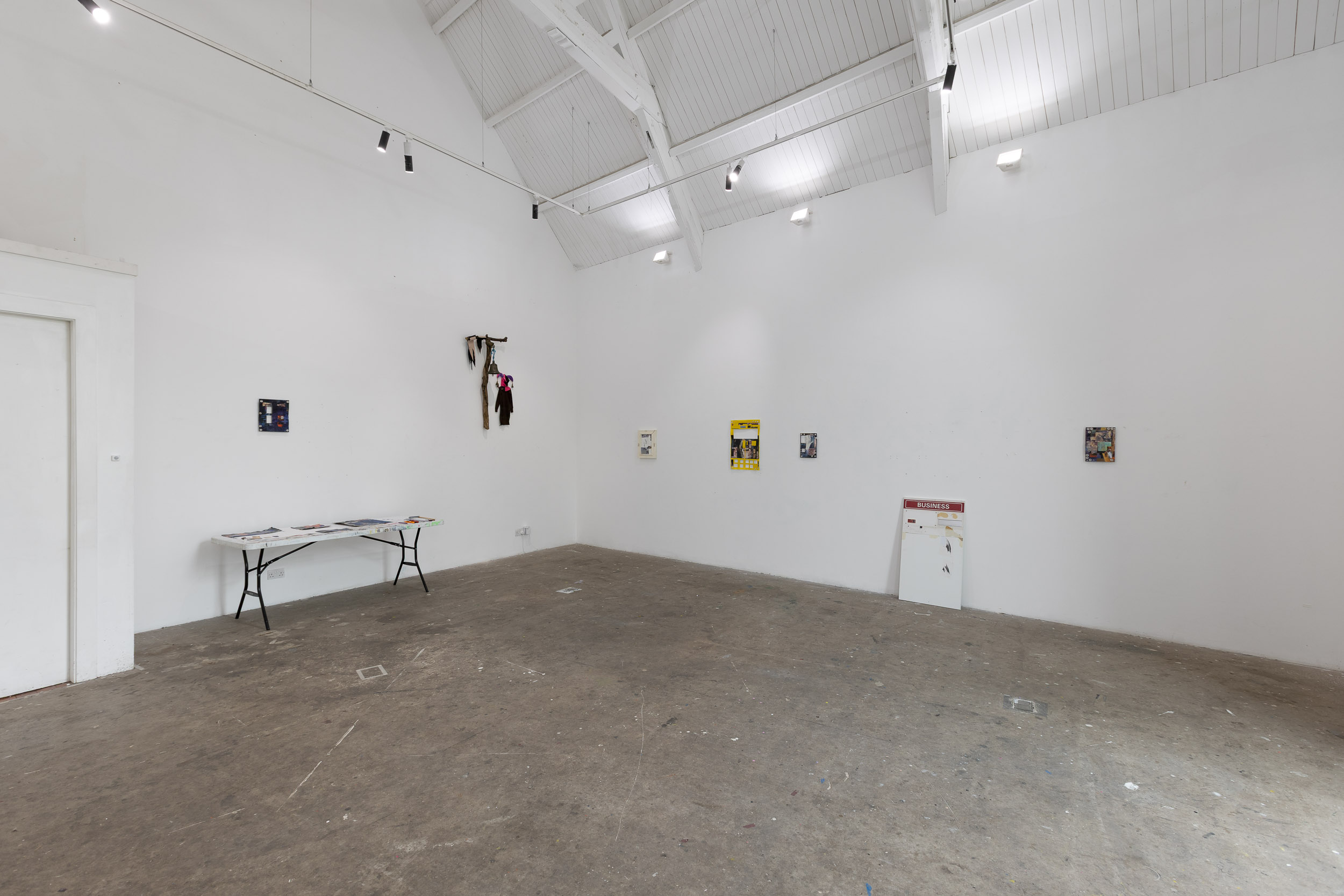
Collage has occupied a significant place within art education for over a century. It offers an accessible way of thinking through composition, juxtaposition, material and meaning: take existing fragments, alter their context and discover what emerges between them.
In Paperhouse, however, collage becomes more than the physical business of cutting and pasting.
It functions as a way of thinking.
Images, materials, scales and references are brought into unstable relationships. The architectural and domestic meet. Institutional authority encounters handmade improvisation. A gallery becomes a model of a gallery, installed inside the gallery it partially resembles.
The process contains both invention and mischief.
“Moving fluidly between collage, sculpture and architectural imagination, the exhibition reminds us that the most familiar materials can open unexpected ways of thinking about creativity, education and the spaces in which art is made,” says Dr Marianna Tsionki, Associate Professor and University Curator.
Steans’ relationship with art education isn't only a subject viewed from outside. He's Senior Lecturer on the MA Fine Art course at Leeds Arts University, completed a PhD in Fine Art at the University of Leeds and was involved in the founding year of School of the Damned - the alternative, nomadic art-school project established in response to the cost and structures of postgraduate arts education.
He knows the world he is folding, cutting and reconstructing.
The exhibition borrows its title from Bernard Rose’s 1988 dark fantasy film Paperhouse.
In the film, an ill young girl enters a disturbing dream world formed from her drawings. What appears on paper begins to acquire an existence beyond it.
Steans readily admits to stealing the title, but the connection extends beyond affection for the film.
He sees the “paperhouse” as a metaphor for our ability to build image-worlds from the most modest materials - and for the uncanny effects created when images, spaces and ideas repeat or reflect one another.
Paper is ideal for that purpose precisely because it carries so little monumentality.
It can be folded into a structure and flattened again. It can suggest permanence while advertising its own fragility. It can imitate a building without ever ceasing to be paper.
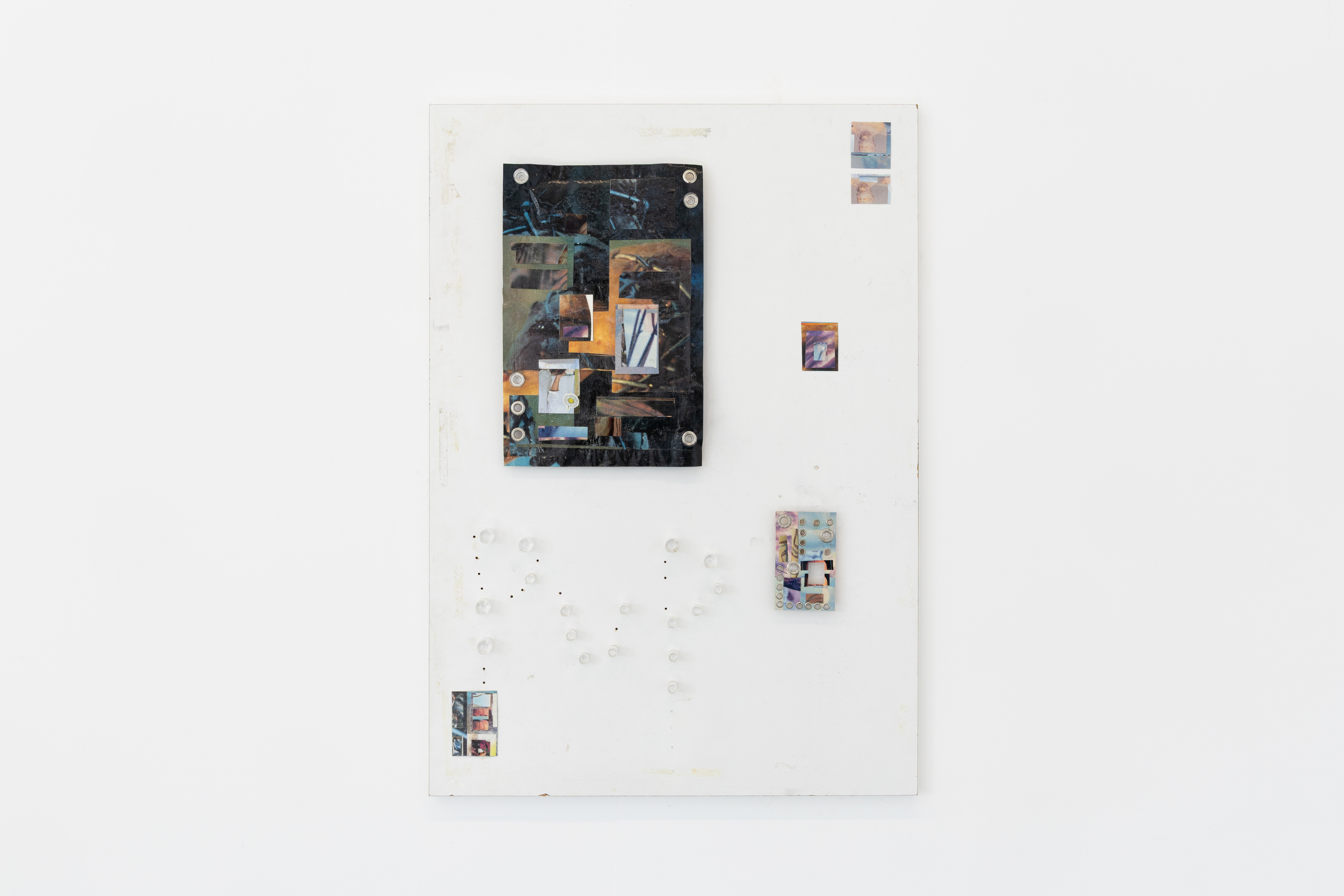
The exhibition’s lead work, Pup, offers an early glimpse of this approach. Constructed from a found laminate drawing board, collage on paper, acrylic medium, eyelets and acrylic standoffs, it already appears to sit between image and object - assembled, attached and held slightly away from the surface expected to contain it.
Photography can show us the components. Encountering their scale, texture and physical relationships inside the gallery should reveal considerably more.
There is something fantastically circular about Paperhouse appearing at Blenheim Walk Gallery.
Leeds Arts University began as the Leeds Government School of Art and Design in 1846 and celebrates its 180th anniversary this year. It's an institution built to organise, teach and support creative production - now hosting an exhibition that gently unsettles the spaces, systems and language through which that production takes place.
The gallery isn't only a neutral room containing the work. It becomes material for it.
Its architecture is observed, miniaturised and remade. The art institution looks at a distorted model of itself, while the artist moves between participant, teacher, critic and unreliable narrator.
Visitors don't need to decode every reference or identify every institutional joke. Indeed, the pleasure could lie in allowing the exhibition’s world to remain partly unresolved.
Walk into the gallery. Look at the model. Notice what appears familiar. Then wait for it to become strange.
24 September–10 December 2026
Blenheim Walk Gallery, Leeds Arts University, Leeds LS2 9AQ
Exhibition preview: Wednesday 23 September, 5–7pm.
Further information and opening hours are available from Leeds Arts University.
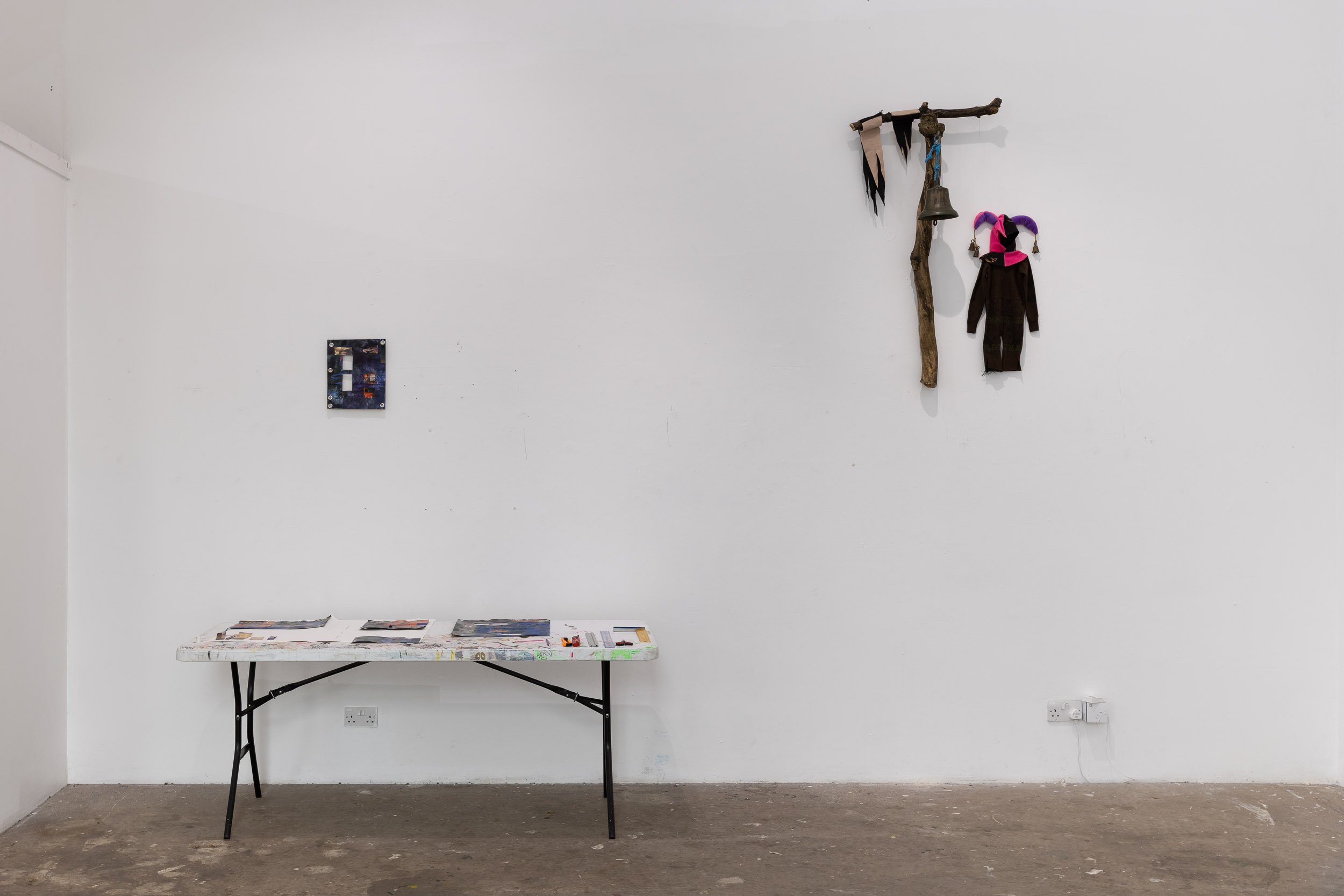
Header image: David Steans: Project Space Residency, East Street Arts, various works, 2025. Photo: Jules Lister





