



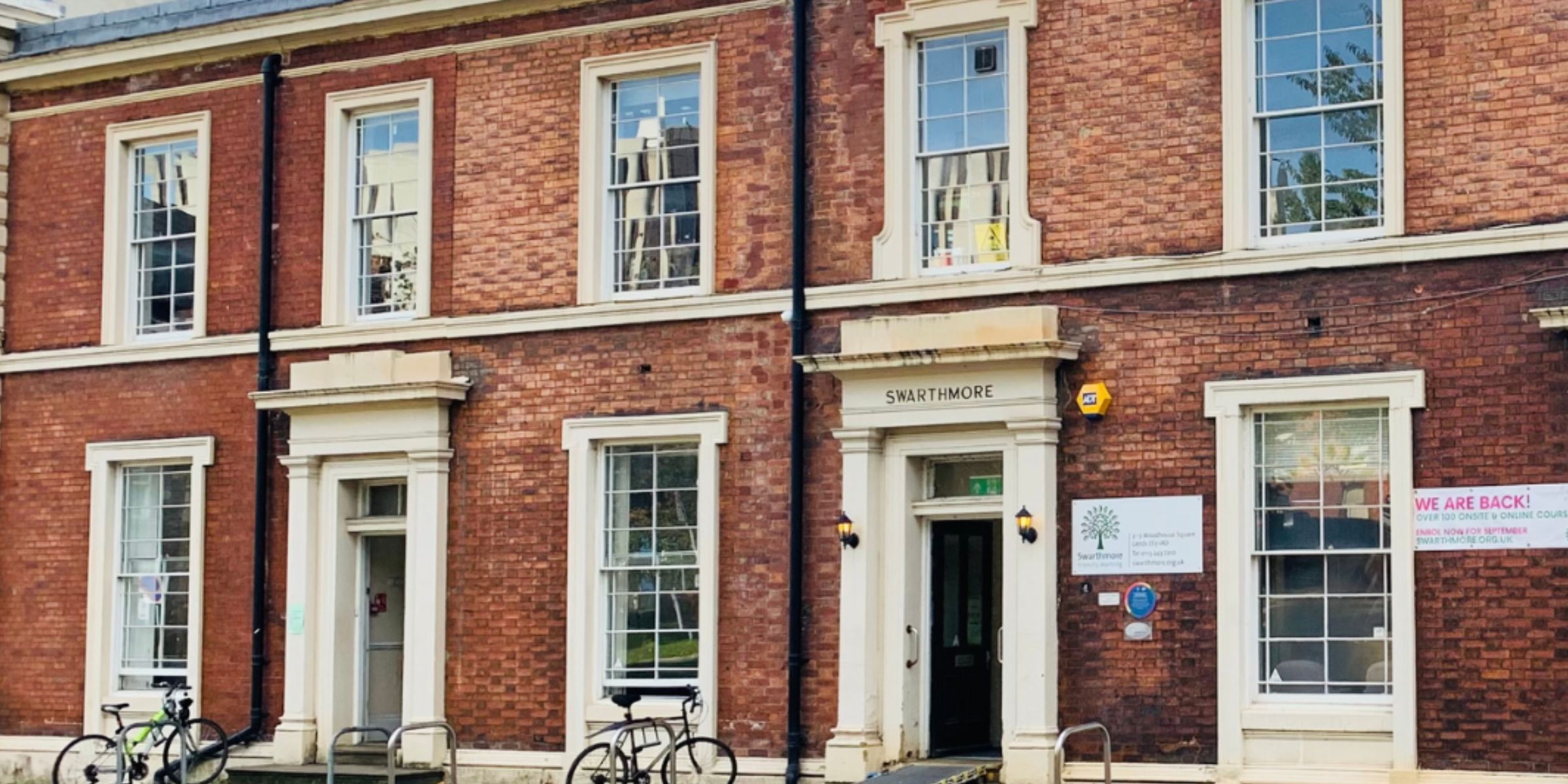
Most of us love the Leeds that's usually presented to the world: the galleries, theatres, concert halls and great civic buildings that announce the city’s cultural ambitions.
Then there is another Leeds.
It lives behind studio doors and up mill staircases; in basements occupied by printing presses, workshops stuffed with clay and timber, and shared rooms where creatives attempt to turn an idea into something another person might want to see, hold, wear or take home.
For one weekend in September, those doors will be opened.
Leeds Open Studios is back on Saturday 12 and Sunday 13 September, bringing together artists, makers, workshops and grassroots cultural spaces across the city centre, Mabgate, Armley and Farsley.
Entry is free, and lots of the work on display will be available to buy directly from the person who made it.
The direct connection is what makes Open Studios so fantastic - and important. An open-studios weekend offers something that even the best finished exhibition can't: the chance to see where art begins, before the labels are written and the gallery lighting is switched on.
Visitors can encounter unfinished work, crowded desks, tools, materials and experiments that went wrong. More importantly, they can meet the people sustaining the city’s creative life - frequently without much public visibility and long before their work gets to a formal cultural venue.
.png)
The weekend stretches across a varied collection of buildings and organisations.
At East Street Arts’ Patrick Studios and neighbouring Convention House, more than 20 artists and collectives will open their working spaces. Painting, ceramics and sculpture will sit alongside sound, film and more experimental practices.
The building's not normally open for casual public visits. On this weekend though, people will be able to follow a route through its studios, meet their occupants and see the conditions in which the work develops.
Convention House will also host East Street Arts’ first Riso Convention: a free, family-friendly celebration of the stencil-based printing process, with drop-in badge and printmaking activities, work produced through the organisation’s Riso Residency and a small art market.
Downstairs at Patrick Studios, Leeds Print Workshop will be inviting visitors to explore screen printing, lino, collagraph, monoprinting, letterpress and etching. The drop-in sessions are free and suitable for families.
The building will also host Salon, a group exhibition bringing together painting, sculpture, textiles and print by artists based at Patrick Studios, Convention House and Barkston House.
This mixture of finished work and open working space gives the weekend its unique character. Visitors aren't only being asked to look at art. In lots of places, they'll be encouraged to understand - and try - the processes behind it.
At Sunny Bank Mills in Farsley, the weekend offers another chapter in the story of how former industrial buildings can continue to shape West Yorkshire’s identity.
The vast mill complex once manufactured cloth. Its Spinning Mill, Twisting and Red Lane Mill studios now accommodate artists and independent makers, 49 of who are set to open their doors across the weekend.
A further group of artists who ordinarily work from home will gather in pop-up studios in the Main Yard, making their practices visible within the wider creative community.
The Open Studios programme forms part of the Mills’ Heritage Festival, where the family-friendly Clocking In trail will connect contemporary creativity with the lives of the people who previously worked across the site.
Visitors can follow six stopping points marked by archival photographs, hear some of the everyday stories uncovered in the mill’s records and learn about Dyevolution, a three-year project exploring colour, cloth, natural dyes and the site’s surviving dye ledgers.
It's an appropriate meeting of past and present: a place built around making, labour and materials finding new life through another generation of working people.
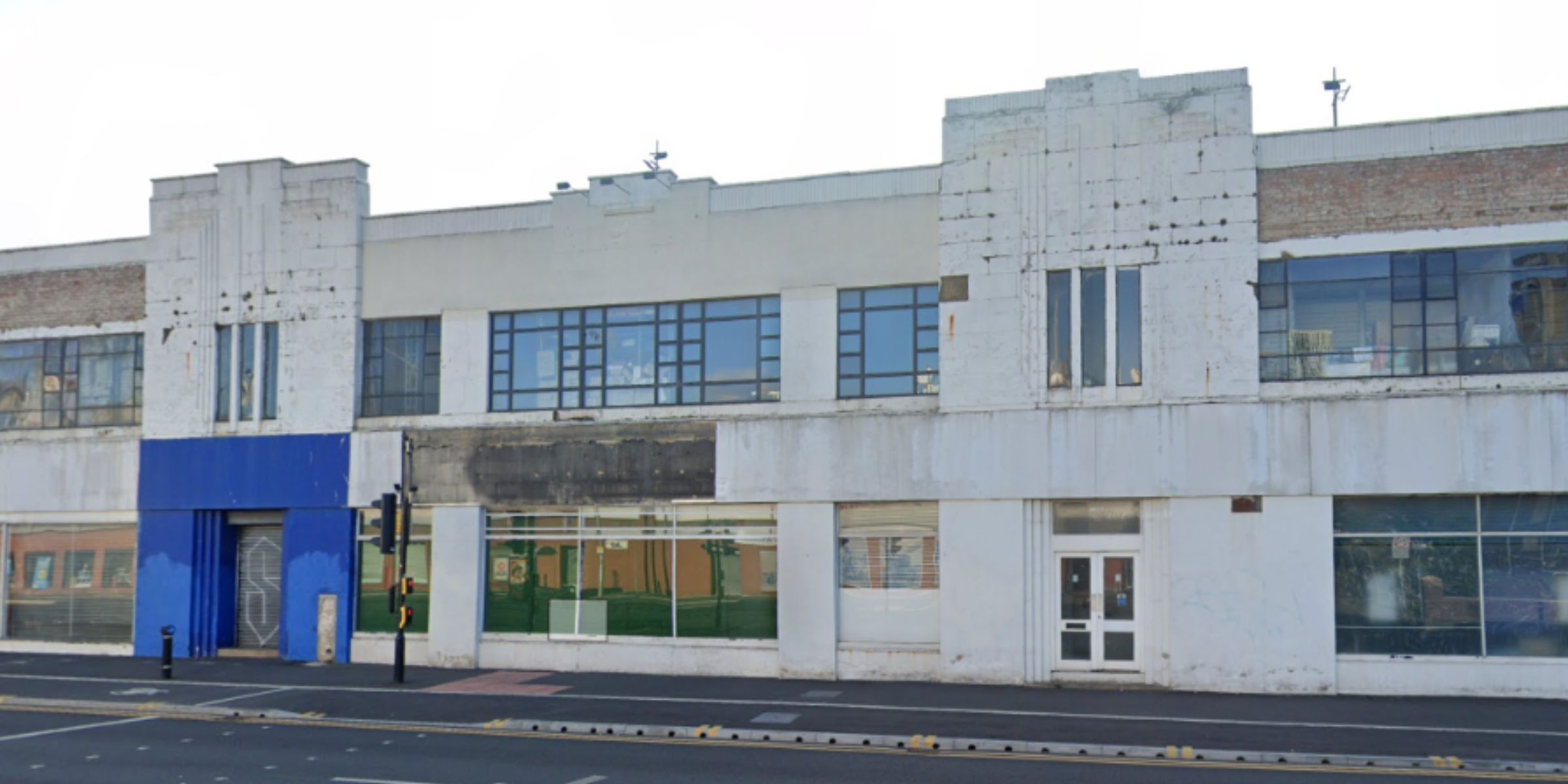
Elsewhere, the scale ranges from large studio communities to small, fiercely independent organisations.
Assembly House occupies a converted Victorian textile mill on Canal Road in Armley and is home to around 80 creatives working across painting, sculpture and performance.
At Fabrication 2, visitors will find small creative businesses spanning jewellery, fashion, ceramics, illustration and bookbinding. Free drop-in activities include kurinuki - a Japanese method of carving vessels from solid blocks of clay - with Amy Stringer, alongside bookbinding with Anachronalia for visitors aged 14 and over.
Swarthmore will also open on Saturday with jewellery, pottery and mosaic making, Chinese paper craft and bookable introductions to Procreate and screen printing.
The Attic on Sheaf Street will offer free keyring making with Sew Sweet Pea and a Lucky Pea pop-up sale, while Mabgate Art Studios at Leeds City College will be revealing work involving screen printing, joinery and upcycling.
Nests, on Regent Street, brings a different energy: a grassroots, do-it-yourself space that places creativity within a wider sense of community and collective activity.
Together, these venues demonstrate that Leeds doesn't possess only a single creative quarter or one approved route into becoming an artist. Its culture's scattered across neighbourhoods and buildings, shaped by formal institutions, independent organisations, shared workshops, colleges and spaces established by artists themselves.

Cities are often keen to describe themselves as creative. The more difficult task is maintaining the circumstances in which creative people can continue to work.
Artists need affordable rooms, equipment, time, collaborators and places where experimentation is allowed. They need opportunities to sell work without surrendering a large proportion of its value. They also need a public that understands art not as something remote or ornamental, but as work carried out by real people within the city.
Open-studios events make some of that hidden infrastructure visible.
They allow a visitor to ask how something was made, discover a process they have never encountered and buy an object directly from its maker. A young person can walk into a working studio and recognise that an artistic life isn't entirely abstract or reserved for somebody elsewhere.
The weekend might also challenge the assumption that Leeds’ cultural identity is created only inside its best-known venues.
Obviously, those institutions remain important. But the work that eventually fills galleries, stages, shops and public spaces has to begin somewhere.
On 12 and 13 September, Leeds is opening the doors to those places.
Leeds Open Studios takes place on Saturday 12 and Sunday 13 September 2026. Entry is free. Opening times vary between venues. Full and updated information is available from Leeds Open Studios.
East Street Arts’ Patrick Studios and Convention House are open from 10am to 4pm on both days. Most activity areas have lift access, although a small number of individual studios can be reached only by stairs.
Sunny Bank Mills is open from 10am to 4pm on both days. Its Spinning Mill and Twisting Studios have lift access, while some areas of Red Lane Mill and the Spinning Mill Loft are accessible only by stairs.





