



A flag is rarely just a flag.
Tied to a lamppost, displayed in a mosque window, fixed to the side of a van or carried through a protest, it gathers meaning from its surroundings. For one person, it's uncomplicated patriotism. For another, it speaks of exclusion, empire or threat. Sometimes it's celebration. Sometimes provocation. Sometimes an attempt by somebody who feels ignored to become visible.
And sometimes, perhaps, it is a question.
When filmmaker Jon King began noticing flags appearing near his home in Greater Manchester, his first question was practical: who was putting them up?
The deeper question arrived soon afterwards: why?
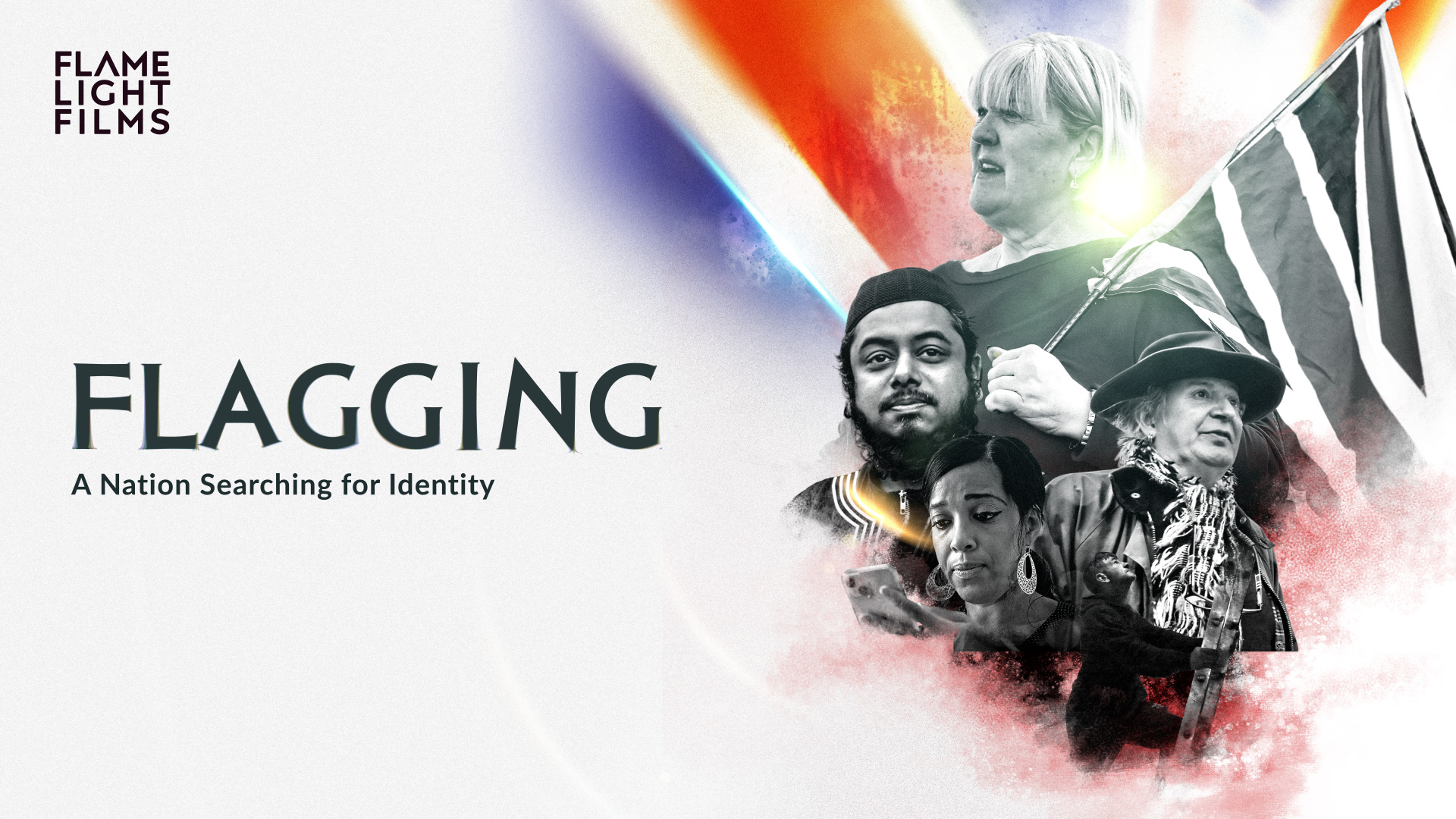
King’s new 35-minute documentary, Flagging, follows seven stories across England and explores what the national flag has come to represent during a period of deep political and cultural division. But the film quickly moves beyond the fabric itself. It becomes a portrait of a country negotiating immigration, economic decline, housing, history, belonging and its own uncertain identity.
It's also about what happens when people stop encountering one another as human beings and begin meeting instead as categories assembled for them online.
“I originally was just going to film with people who put flags up,” King explains. “I wanted to get underneath their motivations and understand what was going on with them.
“But then I realised I wanted it to be bigger and more balanced. During filming, I almost abandoned the flag thing. It became an incidental part of it and ended up being about polarisation in general and very different viewpoints.”
In the edit, the flag returned as the thread holding those viewpoints together.
So did the title’s second meaning.
“We’ve had a lot of years of struggle on a national level,” King says. “People are fed up and they’re expressing that in very different ways.
“Even though I don’t necessarily agree with what a lot of the guys putting up the flags were saying, I sympathise with their frustration and with the fact that life has got worse for a lot of people. I don’t agree with their explanation for why that has happened, but I understand that people are frustrated.”
The country, in other words, is flagging.
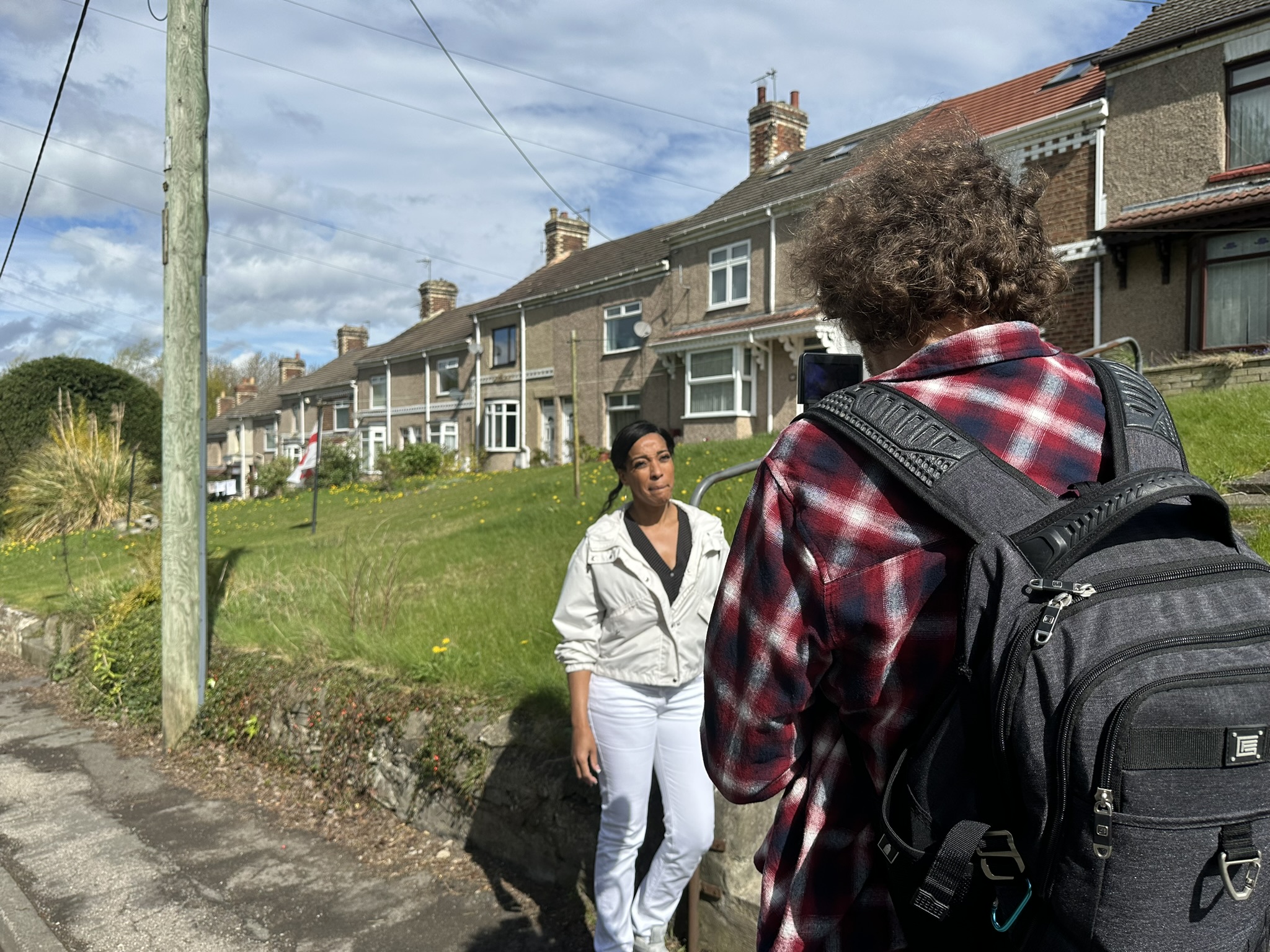
We first met Jon earlier this year, while he was filming in a County Durham village with online commentator Kate Pearl.
His method was immediately striking. There was no performance of journalistic authority and no attempt to trap his subject into saying something incendiary. King listened, followed and occasionally questioned. He allowed the encounter to unfold.
That method is tested throughout Flagging.
Paul and Jason, two of the men filmed putting up flags around Oldham, asked King almost immediately what he thought about what they were doing.
“I didn’t want to lie to them,” he says. “But at the same time, I didn’t want to say, ‘I think this is all terrible’, because that wouldn’t have set us up for a very productive filming session.
“I told them I thought it was good if people were proud of their country, but that I worried some people might find the flags intimidating.”
King didn't arrive intending to convert his contributors. Nor did he want his own beliefs to become the organising voice of the film.
“If I went in with an agenda, that would come out. I didn’t want it to feel preachy. I wanted it to feel like a listening exercise.”
That sounds simple. It's anything but.
Listening is not the same as agreeing, yet in a media culture increasingly organised around denunciation and endorsement, the distinction can be difficult to maintain. Offering somebody space to speak might aid understanding; it can also confer attention, status and a degree of legitimacy.
King was acutely conscious of that risk while filming people protesting outside a hotel accommodating asylum seekers.
“There was no violence and no threat of violence, but it was a very intimidating situation that had been created,” he says.
“I don’t think they intended it to be. I genuinely think they believed they were doing something good. But we didn’t know who the people in the hotel were, where they had come from or what experiences they might have had.”
The protesters had formed friendships through their regular Saturday gatherings. They knew one another’s names and stories. The people inside the hotel remained largely unknown to them - allowing fears, assumptions and online narratives to fill the gaps.
“They had this idea in their heads of who those people were,” King explains. “They did try to sit down and talk to them, but there was still this air of intimidation. The people from the hotel were on the back foot. There were language barriers and they didn’t know who they were talking to.
“I would love them to have a proper conversation with one of those people, to find out their story and where they had come from. There are all these unknowns which people can fill with whatever they want.”
Housing appears repeatedly within these arguments.
Britain has an acute shortage of secure and affordable homes. Younger adults cannot obtain council tenancies, struggle to rent privately and see home ownership moving further beyond reach. But the causes of that crisis are complex, decades old and politically inconvenient.
Migrants offer a much simpler target.
One contributor acknowledges that the claims he has encountered online may not be true - but appears to choose to believe them nonetheless.
That distinction troubles King.
“The people with more right-wing views all seemed aware that there is a huge amount of misinformation,” he says. “I don’t think they were naïve or easily fooled.
“If anything surprised me, it was that they knew they didn’t know what was true. Paul says, ‘I hear all this stuff on the internet. I don’t know how true it is.’
“He is essentially choosing to believe it. That is challenging, because why does he choose to believe that? Why do I choose to believe what I read? How do any of us know what is true?”
Facts still matter. Evidence matters. Claims about migration, criminality and housing can't be permitted to float unchallenged into public life merely because somebody believes them sincerely.
But facts now enter an environment in which trust itself has collapsed. Evidence from one source becomes propaganda to somebody living within another information world.
The effect is an identity crisis which may, in large part, actually be an economic crisis wearing cultural clothes.
King remembers discussing the cost of living, unaffordable housing, poverty and declining public services with Mel, another of the film’s contributors.
“I said: ‘You’re saying that is because of immigration, but what about Brexit’s effect on the economy? We’ve had Covid. We’ve had the Liz Truss budget. We’ve had all these other things over the last ten years.’
“Life used to get a little better for people every year. Now they see that their children can’t get a home or live comfortably even when they work really hard. People are frustrated and they want somebody to blame.
“It is much easier to believe a simple story about people coming from other countries and taking everything.”
Those beliefs can't be dismissed as politically inconsequential. The people holding them vote. A story that falsely attributes the collapse of social housing to migration can reach the ballot box long before a more complicated explanation involving public investment, Right to Buy, planning, land, wages and decades of housing policy.
Anger created by real hardship can therefore be directed towards an imagined remedy - and towards people who did not cause it.
Although seven stories appear in Flagging, an eighth presence follows each of them.
Social media is everywhere without ever sitting formally in front of King’s camera. It's brought people together, delivered companionship and allowed marginalised voices to speak. It has also given rumour the emotional force of fact and separated millions of people into parallel realities.
“There are no forums where people simply meet and understand each other’s perspective,” King says.
“Social media should make that possible because you can talk to complete strangers about all sorts of issues. But algorithms, human nature and that faceless form of communication mean people end up arguing and becoming polarised.
“Somebody with far-right or anti-immigration views may dismiss another person as having been brainwashed by the ‘woke agenda’. I might say that they have been brainwashed by the far right.
“The only solution I can see is to have a proper, genuine conversation on a human level.”
That's a modest proposal against an industrial system built to reward certainty, anger and endless engagement.
It's also the governing principle of King’s film.
In Birkenhead, Flagging visits a Muslim community centre which attracted attention after displaying the Union flag in a window.
King initially approached its organisers because of that gesture. What he encountered was a community supporting people far beyond the congregation.
The film shows a man arriving at its food bank without anything to feed his children. He's given help.
“Ibrahim and Raj were such caring people, trying to do something really positive,” King says.
“There is a stereotype that Muslims keep to themselves and only look after each other. That wasn’t at all what I found when I visited.
“Them being themselves and doing what they do became a counterargument to the idea that people have come here to invade us, convert us or take everything from us. I didn’t need to manufacture that. It spoke for itself.”
This is where King’s refusal to use narration becomes so effective.
There's no voice instructing the audience that the men are good, or that another contributor is wrong. No caption arrives to resolve the contradiction. People speak, actions follow, and the viewer is trusted to notice the distance between an inherited idea and the human beings on screen.
“I don’t like being told what to think,” King says.
“If you hear a narrator, subconsciously you start wondering who wrote that and who is telling you this information. It puts something between the subject and the audience.
“You’re trying to get rid of everything in between so they can make that connection for themselves. A conclusion somebody reaches that way will stay with them much longer than one they have simply been told to hold.”
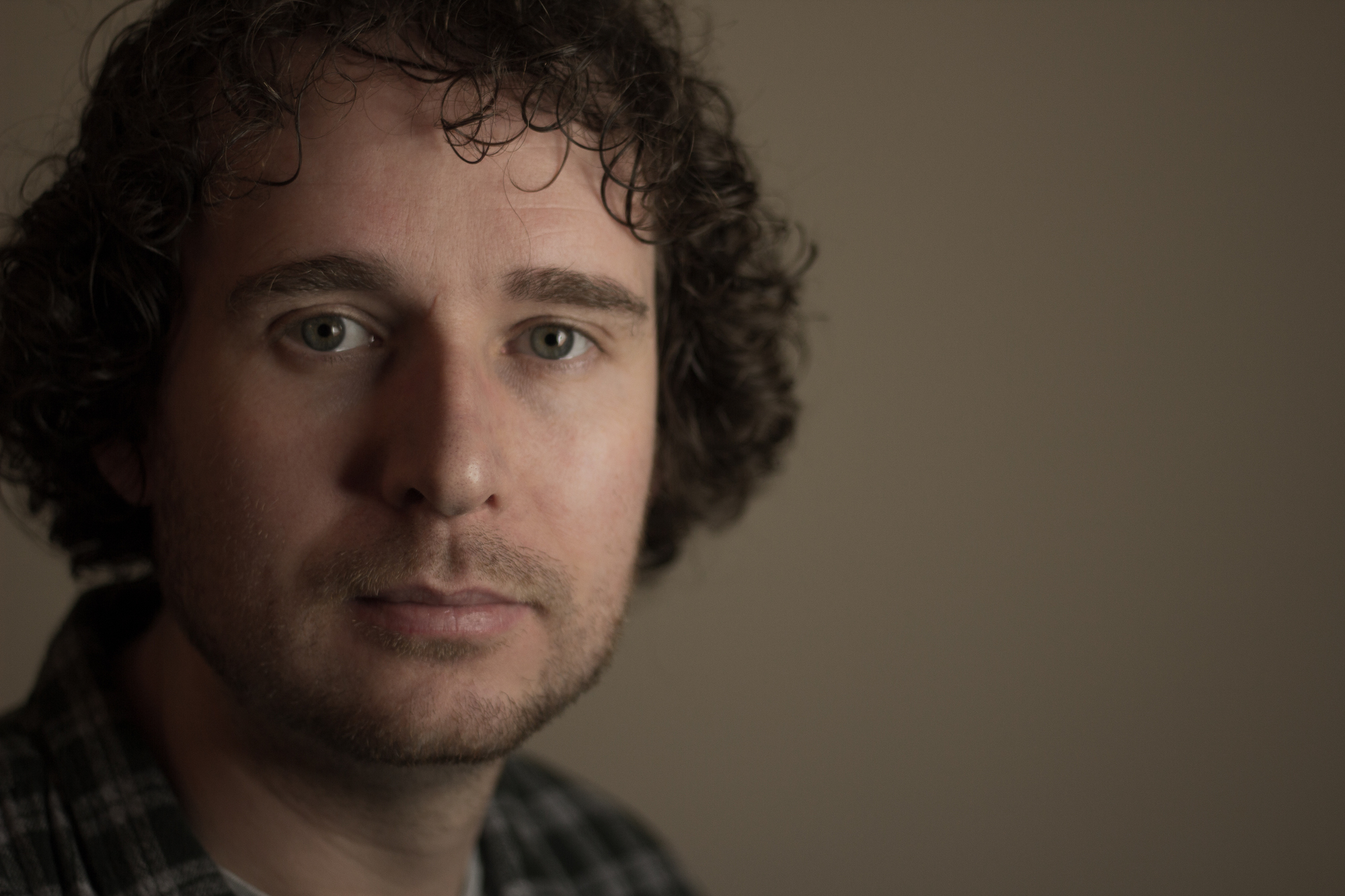
Yet restraint doesn't remove the filmmaker’s responsibility.
The worst or most specific unverified allegations didn't make it into Flagging. Charlotte Fisher, an experienced television producer who acted as executive producer, helped King navigate what could be included fairly and safely. The film also warns viewers that it contains unverified claims.
King worries particularly about extracts being separated from the whole documentary. Its careful equilibrium can be lost when a single contribution is cut into a short clip and circulated as self-contained content.
That is an acute irony: TikTok has so far provided Flagging with its largest audience, with some clips receiving tens of thousands of views. The platform helping the film reach people is also structurally ill-suited to its complexity.
“It can become more one-sided,” King acknowledges. “An individual clip can be taken out of context and used to promote almost whatever somebody chooses.”
He also remains conscious that filming a protest can validate its participants simply by making them feel noticed.
“They might think, ‘People are paying attention to us. This man with a fancy camera has come. We must be doing something worthwhile.’
“I hope the good the film does - breaking down barriers and making people more willing to listen - outweighs the possibility that I have encouraged somebody who is barking up the wrong tree.”
There's no neat editorial rule capable of resolving this dilemma. Silencing people rarely makes their beliefs disappear. Uncritically amplifying those beliefs can spread harm.
King’s response is balance, context and continued responsibility towards everybody who trusted him. Each contributor saw their own section and then the complete film before release. He remains available if the attention brings abuse or threats, and material can be removed if necessary.
That care is essential because the people in Flagging aren't symbols supplied to complete an argument. They must continue living in the communities where King found them after the audience has moved on.
By its final passages, Flagging doesn't discover agreement. Something quieter happens.
Across opposing positions, people express remarkably similar hopes: to live safely, to provide for their families, to feel heard, to belong and to share a country in which life can improve.
The harmony is limited, but real.
“Deep down, people have the same kinds of motivations,” King says. “I wanted to end with people talking about living together, having hope and believing the country can get better. That is what people need to hear, because otherwise there is no hope.”
Making the documentary exposed King to a depth of online racism and fury he hadn't previously encountered. His feeds, altered by months of research, continue serving him increasingly extreme material.
That world frightened him.
The encounters themselves offered something different.
“Meeting people face to face gave me hope,” he says. “It humanised people who put flags up and protest outside hotels.
“I may disagree with much of what they say, but I had a nice time with them. We joked and talked. I realised they are trying to do something good. They believe they are doing the right thing.”
Recognising that humanity doesn't require pretending that every claim is reasonable or every action harmless. It means accepting that lasting political change is unlikely to emerge from treating millions of people only as monsters, idiots or demographic problems.
The film leaves us with a harder question: what kind of national pride might be honest about Britain’s past without being trapped by it; open to newcomers without asking existing communities to deny their own insecurity; and generous enough to belong to everyone?
“I think the country is trying to ask whether we can be proud of ourselves,” King says.
“There is, in left-leaning circles, an embarrassment about Britain and its history - and quite rightly, because Britain has been involved in some horrible things.
“But that upsets people who want to be proud of their country and feel they can’t be, particularly when life is getting worse.
“We don’t know whether we should be proud of ourselves. We don’t know what that means or how to express it.”
Perhaps the flag can't answer any of this.
Perhaps it was never capable of doing so.
But in Flagging, Jon King allows it to ask the question - then listens carefully as a divided country attempts to reply.
Flagging is available to watch free through Flamelight Films.
Header images/media: Flamelight Films





