



Cara Dillon’s favourite part of her Christmas concert comes when the songs are over and everybody’s getting ready to go home. It's the Irish blessing she shares with audience. When she was growing up in County Derry, her mother would tell her to bless herself before she left the house, or sprinkle holy water over her. At the end of the concert, Dillon gets to do something of the same for a room full of people she’s spent the evening singing to.
“The Irish blessing for me is just my wee way of just saying thanks to everybody,” she tells me. “Sort of putting it back out there.”
I’d been listening to Upon a Winter’s Night on repeat lately - and advising everyone I've spoken with to do the same - to some complaints that it was too early for Christmas music. I wanted to ask about the moments in ‘The Wexford Carol’ when her voice falls away and the instruments carry on. By the end of our conversation, we’d talked about her mother, our families, and why some people need a place to go at Christmas.
I ask what I might miss in one of her favourite tracks if she were sitting beside me. She chooses ‘The Wexford Carol’ and ‘Rug Muire Mac do Dhia’. At the concerts, there are candles flickering when she sings the latter. People tell her afterwards that it gave them goosebumps, though they may have understood very little of the Irish.
“And sometimes I think, you know, is there something else? There’s something… well, I do believe there’s something bigger in the room than me. I’m just a channel for these songs.”
In ‘The Wexford Carol’, it’s the passages between the sung lines that I keep going back to. Dillon gives the credit to Sam Lakeman, her husband and musical partner. The musicians could fill every bar if they wanted to. She can hear the care it takes Toby, on fiddle, to play those long lines with the reverence he wants, especially at the start of a tour. She listens for little phrases Lakeman plays on the piano, details worked out over years of making music together. And when Conall plays the pipes, she can see the effect on people in the room. His playing, she says, “creates a new depth to the whole night that I think we would miss if he wasn’t doing it.”
“There’s a real art in being able to give space to a song,” she says.
Dillon grew up hearing traditional songs so often she can barely remember learning them. When it’s time to make an album, some of those songs seem to come looking for her. She credits her sister Mary with showing her what a singer could do with something already familiar. A song Dillon might have heard an old man sing in the back room of a pub could, in Mary’s voice, become an “absolute thing of incredible beauty”.
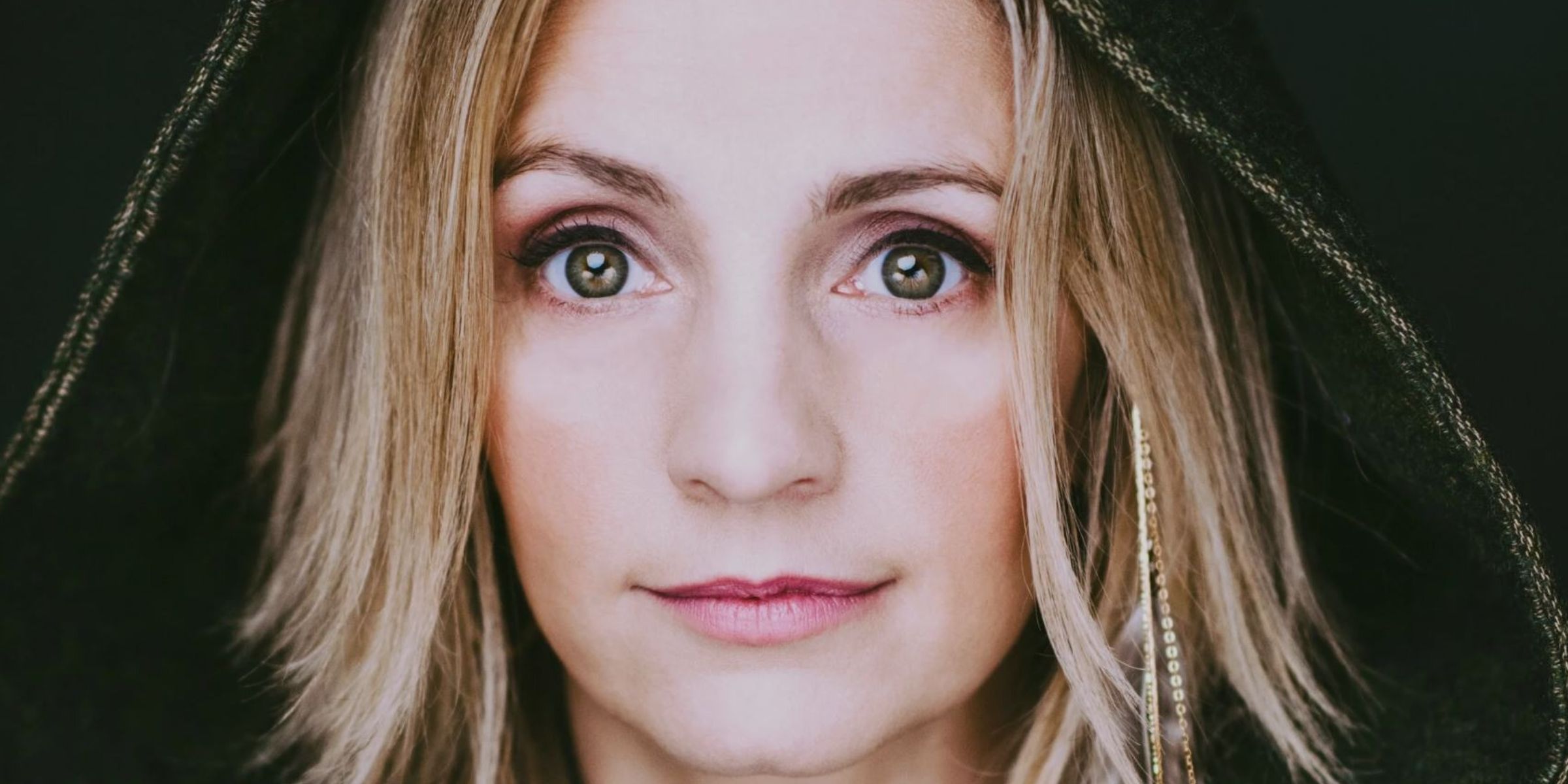
Dillon and Lakeman dedicated Upon a Winter’s Night to people longing for someone’s company. I hear that most clearly in ‘Standing By My Christmas Tree’. I ask her how she goes about singing it.
“There are people out there who are grieving. And I’ve always felt a really big sense of responsibility when I’m doing a concert that it’s not about me.”
She thinks about the people who have bought tickets, and just for an evening, might be looking for some respite or hoping to find some healing in the music. “I know it’s quite heavy, but I feel like someone out there is going to need that tonight. And I’m singing it for that person" she tells me.
When Dillon lost her mother shortly before last year’s Christmas tour, her family in Ireland urged her to stay with them. She went on the road. “I felt like every night she was with me. I felt like it was really healing. And I felt like it was therapeutic.”
We talk about how much Christmas can ask of a family. I inadvertantly tell her about the walk MagNorth is bringing back this Christmas Day in Malham, near Settle, for anyone who would welcome a bit of company. What stays with me is her answer. She talks about hearing people’s stories after concerts and being close enough to “get the temperature of the room”. About knowing, as she puts it, “that you’re helping in some tiny way”.
There are four- or five-hour drives, and calls from her children asking how many days she’ll be away. Then she steps on stage and the first song starts. “I do think something bigger than us is going on,” she says.
That thought runs through Coming Home, too. It started in lockdown, when Dillon wrote poems for herself. If anything ever happened to her, she thought, her children would have something to tell them about her side of the family and where she was from. She wrote the book while they did their homework at the kitchen table.
She grew up near where Seamus Heaney was from. Hearing him on television and radio helped make it feel natural to read her own work aloud, in her own accent. People warned her that a spoken-word album wouldn’t sell. She knew how easily a listener, herself included, could get caught up in a tune or a rhythm and miss what the words were saying. “I just wanted them to be heard,” she says.
When cellist Caroline Lavelle and fiddle player Duncan Chisholm came to record, Dillon remembers them having to leave the room and come back after hearing the pieces they were to play on. She’d written about her own home and her own mother. Their response gave her an early sense of what those memories might touch in other people. “We’re all connected anyway,” she says. She thinks of the people we’ve lost and the people we miss who are still on the other side of the world.
After the winter concerts, Lakeman sells the merchandise himself because he likes meeting people. Dillon comes out to chat and sign things. They see familiar faces who’ve brought cousins or friends. Some make an evening of it because they won’t see each other on Christmas Day. When I ask when she realised the show was becoming part of people’s Christmas, these are the encounters she describes.
I tell her I’ll bring my copy of Coming Home to Leeds and wait till she’s chatted to everybody else. By then I’ll have heard the carol again, and the pipes, and the blessing she remembers from home. What I’ll be listening for is the room around them.
Upon a Winter’s Night visits The Tung Auditorium, Liverpool on Saturday 5 December, Howard Assembly Room, Leeds on Sunday 6 December and Settle Victoria Hall on Tuesday 8 December 2026.
Header image: Upon a Winter's Night (© Cara Dillon)


