



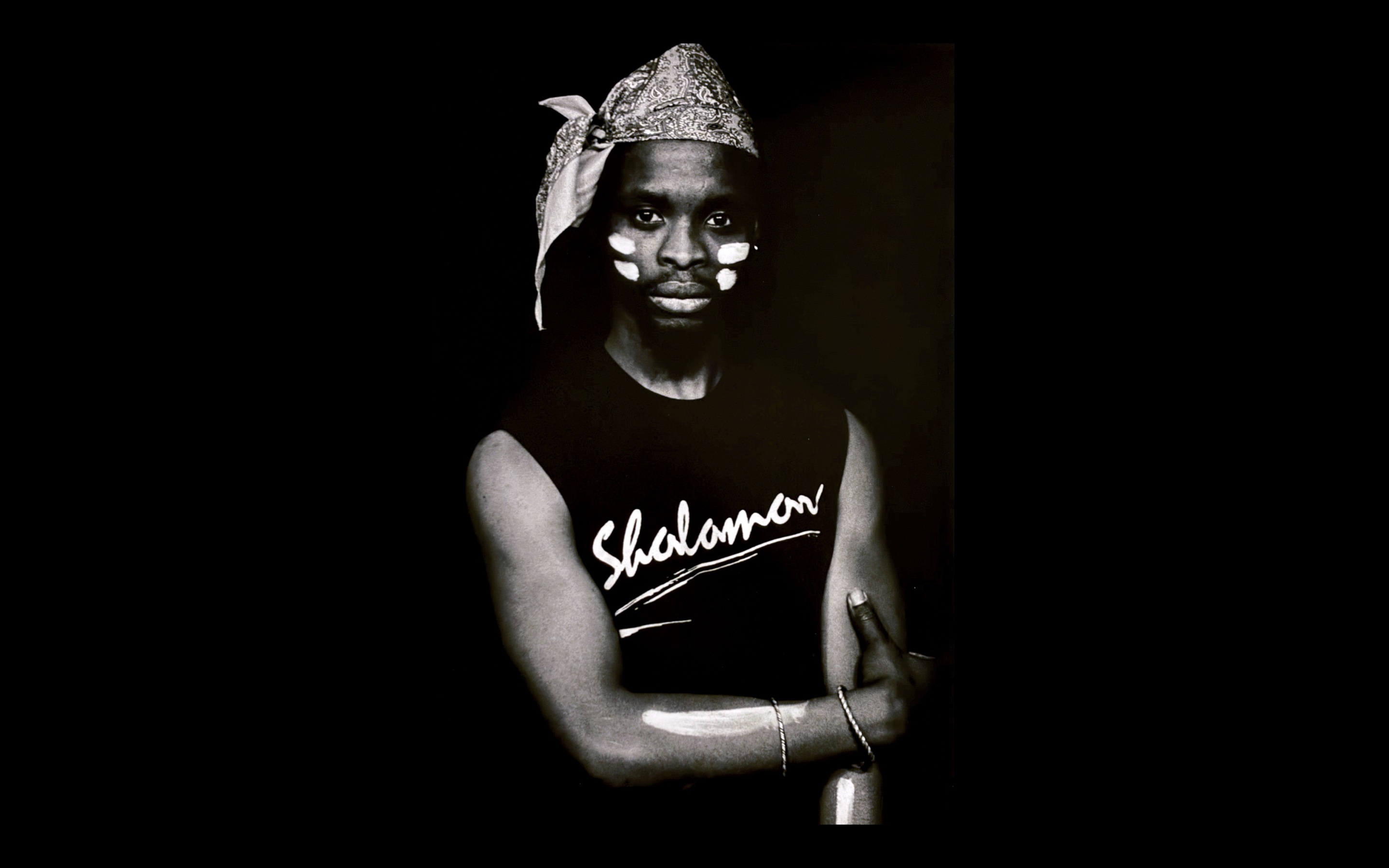
Exhibition Research Lab has announced a new exhibition - George Hallett: Home and Exile, opening to the public from 23 April to 3 July 2026.
Curated by Dr Christine Eyene, this exhibition brings together works by Cape Town-born photographer George Hallett (1942-2020) who lived in exile in Europe from 1970 to the mid-1990s. This is the first ever showcase of this pioneering South African photographer in Liverpool, a city with ties to colonisation and migration.
Introduced to literature, music, and visual arts by South African authors Richard Rive (1931-1989), James Matthews (1929-2024), and visual artist Peter Clarke (1929-2014), Hallett developed his practice as a self-taught street photographer in Cape Town in the 1960s.
His early images depict street scenes in places such as the neighbourhood of District Six, Black communities, and cultural figures and moments that were to become a major theme throughout his career.
As a South African of mixed heritage, his experience of discrimination during apartheid, and the lack of professional opportunities, led him to exile. He first settled in England in the early 1970s before moving to France and the Netherlands. In Europe, and on visits to the United States and other parts of the world, Hallett photographed both South African exile and Black life with the intention of creating a visual record that restored dignity to a people that was either absent or misrepresented in mainstream media. Doing so, he created an incredible photographic archive of Black resistance and resilience both in the place from which he was exiled, and the places that he called home.
George Hallett: Home and Exile focuses on the first part of his exile, with a selection of photographs taken in England in the 1970s and 1980s, bearing witness to the contribution of South African exiles to British culture and society.
The exhibition is articulated around three major themes: visual artists that include portraits of pioneering figures such as Gerard Sekoto, Dumile Feni and UK-based artist Gavin Jantjes; jazz musicians, among whom Chris McGregor, Mongezi Feza, Dudu Pukwana, Johnny Dyani and Louis Moholo from the famous band The Blue Notes (later known as Brotherhood of Breath); and his designs for the book covers of Heinemann’s African Writers Series then led by South African-born British editor James Currey. The series published major African writers including Nobel Prize winner Nadine Gordimer and Booker Prize winner Chinua Achebe. This body of work is an example of how Hallett experimented with the photographic medium, both technically, aesthetically, and through the performative scenes he created.
The exhibition concludes with Hallett’s return to South Africa marked by his series on Nelson Mandela during his campaign for South Africa’s first democratic elections in 1994.These images earned him a World Press Photo Award for People in the News in 1995.
First presented at Clémentine de la Féronnière (Paris) in March 2025 as part of Centre Pompidou’s “Échos Paris noir” programme, this new display, in its expanded version, coincides with the 50th anniversary of the Soweto Uprising that started on 16 June 1976, raising global awareness on the injustice of apartheid, and bringing international condemnation.
The accompanying public programme will include talks, music, performances, and film screenings.
The exhibition and public programme are supported by Liverpool John Moores University’s Institute of Art and Technology (IAT) and an Enhancing Research Cultures Grant on the theme of ‘Decolonial Research Culture’.
Header image: George Hallett - Exile London 1983 (Courtesy George Hallett Collection)





