



How do you announce a book festival? You can count the bestselling authors, collect the famous faces and arrange the whole thing into a neat procession of names.
Durham Book Festival has plenty of those names this year. Neil Tennant. Christopher Eccleston. Susanna Clarke. Lucy Foley. Louise Doughty. Hollie McNish. Fiona Hill.
But look beyond the top line of its 2026 programme and a more interesting idea starts to emerge. This is a festival asking what place does to a person: how the towns, cities, accents, industries, libraries and class structures around us find their way into the things we write, sing, read and become.
Returning from 9 to 11 October, principally at Gala Durham, the festival arrives during the National Year of Reading with a programme celebrating voices “forged in the North”. That phrase could easily have become promotional shorthand. Here, it appears to be the organising thought.
Its most conspicuous expression is going to bring together two people whose journeys began in the North East and went on to reach unusually powerful corners of the wider world.
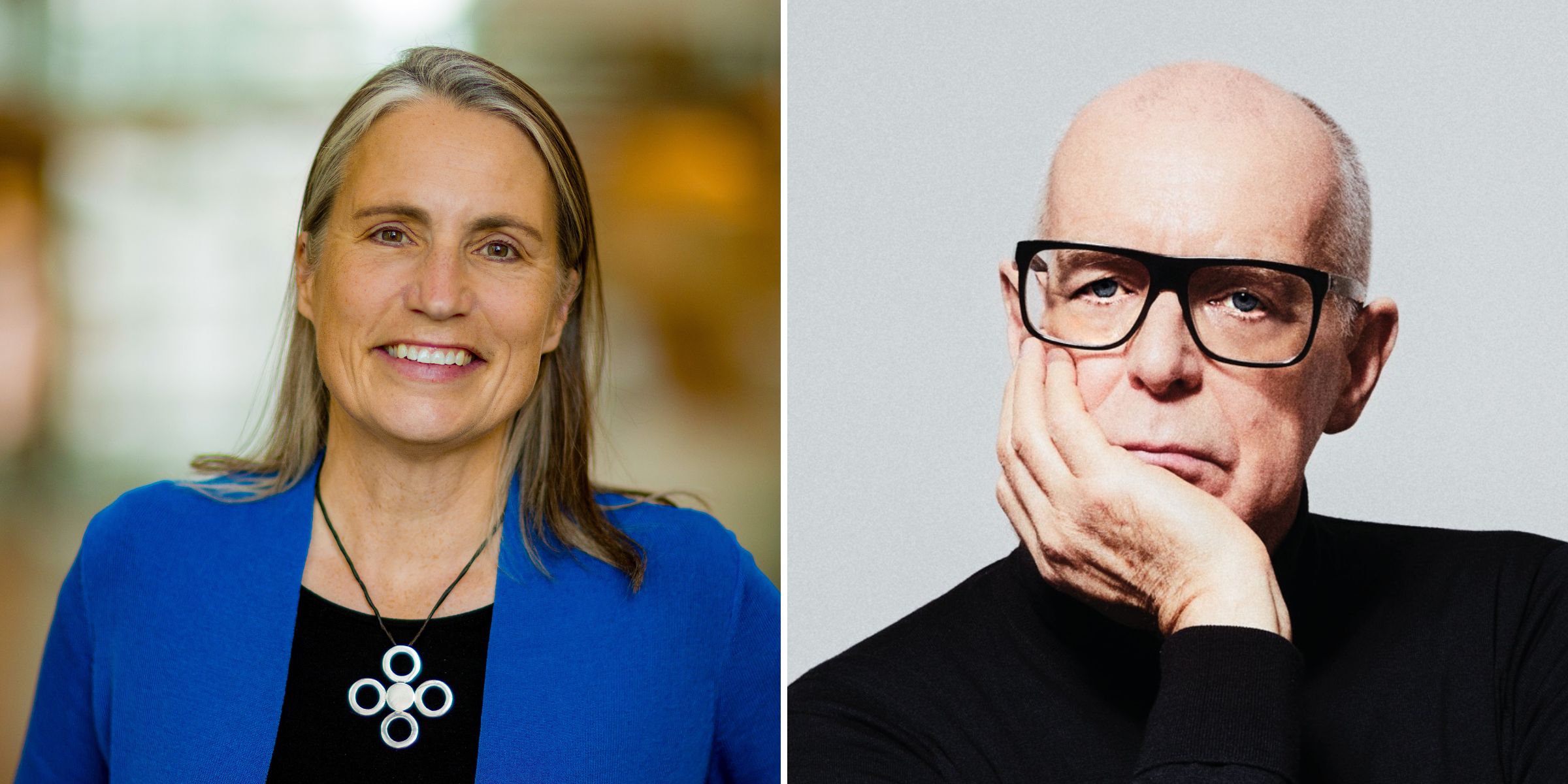
Neil Tennant, born in North Shields and raised on Tyneside, will join County Durham-born foreign affairs specialist and Durham University Chancellor Fiona Hill for a conversation about the region that helped shape one of Britain’s most distinctive songwriters.
The timing couldn't be more appropriate. The event falls in the 40th-anniversary year of Pet Shop Boys’ debut album, Please, and coincides with a new edition of Tennant’s One Hundred Lyrics and a Poem.
Tennant’s writing has travelled far beyond the North East, through imperial cities, night buses, suburban rooms, dancefloors, politics, Catholicism, aspiration, disappointment and English self-consciousness. Yet the prospect of hearing him discuss the geography beneath that work - with another Tyneside-born figure whose own career has moved from the North East to Moscow and the White House - offers something more valuable than a conventional celebrity appearance.
It asks whether we ever really leave the places that make us.
That same question resonates across the programme.
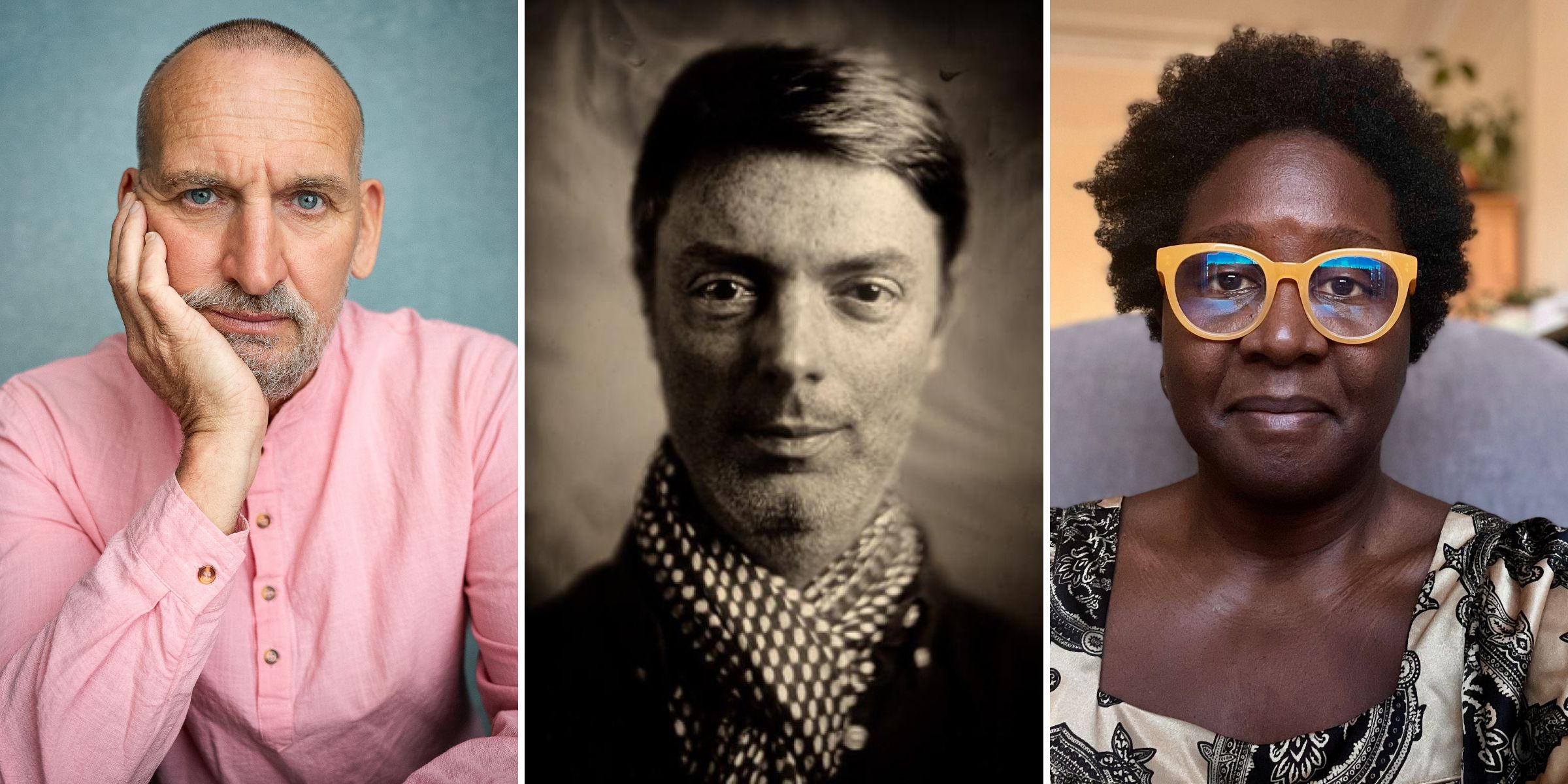
Christopher Eccleston will appear with poet and researcher Jo Clement for a live recording of The Working-Class Library podcast celebrating the late Tony Harrison. It's a particularly well-judged pairing: an actor who's spoken candidly about class, opportunity and the cultural distance between Salford and the institutions of British theatre, considering a Leeds poet who made the language and tensions of working-class life central to his art.
Harrison’s work never treated class as scenery. It was present in speech, education, family, shame, rage and belonging - in the question of who is permitted to possess language and who is told that their own voice is somehow insufficient. At a time when the arts still routinely talk about widening participation while becoming harder for many working-class people to enter, his legacy feels anything but historical.
Durham’s programme also understands place as imaginative territory.
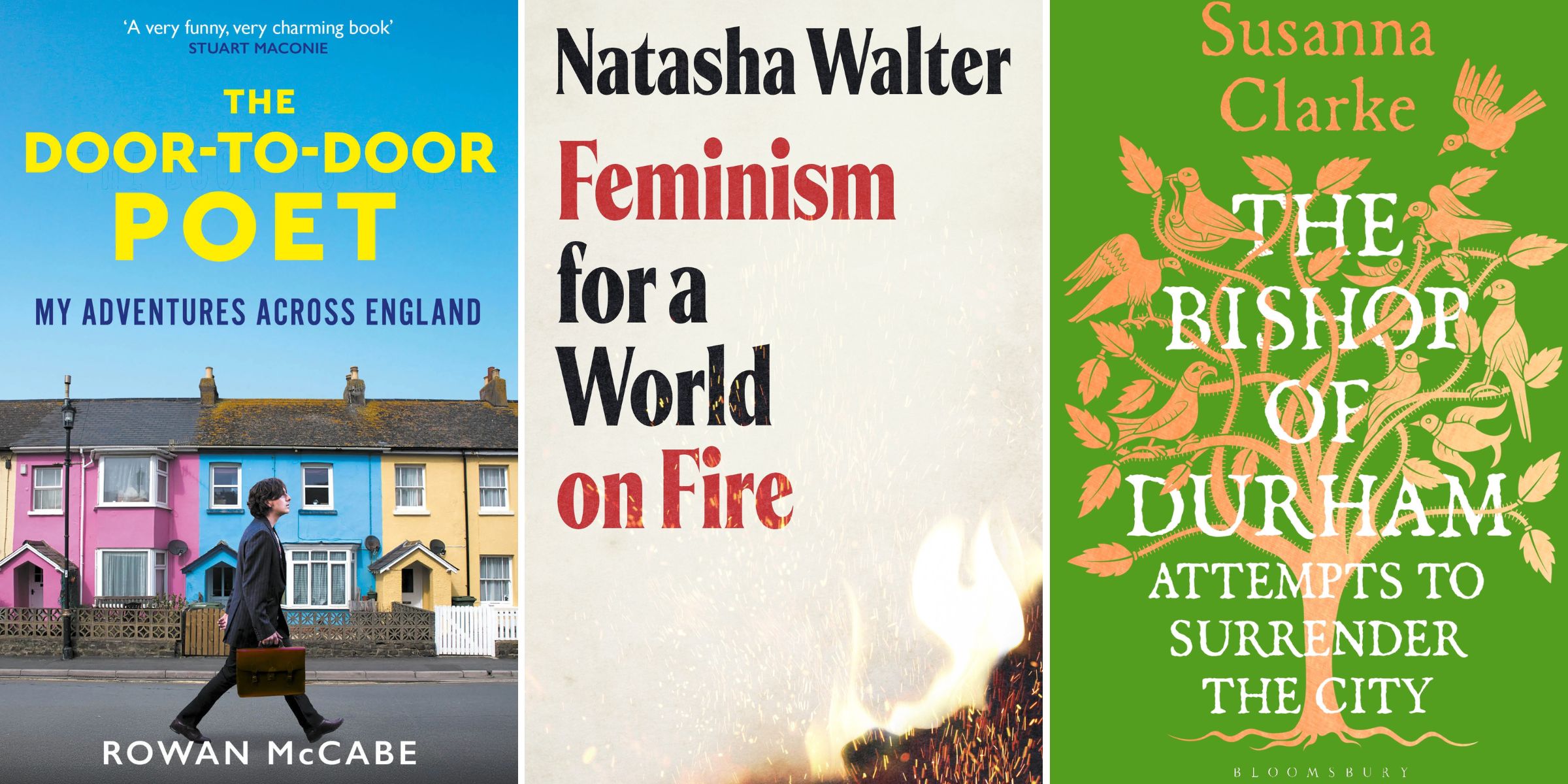
Susanna Clarke, author of Jonathan Strange & Mr Norrell and Piranesi, will make a rare public appearance to discuss The Bishop of Durham Attempts to Surrender the City. The new novella is set in 1110 and takes inspiration from Durham itself. To encounter the work in the city that anchors it should collapse some of the distance between story and setting: ancient Durham not only providing an attractive background, but actively generating fiction.
Elsewhere, the festival’s New Northern Voices event brings together Louise Powell, Sufiyaan Salam and Shaun Wilson - three debut authors whose work places northern communities at its heart. Dan Jackson turns to Newcastle United as social history, while North East writers Jo Murray and Rebecca Philipson join the programme’s strong crime strand.
None of this suggests that northern writing has to stay obediently within our northern borders. Quite the opposite. The strongest culture rooted in place is capable of speaking far beyond it. The useful question isn't whether a writer has remained geographically loyal, but whether the texture of where they came from continues to give their work particularity, friction and truth.
If the famous names attract attention, the festival’s most consequential act may be quieter.
Lucy Foley’s The Hunting Party has been chosen for the 2026 Big Read, with 3,000 free copies due to be distributed through libraries, schools, hospitals and community organisations across the North East.
That's importnat because a festival can't seriously claim to celebrate reading if the celebration remains confined to people already hanging out in bookshops, comfortable buying tickets, entering cultural buildings and recognising the names on the posters.
A free book placed into somebody’s hand isn't a guarantee that they'll read it. But it is an invitation - and an acknowledgement that cost, confidence and access still shape who feels included in literary culture.
Foley, herself a Durham University graduate, will discuss the selected novel as well as Murder at the Grand Alpine Hotel, her new commission for the Agatha Christie estate featuring Miss Marple. The Big Read takes her work beyond the festival stage and into the places where reading habits are actually formed, recovered or sometimes lost.
The council-run library programme extends that effort, with activities and workshops tied to the National Year of Reading. At a moment when libraries are too often discussed primarily through the language of pressure, closure and diminishing public provision, Durham Book Festival makes a more confident argument: libraries are not peripheral amenities. They are cultural infrastructure.
As we've said before at MagNorth; they're among the few remaining indoor public places where a person isn't required to buy something. They offer children access to worlds that household income might otherwise place beyond reach. They provide warmth, company, information, computers, local memory and, sometimes, the first small indication that somebody’s curiosity matters.
A book festival produced without libraries can still be enjoyable. A book festival that works through them has a chance to alter who gets to participate. And should be applauded.
The festival also turns its attention towards the increasingly difficult business of concentrating.
Fiona Hill will speak to Tyneside-born Times columnist James Marriott about smartphones, cognition, democracy and the decline of sustained reading - ideas Marriott has explored through his BBC Radio 4 series How Reading Made Us and his book The New Dark Ages.
It would be easy for such a conversation to descend into nostalgia: books good, phones bad, everything better before Wi-Fi. The more urgent question isn't whether screens are inherently corrupting, but what happens when our attention becomes a commodity to be harvested.
Deep reading requires time, privacy and the ability to remain with difficulty. It lets a thought develop without immediately demanding that it entertain us. Those capacities matter beyond literature. They affect how we understand an argument, recognise manipulation, tolerate complexity and participate in democracy.
Against that background, a book festival isn't simply a pleasant weekend for people who already like books. It can become a public defence of attention itself.
The rest of the programme ranges widely: Louise Doughty and filmmaker Nicola Wilding discuss new memoirs; Hollie McNish appears with Edinburgh Makar Michael Pedersen for an evening of poetry, humour and performance; poets Clementine Ewokolo, Helen Mort and Padraig Regan feature in the Poetry Book Society Showcase.
There are discussions of online misogyny and women’s rights with Clare McGlynn and Natasha Walter, new sleep stories developed with writers and scientists, encounters between gaming and fiction, food, mythology, tarot and workshops for writers trying to understand the path towards publication.
That breadth is healthy. No region benefits from being reduced to a recognisable set of northern subjects. The North isn't only post-industrial memory, landscape, football, class or accent - important though all of those components are. It's also fantasy, technology, feminist argument, food, crime, poetry, romance, humour and formal experiment.
Durham Book Festival feels at its strongest when it allows all those things to coexist while remaining attentive to the place in which the conversation's happening.
Because being forged somewhere is not the same as being trapped there.
Neil Tennant’s journey from North Shields to international pop culture may be the clearest expression of that truth. His appearance is undoubtedly going to bring audiences to Durham. But the deeper promise of this festival lies in what surrounds him: books carried into hospitals and community spaces; working-class speech treated as literature; a city inspiring new fiction; new northern writers receiving a platform; and public space being made for people to think together.
That's more than a collection of literary events, isn't it?
It's an argument that the North doesn't only produce stories. It helps produce the people who tell them - and that those stories deserve to travel.
Durham Book Festival takes place from 9–11 October 2026, mainly at Gala Durham. Tickets and the full programme are available HERE
All images: Durham Book Festival





