



In May, MagNorth’s Colin Petch is heading to the West Bank to work alongside communities and trainee journalists in the occupied Palestinian territories - a region where storytelling is not just craft, but consequence.
He goes at a moment when the stakes for journalists across the Middle East have rarely felt higher.
This week, news broke that a colleague and freelance reporter has been kidnapped in Baghdad. It is a stark reminder that in parts of the world where power is fragmented and violence is politicised, journalism is not simply dangerous - it is targeted.
The abduction of Italian-based freelancer Shelly Kittleson in Iraq underscores the volatility of the current moment. According to multiple sources, an individual linked to Kata’ib Hezbollah - an Iranian-aligned militia embedded within Iraq’s Popular Mobilization Forces (PMF) - has been detained in connection with the kidnapping.
The PMF operates under the Iraqi state but maintains deep ties to Iran. Within it, Kata’ib Hezbollah is widely regarded as one of the most powerful factions, part of a broader “Islamic Resistance in Iraq” coalition responsible for attacks on U.S. targets, including the embassy in Baghdad.
This is not a backdrop. It is the operating environment.
Kittleson, an experienced reporter who has covered conflicts in Afghanistan and Syria, had been warned of threats just hours before her abduction. She had no known direct threats against her. That distinction - once meaningful - is becoming increasingly irrelevant.
Iraq already accounts for roughly 10% of the world’s missing journalists. Most are believed to have been kidnapped.
.jpg)
For those working in or entering the region, the risks are not new - but they are evolving.
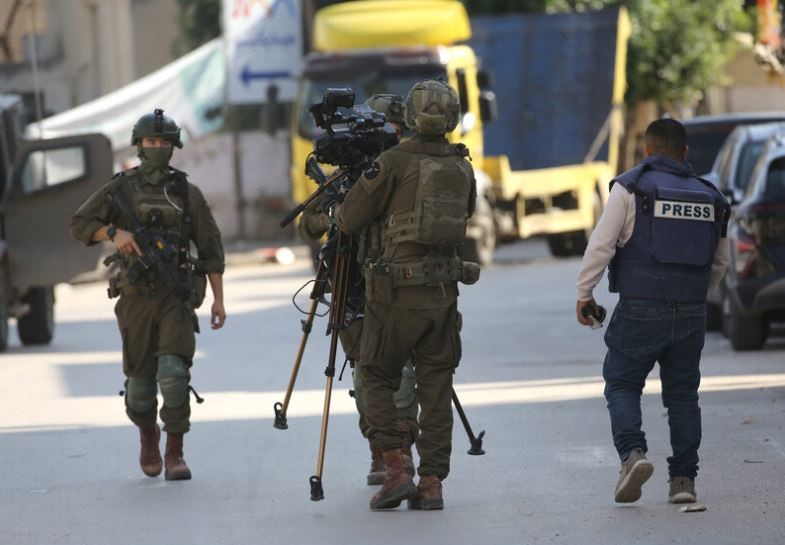
The West Bank presents a different, but equally complex, reality. It is not defined by a single armed actor, but by overlapping authorities, restrictions, and tensions that shape what can be reported, how, and by whom.
For trainee journalists - the very people Colin will be working with - the barriers are both physical and systemic:
In such environments, journalism becomes deeply personal. The line between observer and participant blurs.

If the risks are rising, so too is the importance of the work.
Colin’s visit is not about parachute reporting. It is about building capacity - supporting and equipping emerging journalists to tell their own stories, in their own voices, with the skills to do so safely and effectively.
That matters because in places like the West Bank, narratives are often contested, filtered, or lost entirely in international coverage.
Local journalists:
But they also carry the greatest risk.
The kidnapping in Iraq is not an isolated incident. It sits within a broader pattern in which journalists are increasingly seen as leverage - political, strategic, or ideological.
The last U.S. journalist abducted, Steven Sotloff, was taken in Syria in 2013 and killed the following year. Since then, the landscape has shifted, but the underlying message to reporters has not: visibility can be vulnerability.
Today’s threats are more fragmented:
The result is an environment where even experienced journalists, aware of the risks and taking precautions, can find themselves exposed.
This is not a story about running towards danger. It is a story about purpose.
Colin Petch’s upcoming work sits at the intersection of:
It raises questions that matter far beyond the Middle East:
Behind every statistic - the 90 journalists missing worldwide, the 10% in Iraq - are individuals making decisions daily about whether the story is worth the risk.
Kittleson made that calculation. So will the trainees Colin works with in May.
So, in a different way, does Colin himself.
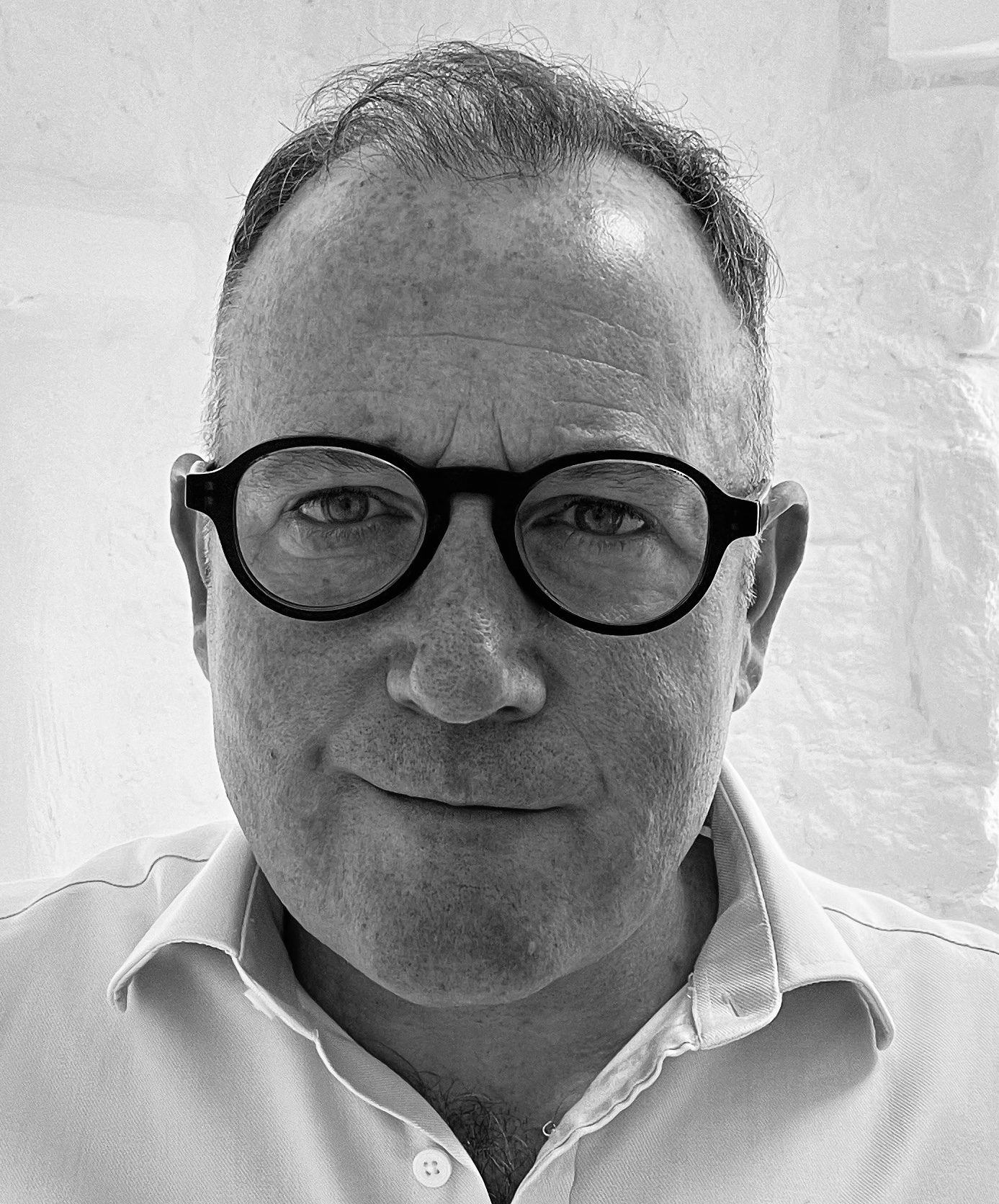
As MagNorth prepares to follow Colin’s journey, this is a moment not just to watch, but to engage.
Following the Easter break, we're launching an appeal to support this work directly - seeking both financial contributions and practical donations. Our readers will be invited to contribute any old (but working) smartphones, camera equipment, and even protective gear such as body armour, helping equip journalists working in high-risk environments - who do not have ready-access to the kit their western colleagues take for granted - with the tools they need to operate more safely.
Alongside this, MagNorth plans to host weekly live online video link-ups, connecting readers directly with Colin and the Palestinian and Israeli communities and journalists he is working with. These sessions will offer a rare, unfiltered window into both the realities on the ground and the process of reporting from within them.
Because journalism in these environments is not abstract. It is immediate, fragile, and essential.
And right now, it is under pressure.
For a magazine rooted in interconnectedness - in the idea that lives in the North of England are bound to stories far beyond it - our friend and colleague's month in the Middle East becomes something more than reportage. It is a defining moment for MagNorth, and a renewed commitment to our amplifying voices too often suppressed.
If you'd like to chat about supporting MagNorth's work, please drop me a line at: editorial@mag-north
A Huge Thank You to illustrator Gianluca Costantini for allowing us to use his new graphic of Shelly - highlighting her kidnappping
Header Image: A Palestinian Journalist at work in the West Bank (International Federation of Journalists)





