



The best way to understand a cultural organisation isn’t by reading its mission statement.
It's to sit inside a bakery in Acomb on a warm Friday evening and watch what happens when the lights go down.
Earlier this month, MagNorth was at rise@bluebird for The Ballad of Blea Wyke, the extraordinary spoken-word production created by Yorkshire writer and performer Hannah Davies with musician Jack Woods.
There were no grand theatrical trappings. There was a room, an audience at close quarters, six remarkable voices from PitchWitches - and a story powerful enough to carry us from Acomb Road to the crumbling cliffs of the North Yorkshire coast.
By the end, the sold-out room was utterly still.
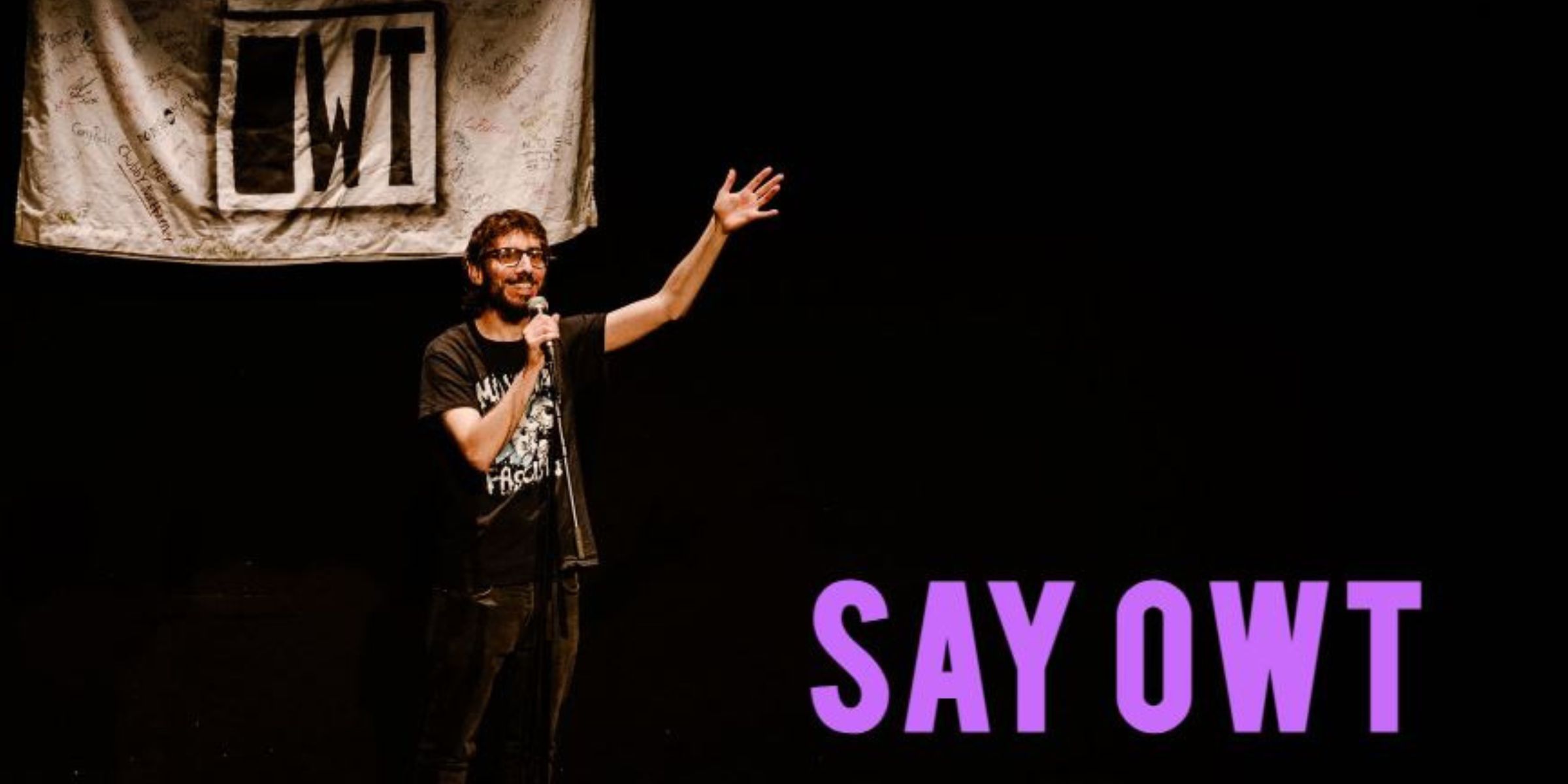
The performance belonged to Davies, Woods and their collaborators. But behind it stood SAY OWT: the York cultural collective that helped develop and produce the work alongside Next Door But One.
That's significant in this case. We sometimes talk about culture as though great work just arrives, fully formed and applause ready. It doesn’t. Artists need time, encouragement, practical help, a platform and, crucially, somebody willing to believe in the work before everybody else can see what it might become.
SAY OWT has been doing precisely that in York for 12 years.
Founded in 2014, the collective describes itself as the city’s “loveable gang of performance poets”. It is a description that sums-up something of the warmth and irreverence surrounding its events, although perhaps understates the seriousness of the work.
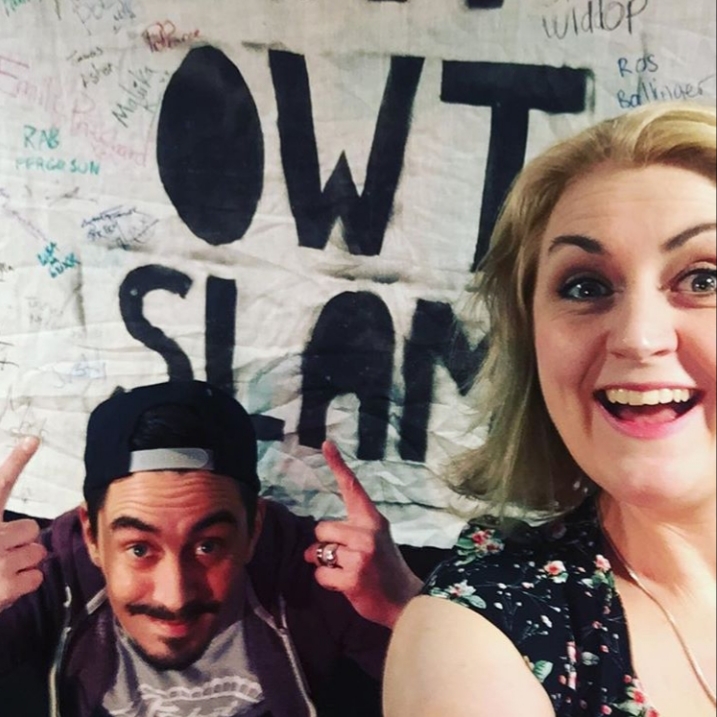
SAY OWT brings together poets, musicians, rappers, storytellers and spoken-word artists. It creates stages for nationally recognised performers, but also makes space for emerging artists and local voices. Its events can be political, personal, confrontational, ridiculous, tender and very funny - often on the same night.
Most importantly, they don’t feel like poetry events created just for people who already know they enjoy poetry.
This autumn, that same loveable gang is heading across York with one of its most ambitious programmes yet.
The season includes Michael Rosen, Len Pennie, Kirsty Taylor, KG, Pete the Temp and Tahmina Ali, as well as a SAY OWT Slam, a showcase featuring members of the collective and the welcome return of The Ballad of Blea Wyke.
It begins on 3 September with Romantics, Mystics & Revolutionaries, a new spoken-word show by Pete the Temp.
Blending history, music, comedy and poetry, the production heads back to the Romantic movement as an act of rebellion against empire, industrialisation and what SAY OWT describes as the “mechanisation of the soul”.
Yorkshire, naturally, sits close to the centre of that story.
Pete the Temp - the poet, comic and author Pete Bearder - asks what those past dreams of freedom and renewal might offer an age experiencing its own sense of political and environmental despair.
Support comes from Bangladeshi-Geordie poet and creative practitioner Tahmina Ali, whose work explores identity, motherhood, mental health, belonging and cultural inheritance through an unmistakably northern voice.
On 26 September, The Crescent hosts the return of the SAY OWT Slam: a loud, unpredictable and pleasingly democratic contest in which poets have three minutes to win over the people in the room.
There isn't a distant panel of cultural gatekeepers. The audience decides.
The evening’s guests are Bradford poet Kirsty Taylor and rapper, poet and youth worker KG. Taylor is the creator of Front Room Poetry, which places poets inside recreated, nanna-style living rooms in car parks, housing estates and other spaces that don’t routinely appear on cultural maps.
It's a perfectly practical response to an enduring question: if people aren’t coming to the poetry, why shouldn’t poetry go to them?
SAY OWT has also recognised the pressures facing its audiences. Tickets for the slam are available at different price levels, allowing us to choose what we can afford rather than quietly excluding those of us for whom an evening out has become a luxury.
Then, on 8 October, The Ballad of Blea Wyke returns to York at Theatre@41.
We make no pretence of neutrality about this one. When we encountered the production at rise, it proved to be one of those rare performances that finds its way beneath the skin before we have quite understood what is happening.
Davies’ reimagining of the selkie myth takes place in a near-future North Yorkshire shaped by ecological decline, enclosure and disconnection from the natural world. Its central character, Cerys, breaks free from a locked-down city and travels towards the forbidden coastline that formed her.
Yet underneath the mythology lies something profoundly personal: Davies’ experience of Topical Steroid Withdrawal and the meaning acquired by the image of a creature shedding its skin.
It's lyrical, politically alert and emotionally fearless. Woods’ live music moves beneath the words like a second narrative current, while the voices of PitchWitches carry the landscape, loss and pull of the sea into the room.
We gave it five stars. We’d gladly give it five again.
On 23 October, SAY OWT’s own artists step into the foreground for a special showcase at York Theatre Royal.
Henry Raby, Hannah Davies, Stu Freestone and Bram Jarman - also known as Jarmouse - will bring together poetry, comedy, music and the sort of well-organised creative disorder that's allowed them to keep filling venues for more than a decade.
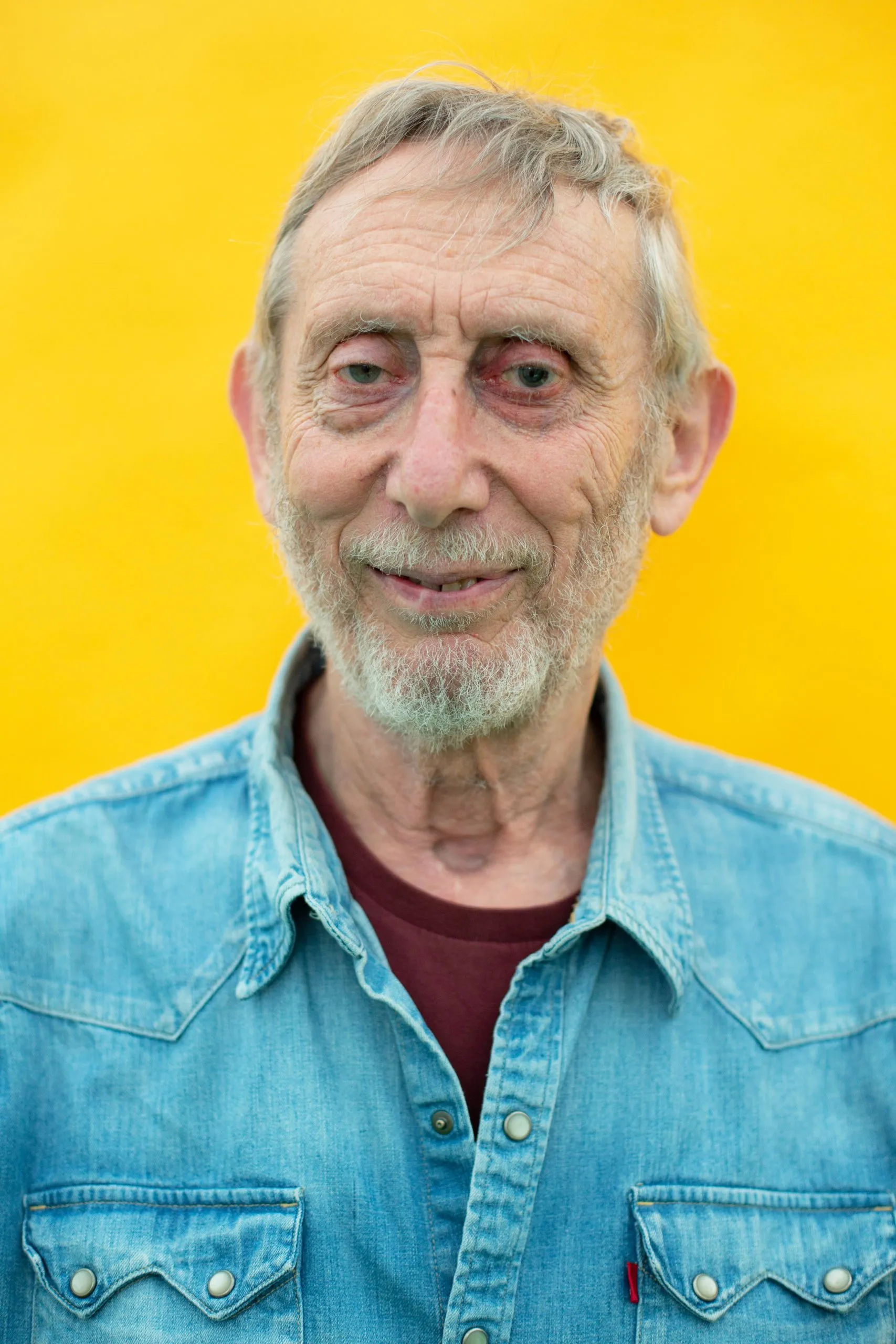
Then comes Michael Rosen.
One of Britain’s best-loved writers and performance poets arrives at The Citadel on 10 November. Rosen’s work has introduced generations of children and adults to the possibilities of language, but its apparent accessibility has never meant a lack of depth. His writing can be gleefully funny and rhythmically irresistible, while also carrying profound reflections on family, heritage, grief, politics and loss.
Support comes from York poet Cory Rich, whose writing explores queerness, faith, community and the things that offer hope or make them laugh. Rich earned the spot by winning SAY OWT’s most recent poetry slam - a neat demonstration of how the collective connects its emerging performers with some of the country’s most established voices.
The season ends back at rise on 5 December with Scots poet Len Pennie.
Writing in both Scots and English, Pennie is an important advocate for minoritised language while addressing domestic abuse, mental illness, survival and identity. Her collections poyums and poyums annaw became immediate Sunday Times bestsellers, with poyums winning Scots Book of the Year and the British Book Awards’ Discover Book of the Year.
She will be supported by No Dry Eyes Poetry.
The names across this programme are impressive. But a cultural ecology can’t survive on headline names alone.
What makes Say OWT valuable is the connective tissue: the established artist appearing next to the emerging poet; the national figure sharing a bill with somebody from York; the theatre, music venue and bakery becoming part of the same creative circuit; the audience being invited to take part rather than behave as grateful recipients of culture.
Artistic Director Henry Raby says the programme might be the collective’s most exciting “parade of poets” yet.
“It wouldn’t be possible without buzzy audiences showing up and being loud and demanding more and more shows,” he says. “And it wouldn’t be a SAY OWT season without a poetry slam.”
And he's right to place the audience within the story. SAY OWT get that culture happens in the relationship between performer, place and people. It needs remarkable artists, certainly - but it also needs affordable tickets, welcoming rooms, curious audiences and organisations prepared to take creative risks.
We saw the results for ourselves at The Ballad of Blea Wyke.
A writer was trusted with an ambitious and deeply personal story. Musicians and singers were brought around that work. A bakery became a theatre. An audience came to Acomb and allowed itself to be transported somewhere else.
That's what cultural development looks like when it remains human.
SAY OWT's autumn programme brings some exceptional voices to York. It also makes room for the voices that might come next. And we love that.





