



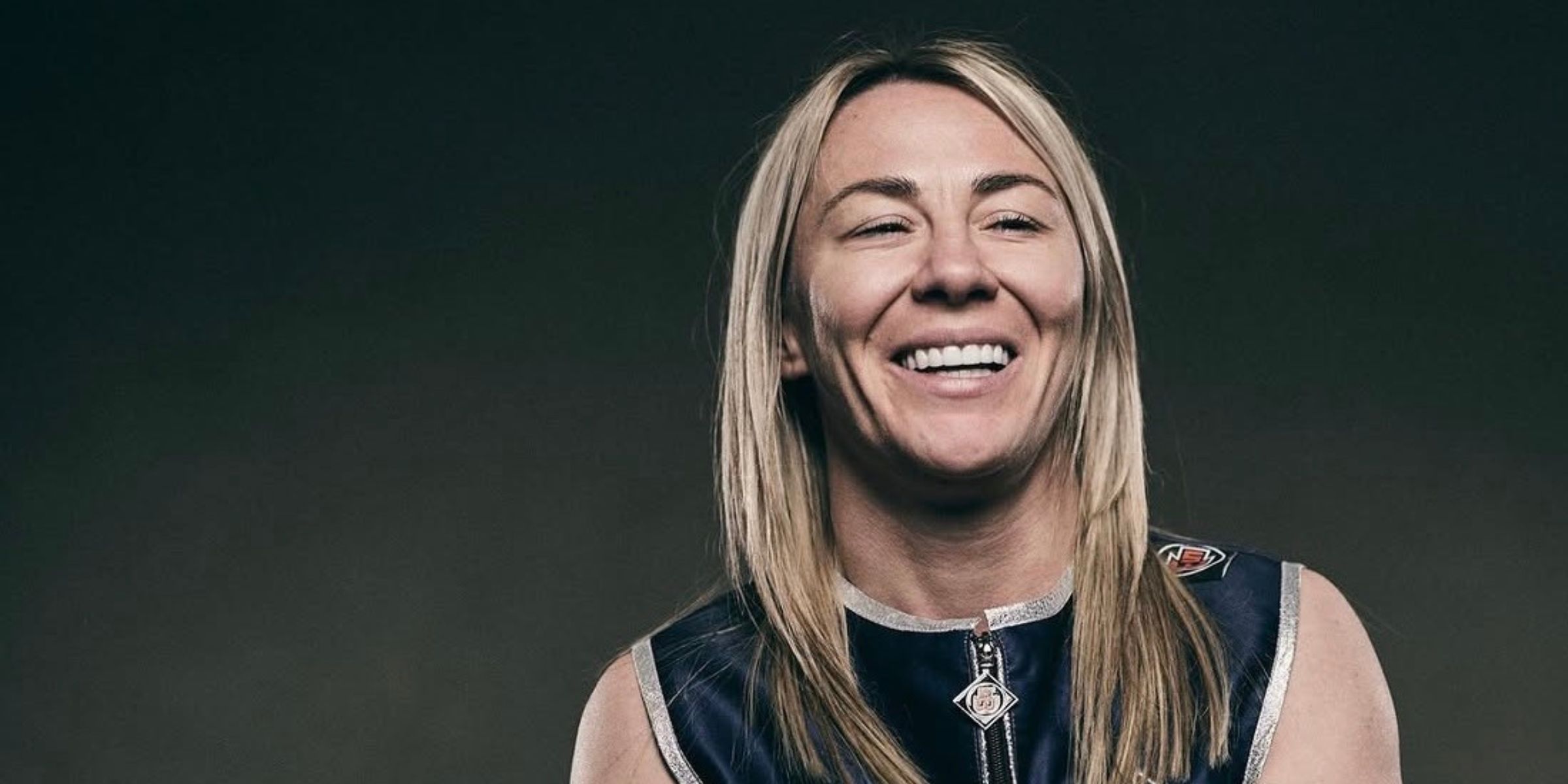
Molly McCann is on the clock when we talk - because she's got a therapy appointment this afternoon.
She says it plainly, sitting above Liverpool’s Baltic Market, in the city that made her and to which she's remained fiercely, almost defiantly, attached.
There's no attempt to turn the disclosure into a dramatic moment. No carefully manufactured pause. It arrives as part of an answer about survival: about what a young girl learns when the earliest years of her life are lived in a near-permanent state of alert.
“I still have a bit of therapy to deal with everything I’ve been through,” she says. “I've never had the time to switch off. I was always in protection mode.”
There are easier ways to promote a boxing match.
McCann could talk only about training camp, combinations and the prospect of walking into Dublin’s Croke Park in front of 80,000 people. She could give the room the familiar language of sport: feeling strong, taking each fight as it comes, respecting the opponent, focusing on the job.
Instead, she tells us where the fighting really began.
Not in a boxing gym. Not beneath the lights of a UFC arena. Not even on the football pitches where, at 16, she played for Liverpool.
It began with a child learning how to read danger. Like millions of us, Molly’s start didn’t come accompaniedwith the opportunities and insulation that we try to wrap our kids in thesedays.
“Little Molly comes from humble beginnings on a rough side of the tracks,” she says. “A very rough first 12 years of my life, filled with a lot of uncertainty.
“And the only certainty there was, was the love of my family.”
That distinction is essential in this story. McCann isn't presenting hardship as a gift, nor suggesting that fear was somehow good for her. She's describing what existed alongside it: cousins, aunties, uncles, her mum, stepdad and nan. A family without much money, but rich in the one resource that couldn't be taken from them.
“We had no money in our pockets, but we felt like millionaires because of the love and the strength and the support,” she says.
“When you grow up and you see everyone struggle, but you see no one give in, that’s all I knew. There was never a Plan B because no one had anything. This is all we’ve got, so this is what we’ve got to do.”
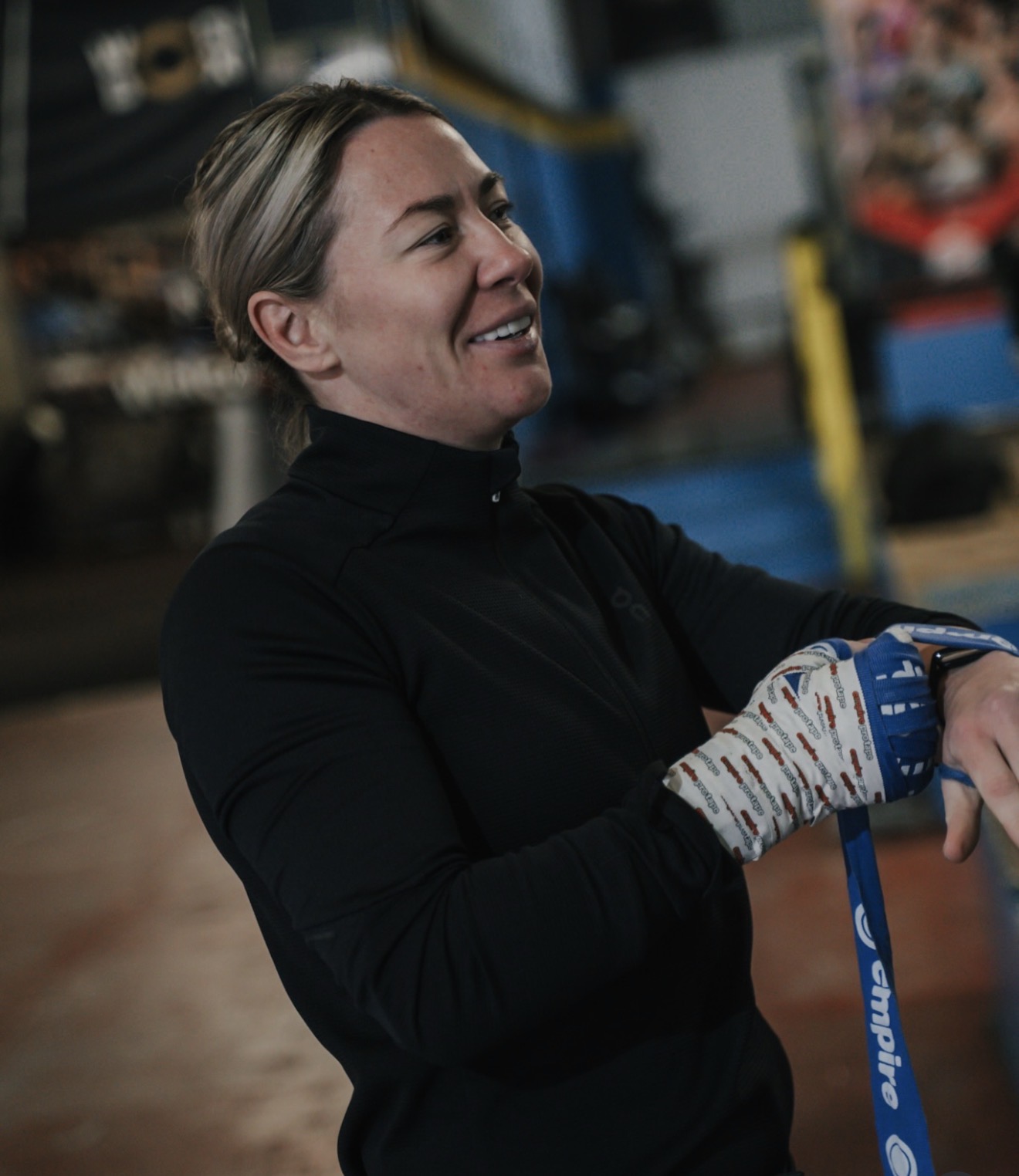
McCann remembers watching Amir Khan win Olympic silver in Athens in 2004 and deciding that she wanted to box.
The boxing gyms would not let her in.
“Girls weren’t allowed,” she says. “It was just not the thing then.”
Her mum opposed the idea too, concerned about the damage fighting might cause. Karate was offered as a compromise. McCann progressed quickly, repeatedly double-grading, but it didn't satisfy her. She moved into kickboxing at 14, still searching for the contest itself.
“All I wanted to do was fight.”
Football briefly took over, followed by a sports and recreation course at college. Boxing formed part of the teaching and there she met Kevin Smith, the Liverpool coach who recognised what was in front of him. Within six months, McCann had her first bout. Within two years, she was a national champion.
Yet the women’s weight categories available at the Olympic Games didn't include hers. Boxing was left behind and university brought a different kind of education: student life, parties, the rave scene and, for a while, the discovery of everything she'd previously been too disciplined to experience.
Then, in February 2013, McCann returned home from a nightclub and watched Ronda Rousey compete in the UFC’s first women’s fight.
She was drunk, transfixed and suddenly certain.
“This is what I’m going to do.”
McCann emailed Paul Rimmer at Next Generation MMA and arrived at the gym the following day. When Rimmer attempted to teach her the armbar Rousey had just used to win, McCann discovered she was terrible at it.
Her response was immediate.
“I was like, ‘Oh, this is for me. I’ve got to clock this. I’ve got to do this.’”
Five years to the day after sending that email, she headlined Liverpool’s M&S Bank Arena and won the Cage Warriors flyweight world title. The UFC followed.
For the next seven years, McCann learned one of the world’s most technically demanding sports while competing on its largest stage. There were great victories, four performance bonuses and the spinning-elbow knockout of Luana Carolina in London that travelled around the world.
There was a television series with her friend and fellow Liverpudlian Paddy Pimblett. Drake bought her a Rolex. The Rock knew who she was. Millions were reportedly being placed on their fights.
McCann had become internationally famous while remaining unmistakably the woman from the estate.
“I’m one of the people,” she says. “I haven’t changed. I still live on the same roads I was born and raised in.”
But there was another story taking place beneath the spectacle.
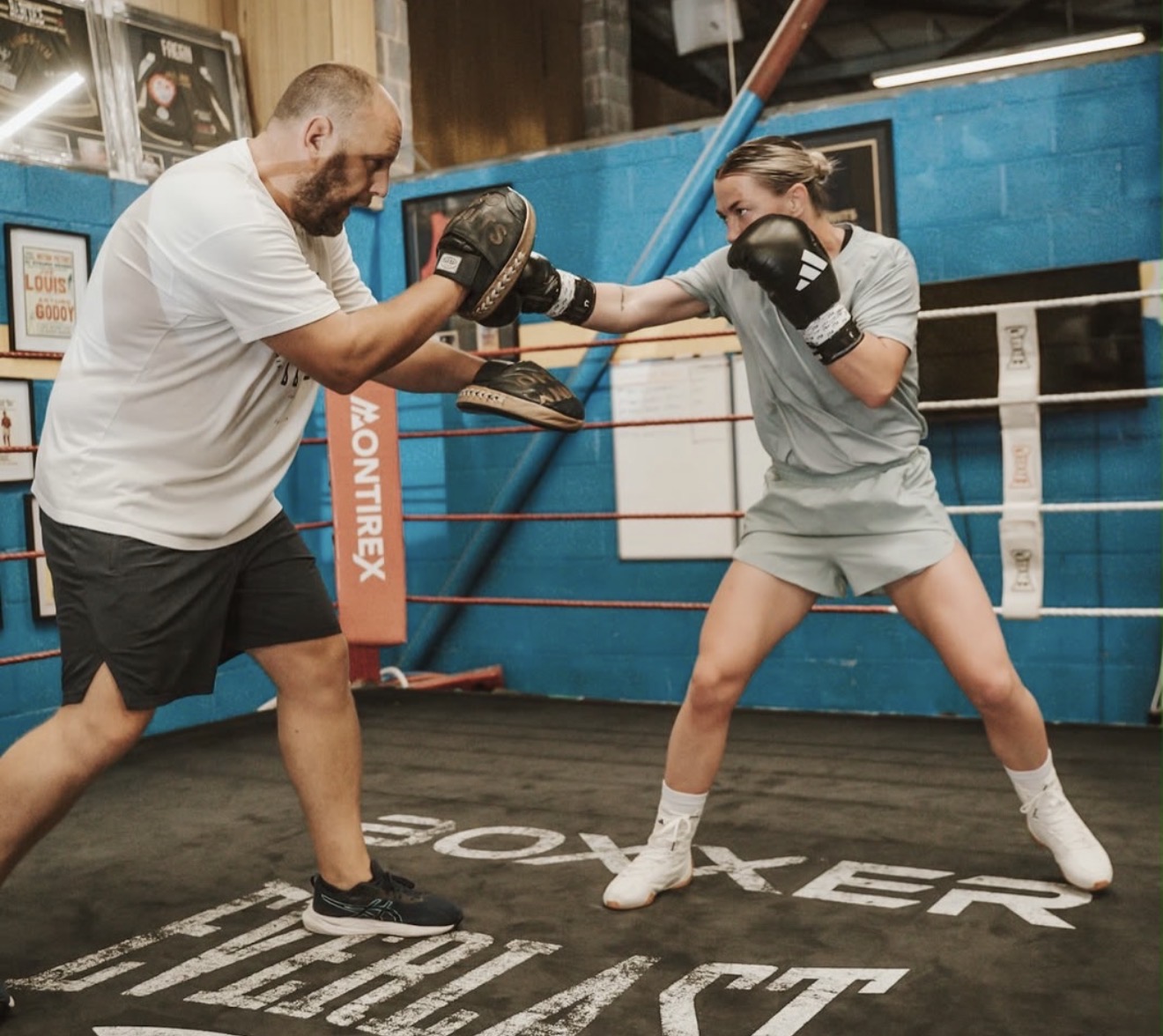
McCann reels off the damage almost casually: a broken orbital bone; hands broken multiple times; a leg fractured in three places; shoulder dislocations; damage to her elbow and sternum; two bulging discs in her back; a torn medial collateral ligament.
Ten years in mixed martial arts had left a record across her body.
“No one sees at all what it takes to get yourself to a fight,” she says. “It takes something from you.”
McCann compares fighting to the work of a musician repeatedly required to return to the most painful experience of their life, place it before an audience and wait for the reviews.
“The best albums come from the biggest heartbreak and the moments that are real,” she tells me. “Then they go on tour and have to consistently keep throwing their heart out there. They are finished and burnt out.
“Fighting’s the same, but it’s so much harsher on your body. And then when you go home, you’re in your mind.”
Mixed martial arts asks its athletes to combine several disciplines while opponents and audiences search constantly for weakness. A fighter might be brilliant at one element, adequate at two and painfully vulnerable in another. All of it is exposed in public.
As McCann’s profile grew, so did the scrutiny. A defeat wasn't simply a professional setback; it became content for strangers.
“When you give your heart and soul to that body of work - mine being the fight - and I’ve lost, the hate that comes with it…” she says, momentarily trailing away.
“The love was always there. But the hate came at levels that weren’t surmisable. I just thought: ‘What? I don’t do anything wrong.’
“I stand up for the people who aren’t benefited, the people who need the help. I work hard. I’m giving my best every day. I couldn’t fathom why people had to be the way they were.”
Time, therapy and hard-won self-knowledge have altered the relationship she has with public judgment.
“I think my vulnerability is one of my super strengths,” she says. “People are too scared to be who they are now because of all of that. I’m just like: ‘Do you know what? Your opinion of me doesn’t actually change my life.’
“I put my head on the pillow and I give every day my best. I’m good with that.
“But to get to that place, you have to break a few times sometimes.”
In July 2024, during a UFC fight in Manchester, McCann fractured her leg with the first kick of the contest. She completed the fight, but the recovery took six months.
During the camp that followed, she understood that her body could no longer withstand everything MMA required of it.
There were still five fights remaining on her contract - fights that could have brought life-changing money. But continuing simply to collect it was never going to be enough.
“I’ve never done anything just to do it,” she says. “If I’m doing business, if I’m partying, if it’s a family event, if I’m fighting - it’s to have the best experience I can.
“I’m not doing it for money.”
In March 2025, at London’s O2 Arena, McCann left her gloves in the cage and retired from mixed martial arts. Friends and family were there. She said what she needed to say and walked away knowing that she had given the sport everything available to her.
There was sadness, but no identity crisis.
“I carried the weight of the world on my shoulders,” she says. “People don’t come from where I’m from and manage to do what I’ve done - and change the landscape in the way we’ve done it.
“I wanted little girls and little boys to see that you can be from anything and you can do anything.
“But I was finished with it. It took too much from me. The heaviness started to outweigh the positive. I’m such a positive person, but I’d been walking in the shadows for such a long time.”
McCann went to Florence with her partner, Fran. They were eating gelato on a bridge when her manager telephoned.
“Darling, you’re boxing.”
McCann told him she wasn't.
He told her that by July she would have itchy knuckles. She'd helped change what was possible for girls and boys in MMA, he said. Now there was another sport waiting.
Fran’s first concern was more immediate.
“How the fuck are you going to tell your mum and your nana?”
It was a reasonable question. McCann’s family had watched the injuries accumulate. Her mum had spent years seeing every reason she'd once feared boxing made physical.
Nevertheless, Molly McCann became a professional boxer.
There's a dispiriting habit in the way women’s lives are discussed publicly. Potential is treated as something belonging primarily to the young. By 36, a female athlete is expected to be considering the careful management of decline.
McCann refuses the premise.
“I could have walked away and become a pundit,” she says. “I could have done anything. But that’s not a real story. I haven’t fulfilled my potential.
“I walked away from MMA because my body couldn’t handle it - because I couldn’t be the best. I am cut from this cloth where you can set it on fire and it’s not going out.”
Boxing isn't the easier option. McCann is emphatic about that. But it allows her body to work differently. She's training with a scientific understanding unavailable to her younger self and says she is fitter than at any previous point in her life.
For the first time in a decade, she can sit without pain dictating the position.
It has brought with it something more surprising than physical relief: possibility.
“My life’s just getting started again,” she says.
“The price of greatness is this. It is the pressure. It is holding it all together. It is being in pain and trying to find your way and navigating through that, so it doesn’t literally disable your life.
“It is managing your physical and your emotions - your mind, body, soul and spirit - and aligning them.
“I wouldn’t be ready for this if I hadn’t been through all that.”
Listening to her, it is difficult not to feel your own excuses being quietly dismantled.
“I’m 55 and you’ve just given me a new impetus,” I tell her.
McCann doesn't offer a platitude in return. She talks about watching people in their sixties and seventies competing in fitness events, refusing the arbitrary limits other people place around age and ambition.
“Why does everyone have to take it away from you?” she asks. “I’m sick of people not being able to just be. Everyone’s got an opinion on you. Everyone’s putting you down.
“A bit of love and a bit of positivity goes a long fucking way.”
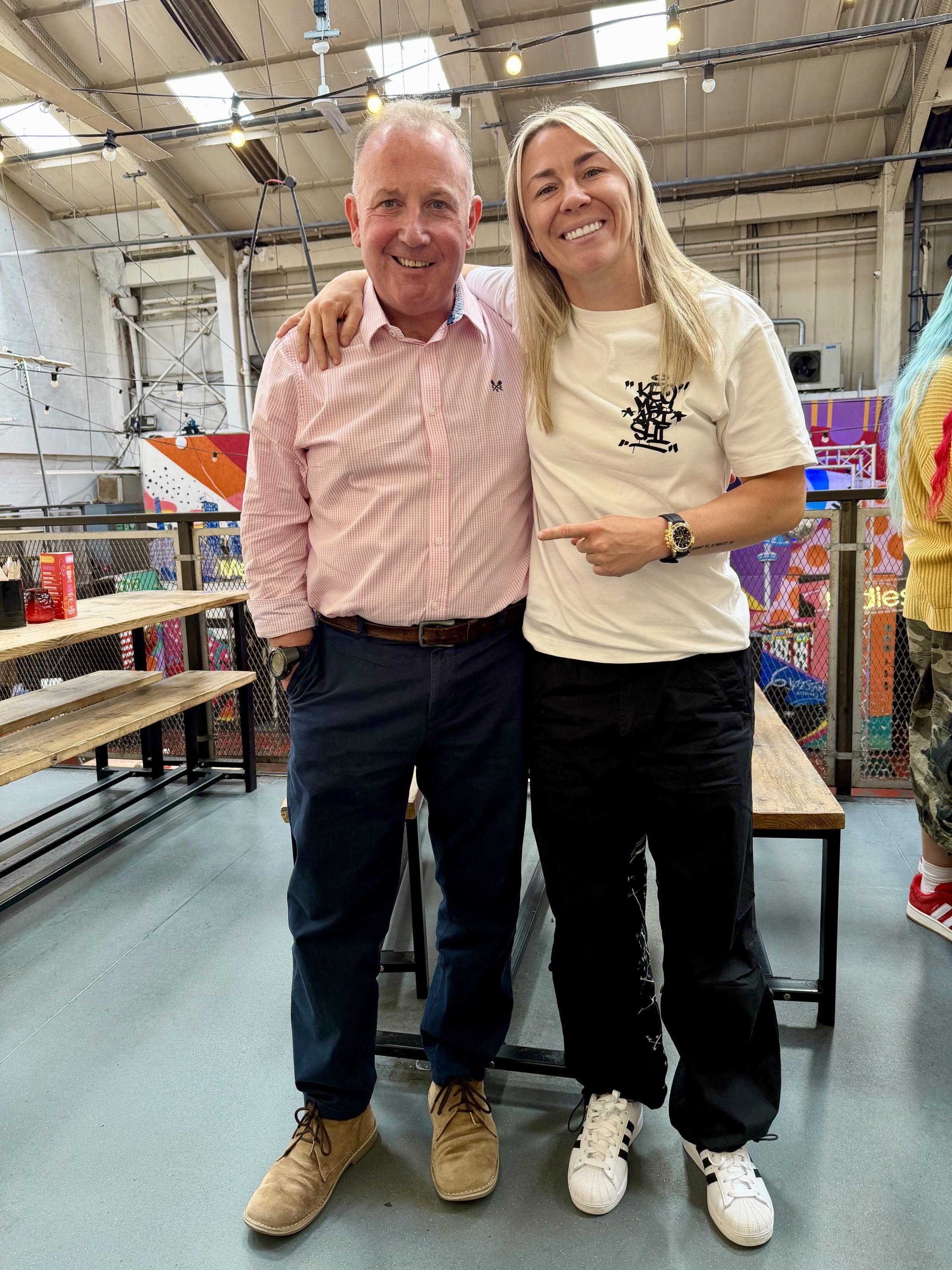
McCann doesn't pretend that determination solves everything.
She knows the particular exhaustion of poverty: worrying about whether there is food at home, whether the heating is on, whether the street outside is safe, whether the money exists to reach the next training session.
She also knows that resilience isn't an inexhaustible personal resource. Sometimes, she says, the achievement is simply getting out of bed.
“Having a wash, brushing your teeth and going to the shop - sometimes that’s a win for someone.
“Everyone’s Everest is different. You put one step in front of the other and you keep trying, and you keep trying, and you keep trying.”
Those words are easily flattened into motivational content. Spoken by McCann, they mean something more complicated. They come from someone who understands that the ability to keep going is shaped by the people and structures around us.
McCann credits grassroots coaches who gave their time, often at a cost to their own families. She credits the people who fed her, drove her, taught her and refused to let a lack of money become the final verdict on her life.
“Through my own determination - and through the help of my family, my friends and grassroots coaching - I'm able to be me now.”
The will matters. But somebody must also open the door.
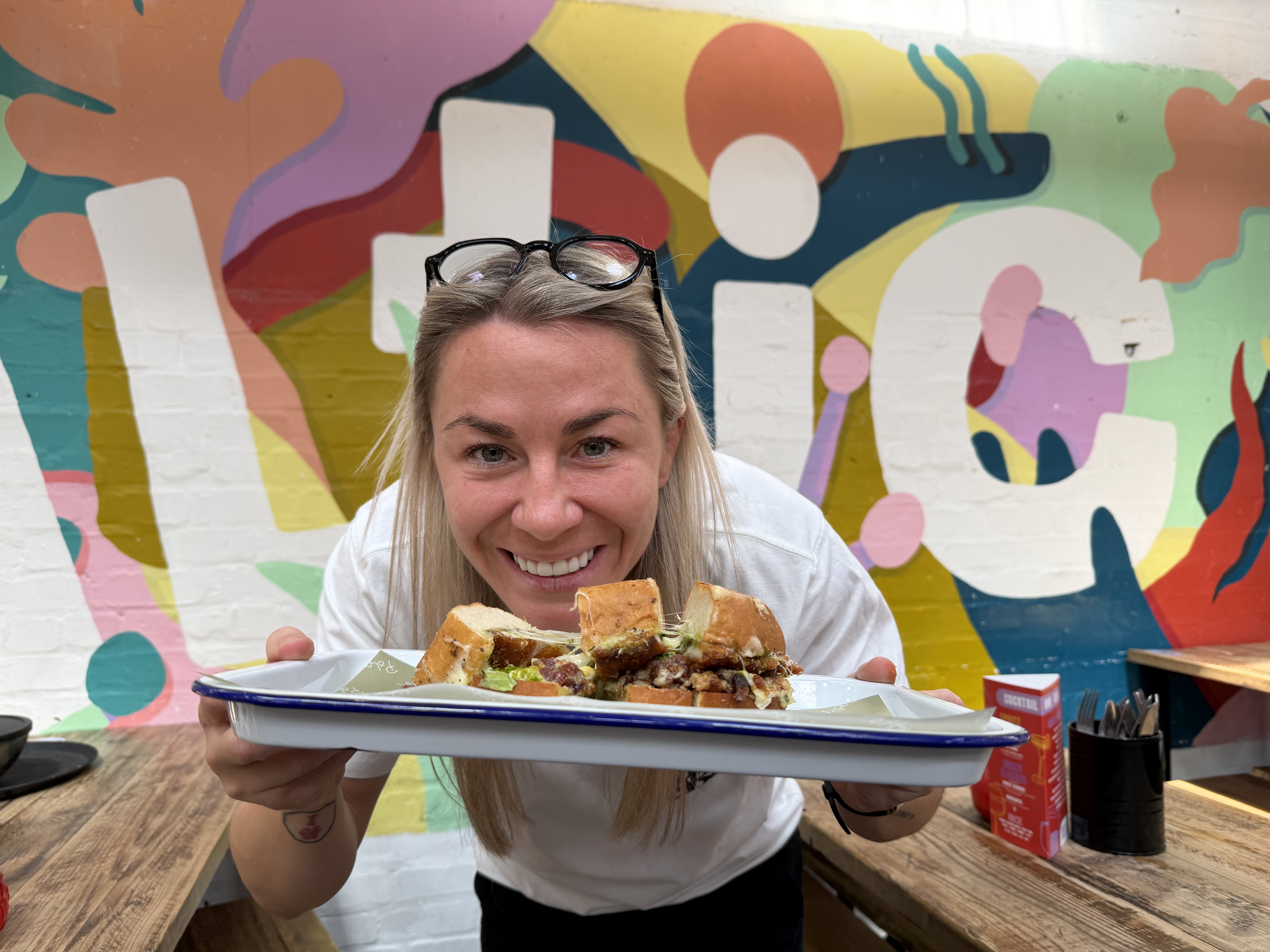
Polpetta, the Italian-American food business McCann founded with Joel McCarthy, initially appears to belong to a different part of her life.
But it doesn't.
The food is deliberately generous and designed to be passed around. The act of sharing forces people to lift their eyes from their phones, talk and take notice of each other.
Every few months, Polpetta hosts Subs and Dubs, pairing food with sets from different DJs. McCann and McGuire are also involved in a coffee shop and bakery, with a Sunday run club bringing people together for movement, coffee and conversation.
The ambition is to offer something excellent without making participation financially impossible.
“It’s important that there are safe spaces and places where it’s not going to cost you your fucking mortgage to bring the family,” McCann says.
“I still know things are pricey, but it’s the best ingredients we can get, made with love - and it tastes fucking fantastic as well.”
This isn't an athlete lending her name to a business and disappearing. When she's outside camp, McCann joins the run and sits with people afterwards. When boxing takes her away, McGuire keeps it going.
“We all pull in and give,” she says.
The kid who remembers a family with empty pockets making one another feel like millionaires has grown into a woman building places where people can sit together, eat and belong.
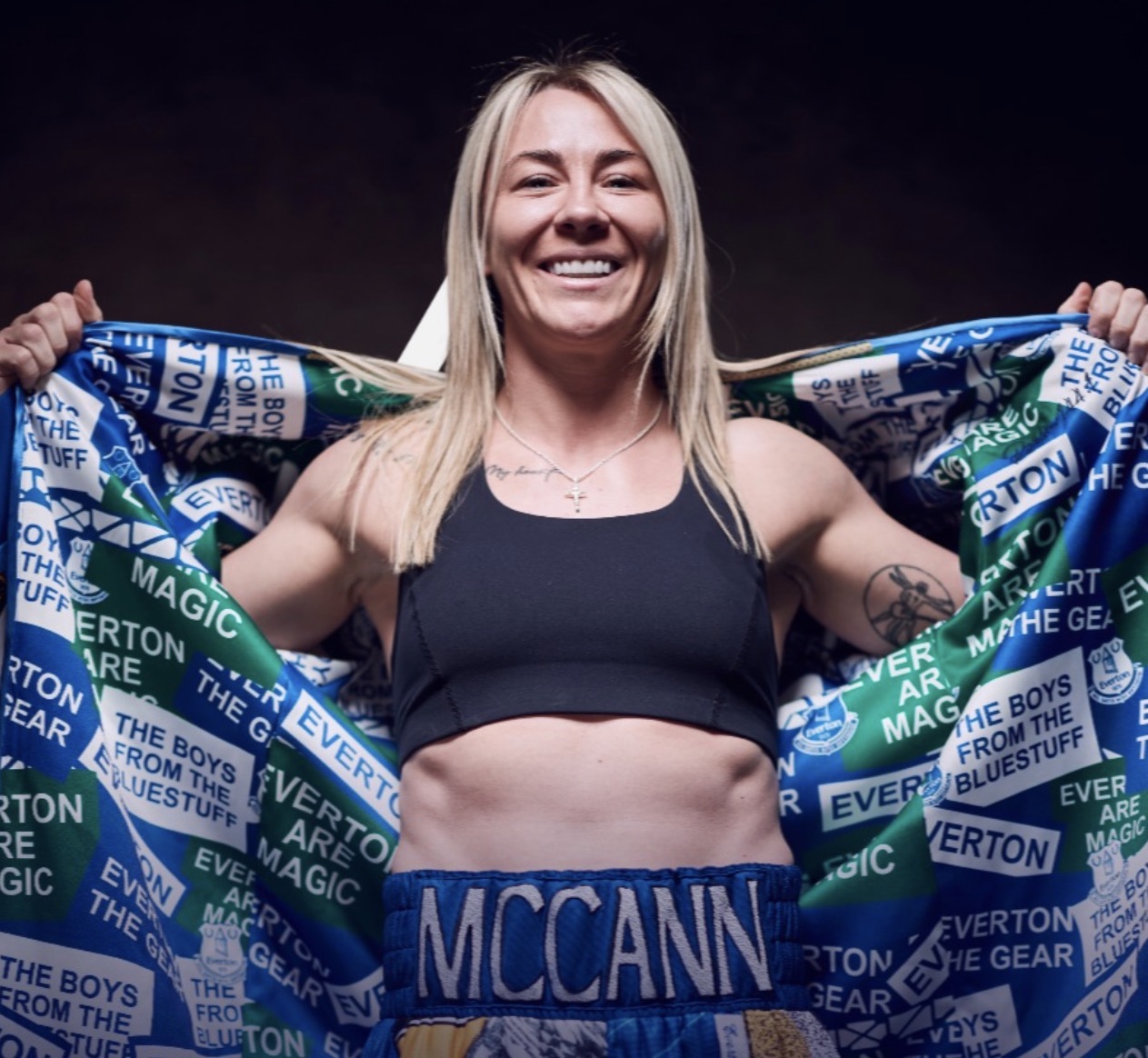
On 5 September, Katie Taylor will bring her extraordinary career to a close at Croke Park. Taylor faces the undefeated Flora Pili in front of an anticipated 80,000 spectators, with McCann - Taylor’s cousin - meeting Yorkshire’s Sylwia Doligala on the undercard.
For McCann, it will be the fifth fight of a professional boxing career that remains unbeaten. Yet she's already thinking beyond records and titles.
“When Katie retires, someone else has got to carry the baton for equality in sport,” she says.
“Not just for women, but for everything: care for fighters, pay for fighters, the longevity and what comes after fighting.
“I think that’s what I’ll be getting ready to take on.”
McCann understands what her visibility means to girls who have been told that they're too loud, too ambitious, too different or simply too much.
Her advice to them is characteristically direct.
“Don’t take no as an answer - and do things in the correct manner. Sometimes you’re going to have to bite your lip, and sometimes you’re going to have to speak louder than what’s expected of you.
“Stick to integrity. Don’t sell out. And just don’t stop.”
The public image of Molly McCann has often been built from noise: walkout music, capacity crowds, spinning elbows, celebrations and the uninhibited roar following a great victory.
But the woman sitting in the Baltic is way more interesting than the image.
She's funny, profane, complicated and candid about the work still taking place beyond public view. She's been wounded without becoming cynical; ambitious without forgetting who made ambition possible. She speaks about greatness, but also about brushing your teeth when getting out of bed has taken everything you have.
Molly McCann is still fighting.
For titles, definitely. For the chance to discover the limit of her own ability. For proper pay and care for the athletes who will come after her. For girls kept outside the gym and children growing up in homes where love is abundant but almost everything else is uncertain.
But perhaps she is fighting, finally, for a life that's no longer governed only by the need to survive.
“I’ve been through that much fucking shit,” she says.
“My life’s just getting started again.”
And you believe her.
Big Thank You to Molly for imagery





