



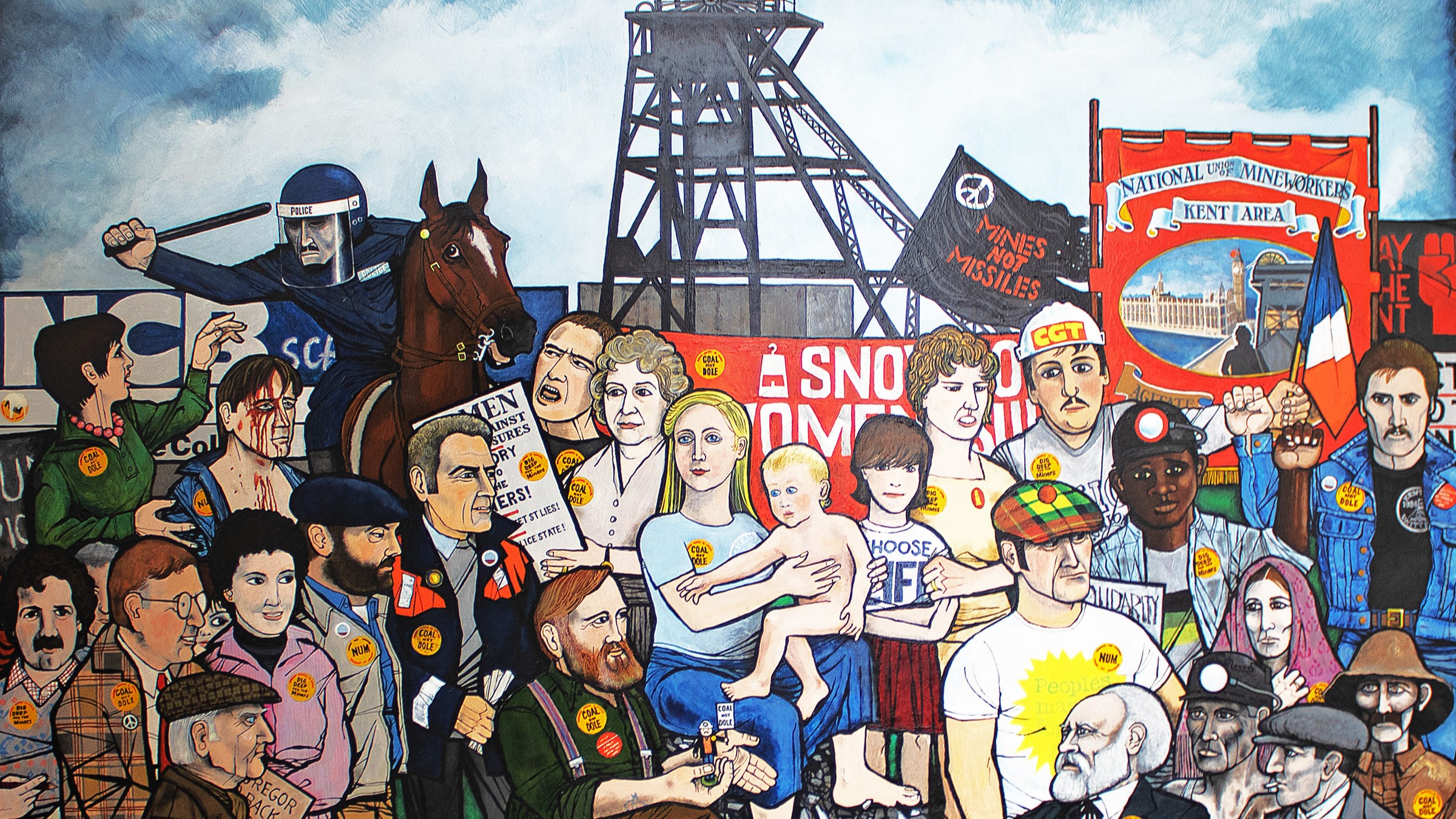
One hundred years after the 1926 General Strike shook Britain, a new exhibition in Manchester asks a question that still resonates across Northern communities shaped by pits, mills, docks and factories: what makes ordinary people decide they have no choice but to withdraw their labour?
In the North of England, solidarity is not an abstract idea. It’s written into the landscape.
You see it in the back-to-back terraces of the Durham Coalfield, where generations of miners once headed underground every day before dawn. You see it in the former pit villages scattered across South Yorkshire. You see it along the docks inLiverpool and Hull, where dockworkers organised to defend wages and conditions.
And it's ever-present in the mill towns of Oldham, Bolton and Burnley - places where textile workers helped shape Britain’s early trade union movement.
For generations, work here was collective. And when that work came under threat, resistance often became collective too.
That long Northern story - the moment when working people decide enough is enough - is now the focus of a major new exhibition at the People’s History Museum.
Opening later this month, On The Line marks the centenary of the 1926 General Strike - one of the most dramatic confrontations between labour and power in British history.
For nine days in May 1926, Britain effectively stopped. Around three million workers withdrew their labour in solidarity with locked-out miners, halting transport, printing presses, shipping and heavy industry across the country.
The strike itself was brief. But the shockwaves it sent through working-class communities - particularly in the industrial North - have lasted generations.
To understand the scale of the General Strike, you have to picture Northern England as it was a century ago.
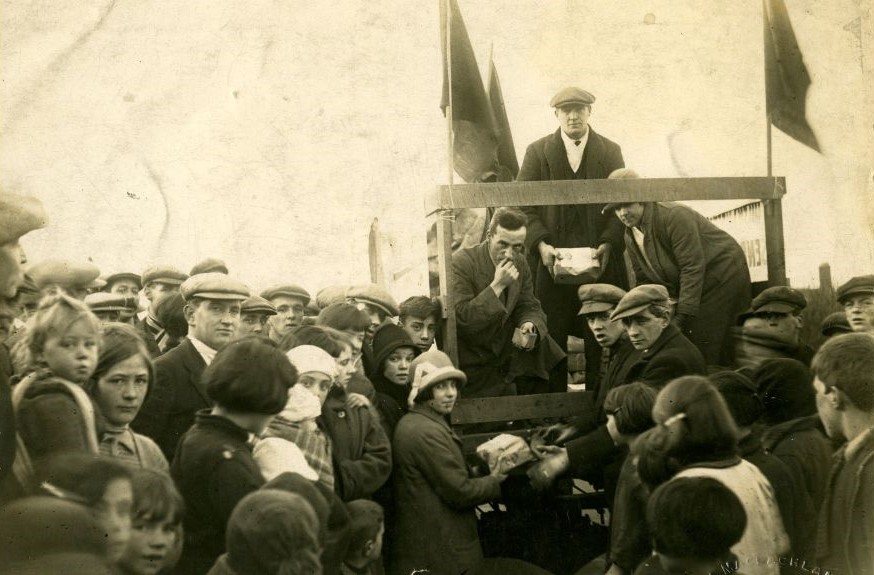
Coal powered Britain’s economy, and the North supplied most of it. Mining communities stretched from Durham through Yorkshire and into Lancashire. When miners refused wage cuts and longer hours, they weren’t simply defending jobs. They were defending entire communities.
Railway workers halted trains linking Northern cities. Printers stopped the presses. Dockers downed tools along the Mersey and Humber. Engineers and transport workers joined them.
For a brief moment, the machinery of the country ground to a halt.
But the deeper story unfolded in the communities left behind. Across colliery villages, local networks mobilised to support families suddenly without wages. Now familiar Soup kitchens appeared in mining settlements. Neighbours organised food distribution and collections.
The act of striking became not just a workplace decision but a collective act of survival.

Many of the themes explored in On The Line resonate particularly strongly in the North because the region lived through some of Britain’s most defining industrial conflicts.
One of the most enduring was in the UK miners' strike of 1984/85. Towns across Yorkshire and County Durham joined others across the UK, to mobilise in a bid to protect the survival of entire ways of life.
Villages from Barnsley to Chester-le-Street became organising centres. Welfare halls turned into kitchens and meeting rooms. Community groups coordinated pickets and support networks across Britain.
In June 1984, the confrontation at the Battle of Orgreave - a clash between police and pickets outside a South Yorkshire coking plant - remains one of the most controversial moments in modern labour history.
For many Northern communities, Orgreave isn't a historical event. It is a lived memory.

The People’s History Museum holds one of the world’s most remarkable collections of labour movement artefacts - particularly its extraordinarily beautiful archive of trade union banners.
These enormous painted fabrics once travelled from pit villages and factory towns to demonstrations in cities like Manchester, Leeds and Sheffield.
They depict miners with lamps, textile workers at looms, dockers on the river. They carry mottos of unity and justice.
The exhibition includes banners stretching back to the London Dock Strike, alongside objects from later industrial disputes.
For many of our Working Class ancestors it's fair to say these banners weren't decoration - they were declarations of identity.
One of the exhibition’s most powerful threads explores the role women played in sustaining industrial disputes.
During the miners’ strike of 1984/85, grassroots groups formed across the country under the banner of Women Against Pit Closures.
In Northern mining communities they organised fundraising events, food distribution and political rallies. What began as support groups quickly evolved into a nationwide movement.
Women travelled across Britain speaking at meetings and demonstrations, reshaping the politics of the strike and redefining their role in the labour movement - and society.
In many communities, they were the lifeline that kept families afloat.

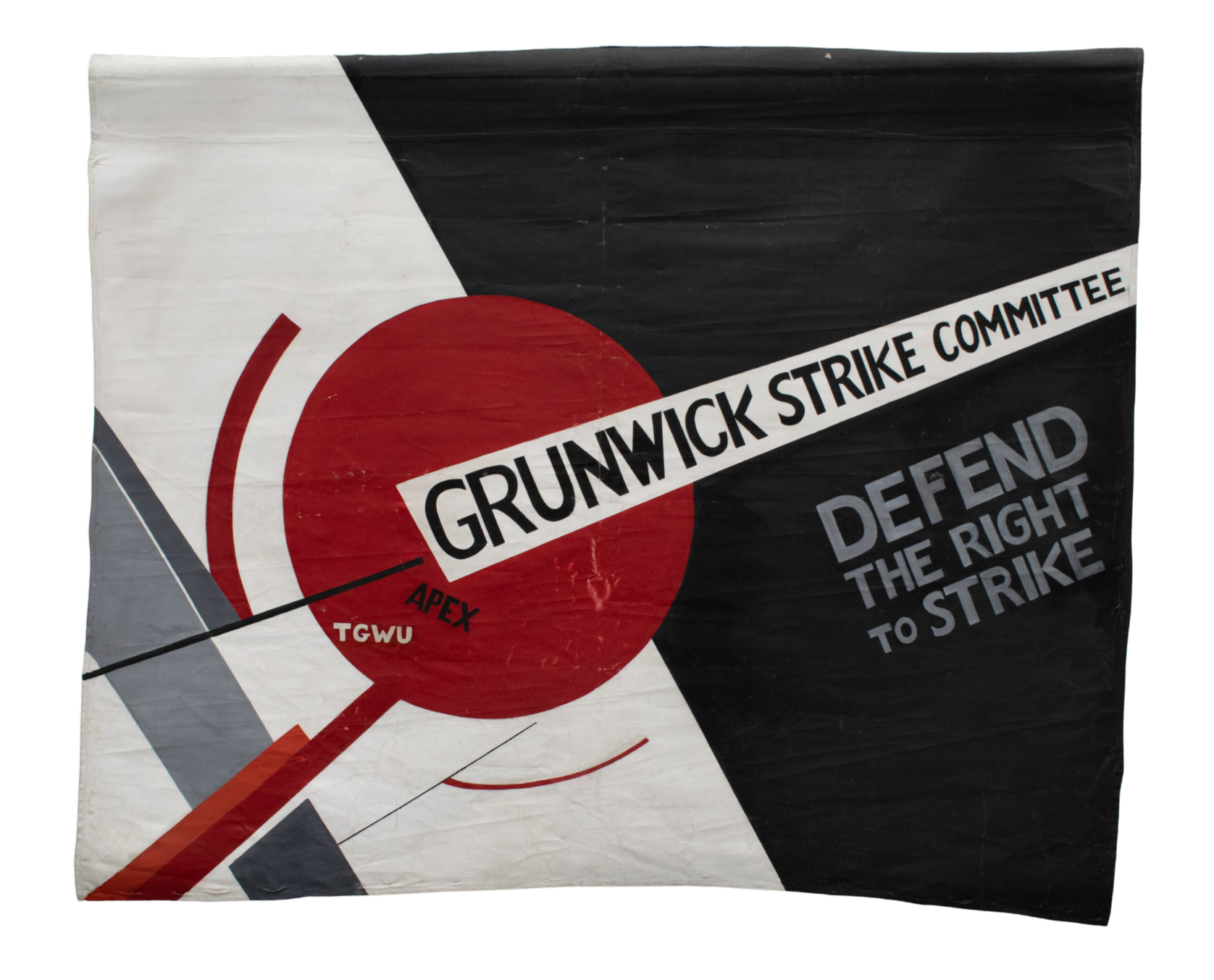
Another figure whose story runs through the exhibition is Jayaben Desai, leader of the Grunwick dispute.
Although the dispute took place in London, workers from across Britain - including many from our Northern industrial towns - travelled south to support the predominantly migrant workforce fighting for union recognition.
The strike became one of the largest mobilisations in labour movement history, reshaping debates around race, migration and workers’ rights.
The exhibition also reaches into the present.
Among the newest additions to the museum’s collection is a robot costume worn by workers campaigning to unionise at Amazon’s Coventry warehouse - a piece of protest theatre symbolising how employees felt treated like machines in algorithm-driven workplaces.
The industries may have changed. Warehouses and logistics hubs have replaced coal pits and textile mills. But the underlying tensions remain familiar - questions of pay, dignity, security and power.
And many of those debates are once again playing out across the towns and cities on our patch.

“Strikes rarely appear overnight. They build slowly - pressure gathering in workplaces and communities - until eventually something shifts.”
1889 - London Dock Strike
Dockworkers organise for fair pay, establishing new forms of union power.
1926 - 1926 General Strike
Three million workers walk out in solidarity with miners.
1968 - Ford Dagenham sewing machinists strike
Women machinists demand equal pay, helping reshape workplace equality.
1976–78 - Grunwick dispute
A migrant workforce challenges employers and mobilises national solidarity.
1984–85 - UK miners' strike
Mining communities across the North fight pit closures.
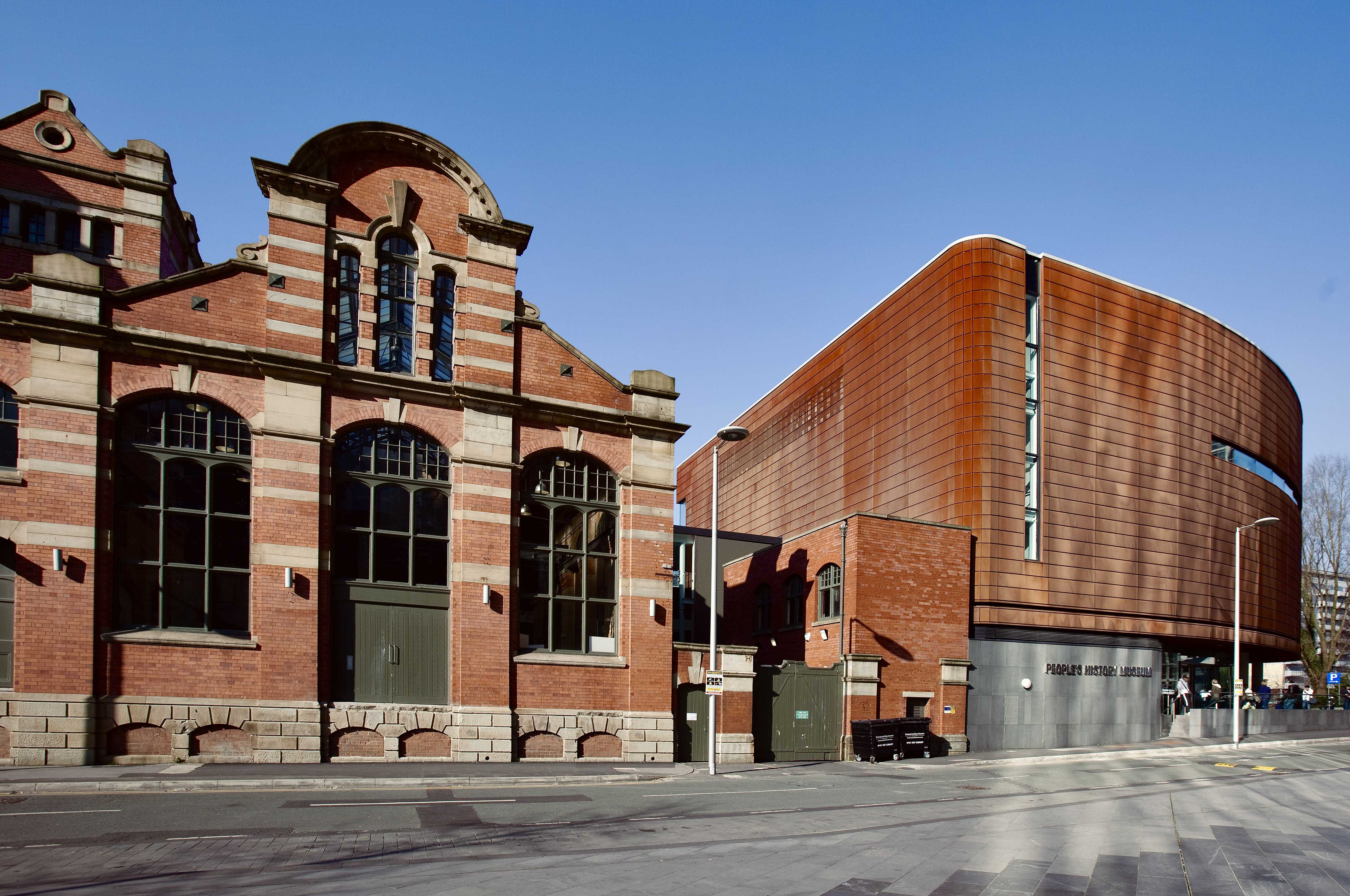
On The Line
People’s History Museum. 21 March – 2 November 2026
Marking the centenary of the General Strike, the exhibition explores a century of labour struggles through photography, banners, artworks and objects from picket lines across Britain.
Museum entry is free, with donations encouraged.
It is no accident that this story is being told in Manchester.
The city has long stood at the centre of Britain’s democratic and labour movements. Just a short walk from the museum lies the site of the Peterloo Massacre, where tens of thousands gathered to demand political representation in 1819. The violence that followed became one of the defining moments in Britain’s fight for democratic rights.
Throughout the nineteenth and twentieth centuries, Manchester continued to play a pivotal role in campaigns for suffrage, workers’ rights and social reform.
Today the People’s History Museum carries that legacy forward - preserving the banners, photographs and artefacts of collective struggle while asking visitors to consider what those histories mean now.
A hundred years after the General Strike, the exhibition reminds us that democracy has rarely been a quiet process.
It is something communities argue over, organise for - and sometimes fight for.
And in the North of England, those struggles have always been part of the story.
Header Image: Detail from 'The Past is Another Country' by David Rumsey, Oil on Board, 1984-1985 Miner's Strike. Copyright David Rumsey Estate





