



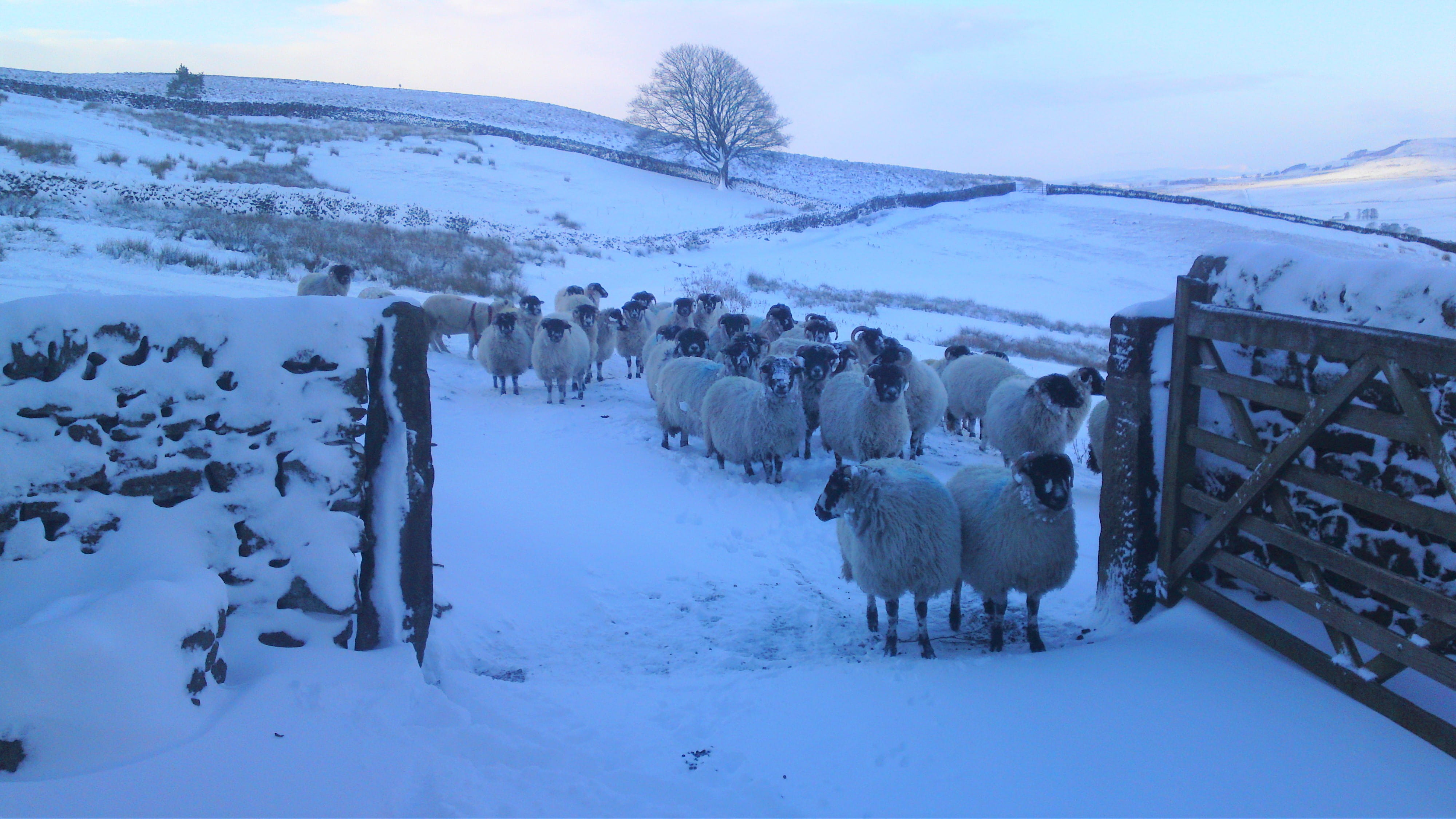
The picturesque postcards of the Lake District and the Yorkshire Dales that we cherish mask a brutal economic reality. As of January 2026 the northern upland farming sector is not merely 'in transition'; it is in a state of managed collapse. A lethal combination of slashed subsidies, predatory land-use shifts, and a controversial tax overhaul has pushed the families who manage 70% of the UK’s most iconic landscapes to a breaking point.
The time for 'consultation' appears to be over. Without immediate, targeted intervention, farming families believe 2026 will be remembered as the year Britain’s hill farming heritage was permanently extinguished.
Many upland farm businesses currently have the toes of their wellies over a fiscal cliff. Managing a subsidy black hole for decades, upland farming has been prevented from flat-lining by the Basic Payment Scheme (BPS). These payments were not 'handouts'; they were the essential bridge that allowed food production on land where nature makes profitability impossible. In 2026, we have seen these payments cut by more than 50%, with a total phase-out set for 2027.
Tom Bradshaw, President of the National Farmers' Union (NFU), has been blunt about the fallout: "Their incomes have been slashed... they’re being crippled from all angles. Without [fairer treatment], the country’s most cherished landscapes will look unrecognisable."
The replacement Environmental Land Management (ELM) schemes were promised as a 'Green Brexit' win. Instead, they have become a bureaucratic nightmare. The Sustainable Farming Incentive (SFI) remains skewed toward lowland arable farms, leaving northern hill farmers - who obviously cannot transfer from sheep to cereals - scrambling for crumbs.
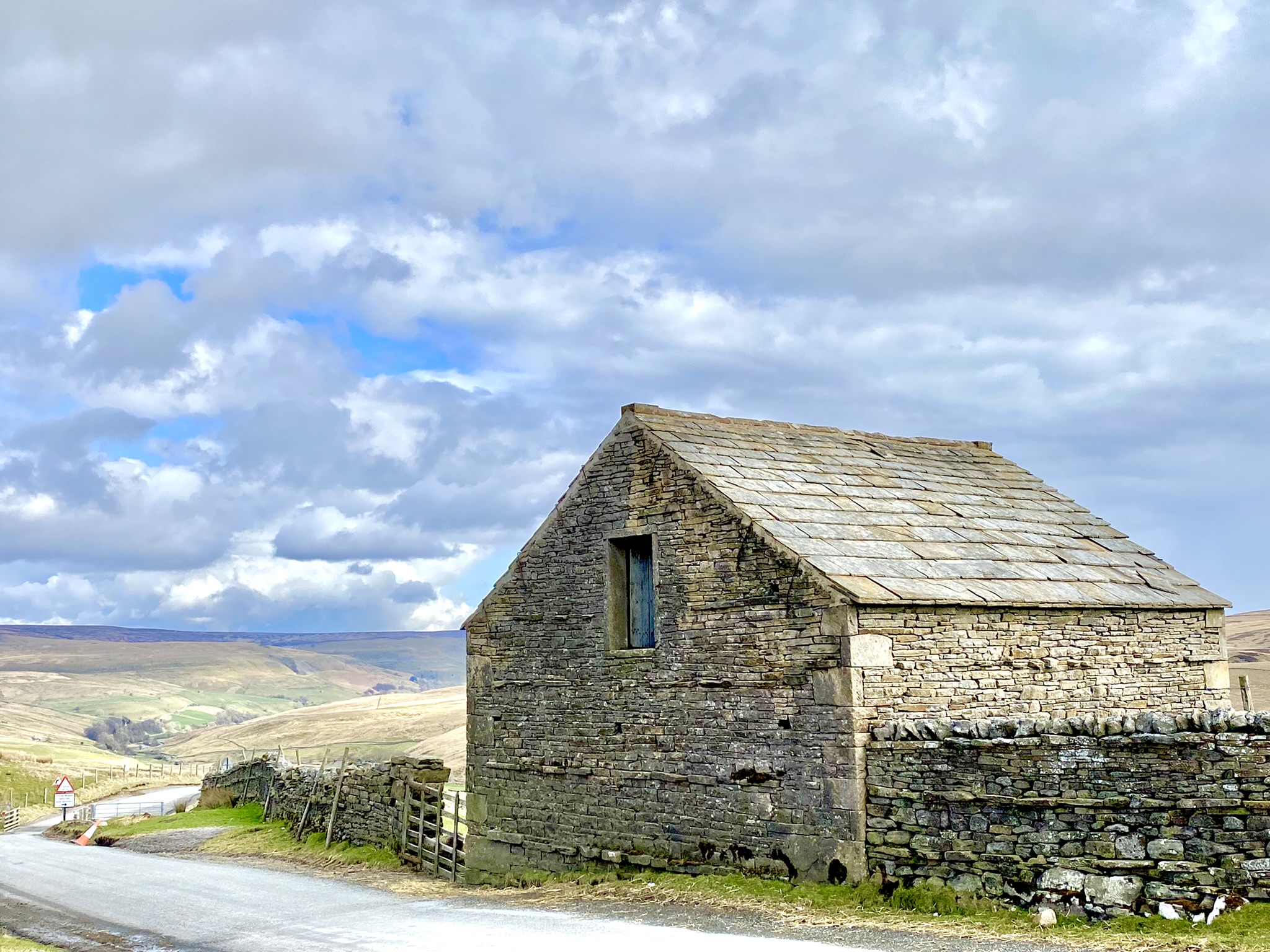
And we clearly also need to talk about the Death of Succession: The most significant blow in 2026 is the implementation of new Agricultural Property Relief (APR) limits. Effective April 2026, many family farms previously exempt from inheritance tax now face bills that could force the sale of land. Although government continues to 'tinker' with the numbers; the 'Family Farm Tax' is a real thing...
While Minister for Food Security Daniel Zeichner defends the policy as a way to fund public services, claiming it targets 'wealthy landowners,' the reality on the ground in places like Northumberland and Cumbria is different. Many upland farms are 'asset rich but cash poor.' Others are simply Tenant Farmers, who like Jeb from the Upper Wharfedale/Wensleydale watershed insist: "I'd be better off driving a van for Tesco."
Trying to keep up with him as he marches toward his flock of 'in lamb' ewes with a load of fodder across his shoulders, presses home how hard these people work. We're 550 metres above sea level on Fleet Moss and the Northerly wind is biting. "I can't take a day off if my nose runs" he tells me. "There's only me and my wife. I haven't got the resources to pay for help."
He goes to on to explain that the man or woman on a quad bike, with dog following - that the visiting public love to see working on the fells - won't be 'on show' for much longer. "Do you know how much that bike cost?" He thumbs towards his Honda Foreman - a piece of kit which represents the beating heart of most upland operations. "Do you know how much these tyres were?" Jeb is clearly frustrated by his situation.
George Dunn, Chief Executive of the Tenant Farmers Association (TFA), warns that current policy risks the 'fragmentation' of the very social fabric that maintains the countryside. When a farm is sold to pay a tax bill, it isn't bought by another young farmer; it is bought by corporations for carbon offsetting or 'greenwashing' projects.
There is a palpable tension between the government’s net-zero targets and the survival of the hill farmer. A growing environmental hostility is unjustly affecting small farming businesses. Staged as 'Rewilding vs. Food Security', in 2026, the push for peatland restoration and large-scale tree-planting looks to those 'on the ground' that it is turning from a partnership into a hostile takeover.
Mat Cole, NFU South Uplands Group Chair, argues that the farmer is being viewed as an obstacle rather than an asset: "These family-run businesses are at the heart of vibrant rural communities...it is vital [policy] fully recognizes the complexities and challenges of farming in these landscapes."
The 2025 drought and the erratic winter so far of 2026 have further reinforced that the climate is changing, but one reality of removing the livestock that graze the hills, is the invetitable 'scrubbing over' that follows - which increases wildfire risks and the destruction of the biodiversity that current policies are committed to protect.
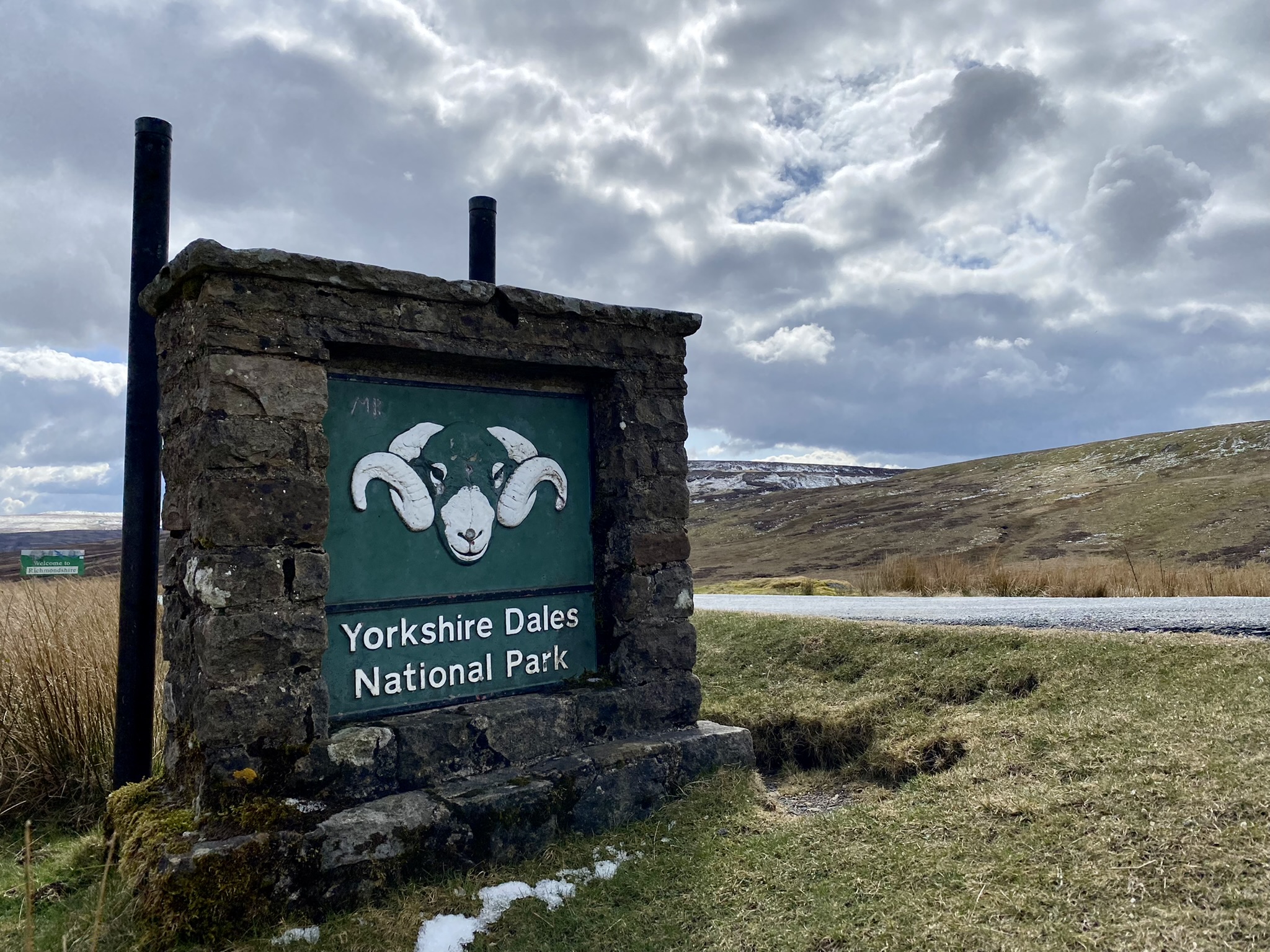
If the government’s stated goal of 'Food Security' is to be anything more than a slogan, our rural communities believe the following actions to be non-negotiable for 2026:
An Upland Uplift: The Defra budget must be ring-fenced to ensure that ELM payments for 'Less Favoured Areas' (LFAs) match or exceed the old BPS rates.
Tenancy Protections: New legislation is required to prevent landlords from evicting food-producing tenants in favor of corporate tree-planting schemes.
APR Reform: The £2.5 million threshold must be indexed to land inflation to prevent genuine family farms from being liquidated upon the death of a parent.
Environment Secretary Emma Reynolds claimed at last week's Oxford Farming Conference that she wants to "talk directly to upland communities." But most farmer's will tell you: 'Talking is no longer enough. The northern hills are not a theme park; they are a workplace.'
And the NFU’s Tom Bradshaw is unequivocal: "A united voice can help deliver a dynamic, resilient domestic food system... Together, we are stronger."
But that strength is failing. If the government does not act by the 2026 Autumn Budget, the 'Backbone of England' looks like it will finally snap.





