



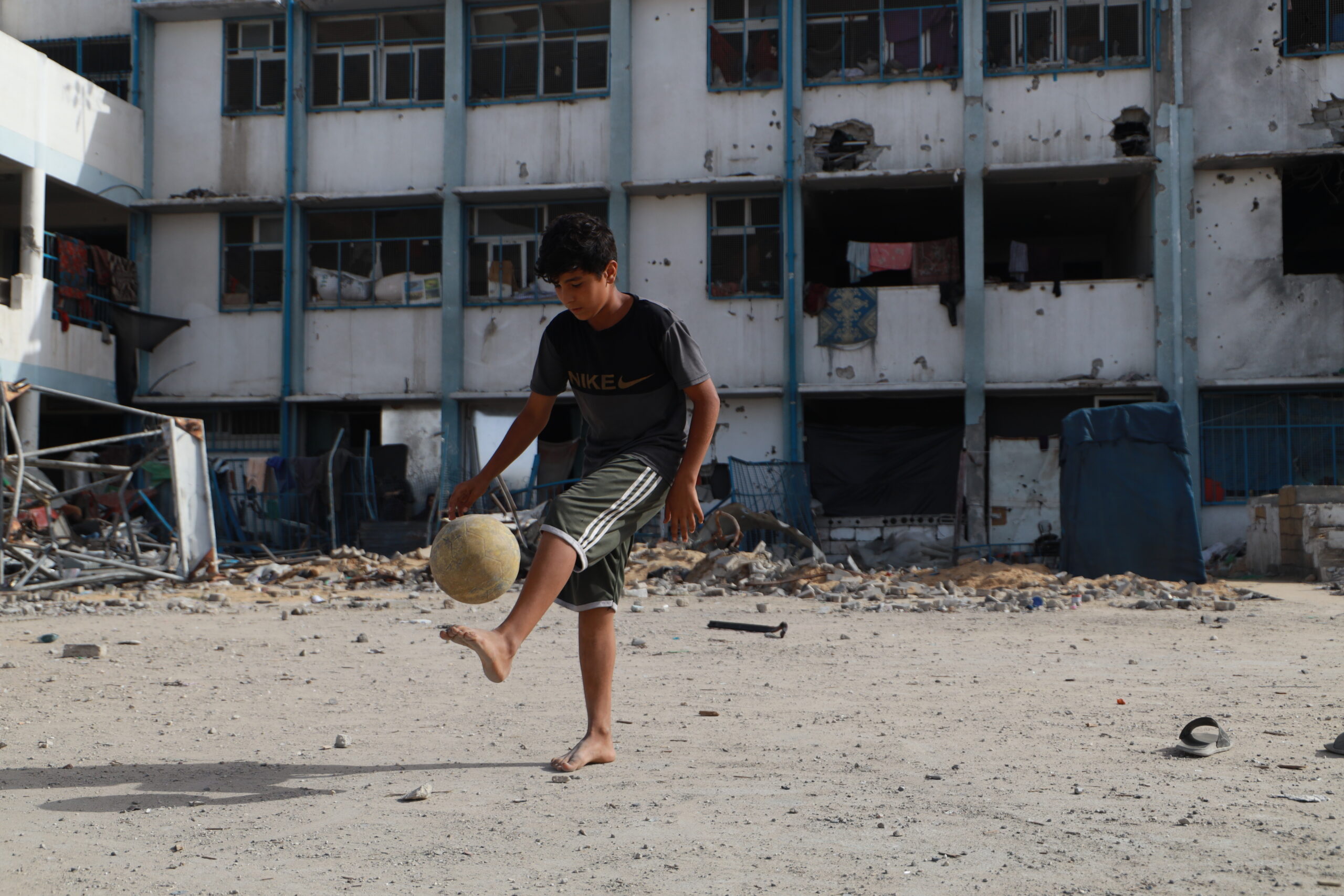
A boy kicks a football across a dusty courtyard. Behind him, the walls of an apartment block are scarred and broken, windows missing, the marks of conflict impossible to ignore. Yet the boy plays on - focused, determined, absorbed in the rhythm of the game.
It is a moment of ordinary life. And it is exactly the kind of moment Palestinian photographer Fadi A. Thabet wants the world to see.
This spring, East Street Arts in Leeds will host Lens on Gaza: The Sun and Moon Still Rise, a major touring photography exhibition that offers an intimate, deeply human portrait of life in Gaza. Opening on 17 April and running until 9 May 2026, the exhibition brings together a powerful body of work documenting everyday life, resilience and community through the eyes of a photographer who lives and works there.
Presented in partnership with Bethlehem Cultural Festival and Leeds Palestinian Film Festival, the exhibition is both personal testimony and quiet act of resistance - a visual narrative that challenges the narrow ways Gaza is often represented.
“This work is about humanity,” Thabet says. “It is about the families, children and communities who continue to live, create and hope in Gaza.”
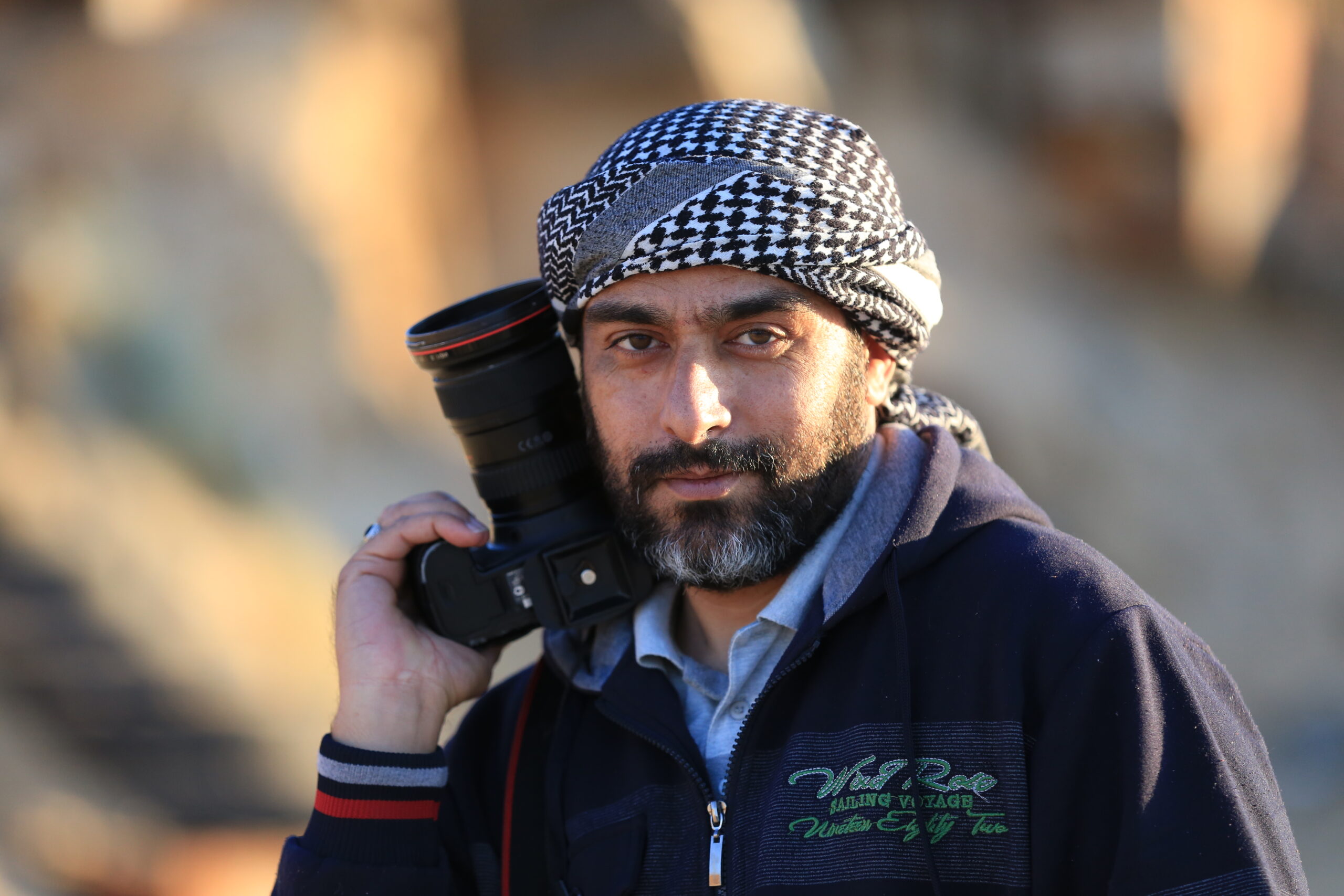
Born in 1978 in the central Gaza Strip, Thabet is not only a photographer but also a human rights activist and art education teacher. His practice is guided by a simple but urgent belief: that art must respond to the realities people face.
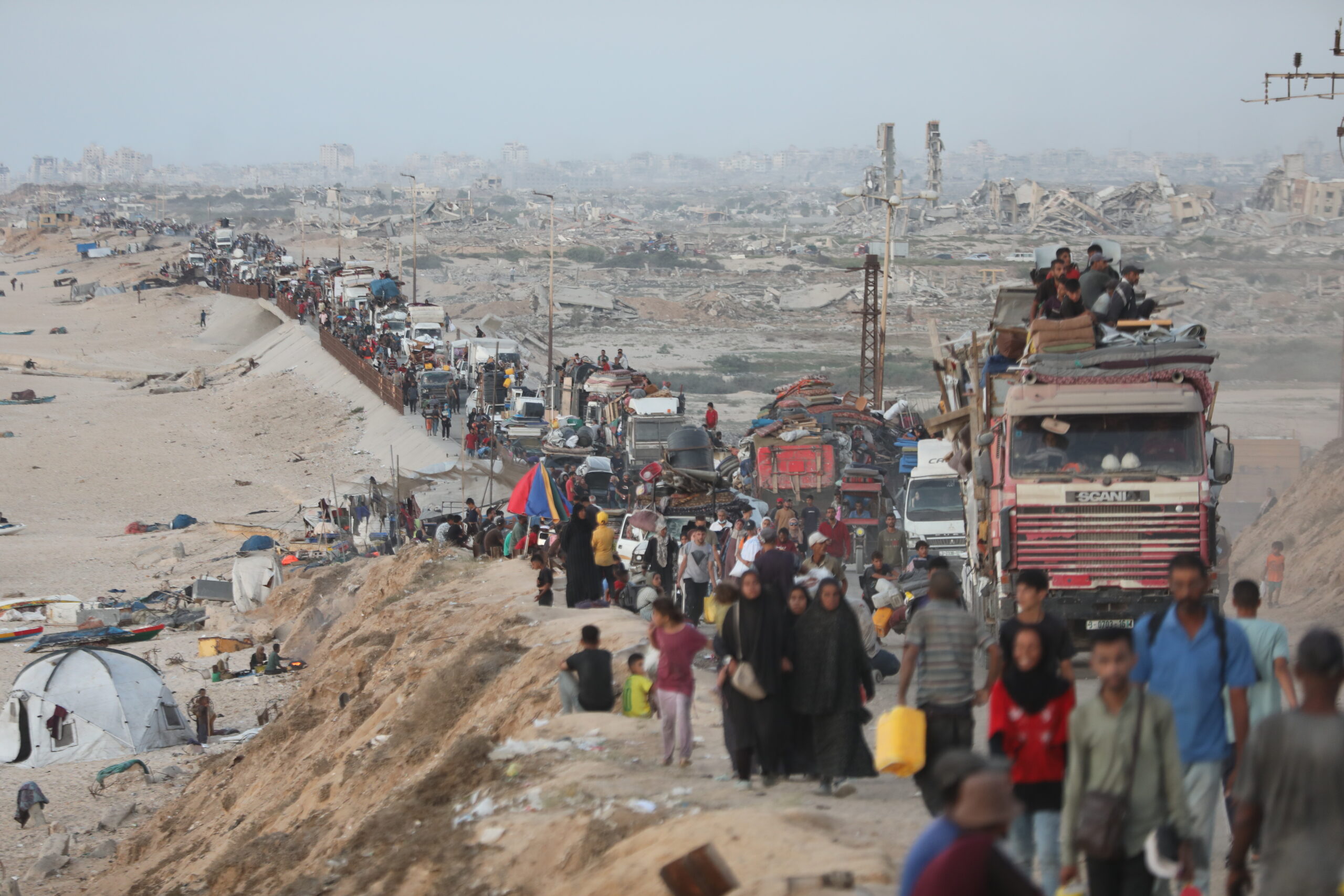
In his photographs, daily life unfolds in fragments - children playing, neighbours talking, quiet moments of care and connection. These scenes exist alongside the visible traces of destruction, but they refuse to be defined by them. Instead, Thabet’s work insists on something deeper: dignity, endurance and the persistence of ordinary life.
“Photography allows us to witness,” he says. “But it also allows us to care. When people see these images, they are seeing real lives, real families and real stories.”
For Thabet, the camera is not only a tool of documentation but a way of building understanding. His photographs invite viewers to look more slowly and more closely, to see Gaza not as an abstract political crisis but as a place full of individuals whose lives are complex, creative and ongoing.
But the impact of his work extends far beyond photography.
Alongside his artistic practice, Thabet works with children who have experienced war and displacement, leading art workshops and creative projects that help young people process trauma and reclaim a sense of possibility.
“Creative expression gives children a voice,” he explains. “Art allows them to say things that are difficult to express in words.”
In this context, photography becomes both witness and tool: a way to document reality while also creating pathways for healing and imagination.
For East Street Arts, hosting Lens on Gaza reflects a broader commitment to supporting artists whose work engages directly with the world around them. As a visual arts charity based in Leeds, the organisation provides studios, professional support and opportunities for artists while championing creativity as a catalyst for social change.
A spokesperson for East Street Arts said the exhibition speaks directly to that mission. “Artists create positive change in the places they live and work. Exhibitions like Lens on Gaza open up space for dialogue, connection and reflection - reminding us how powerful art can be in bringing people together.”
The Leeds presentation will also extend the exhibition’s conversation into the city’s own creative community. Up to three Leeds-based artists will be selected through an open call to create new works responding to Thabet’s photographs, using facilities and equipment at East Street Arts.
These new pieces will be exhibited alongside Thabet’s work and sold as part of a fundraising effort supporting both the photographer and the children he works with in Gaza.
Following its launch in Leeds, the exhibition will travel to Glasgow, continuing its journey of cultural exchange and international solidarity.
Yet the exhibition’s power lies less in its scale than in its quiet moments.

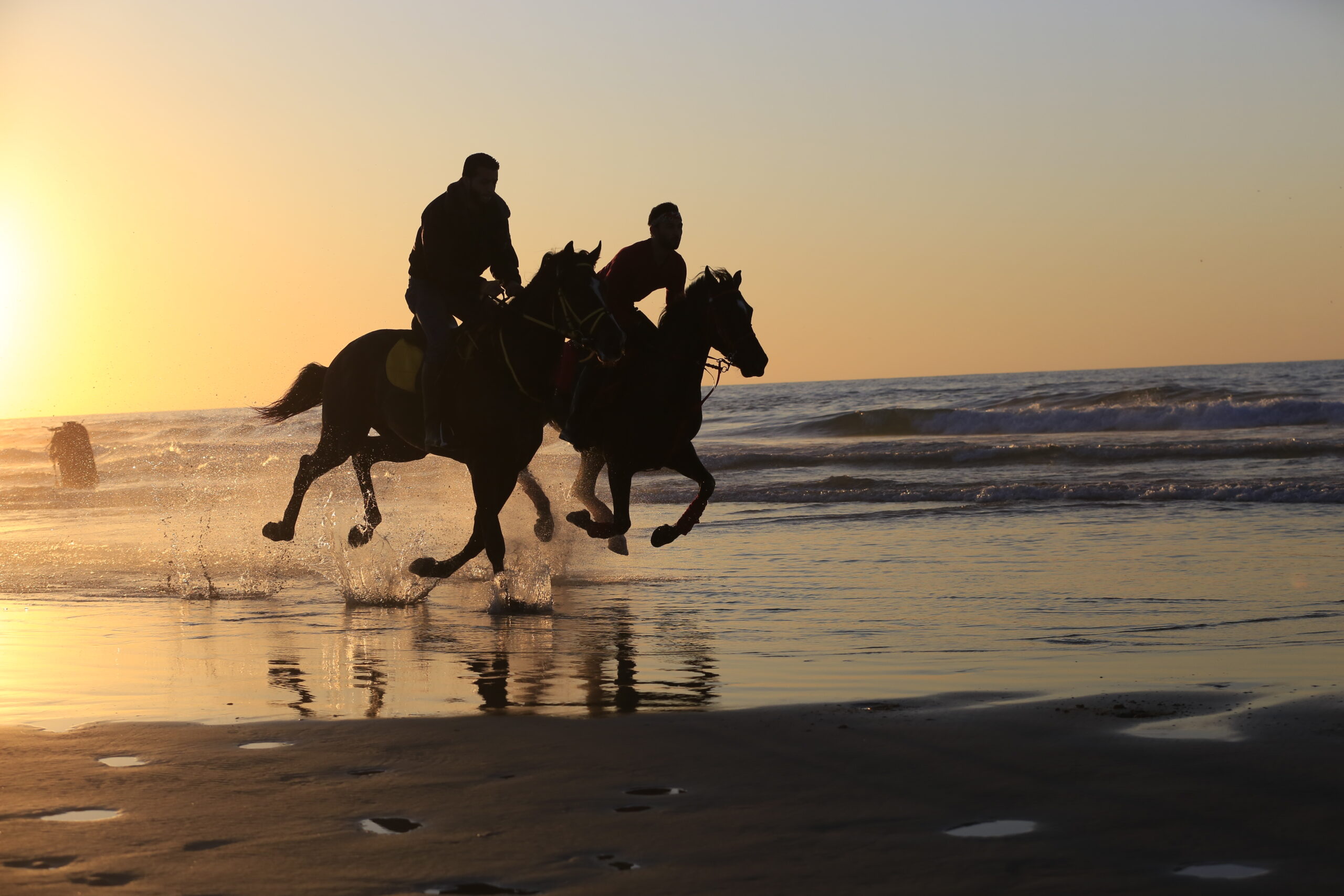
A child playing. A family gathered together. A glimpse of life continuing where the world expects only destruction.
Through Thabet’s lens, Gaza becomes something rarely seen in global headlines: a place of people who live, love, endure and imagine their futures. And in those moments - fragile, ordinary and profoundly human - the title of the exhibition begins to feel less poetic and more like a statement of fact.
Even here, the sun and moon still rise.
All images: Fadi A. Thabet





