



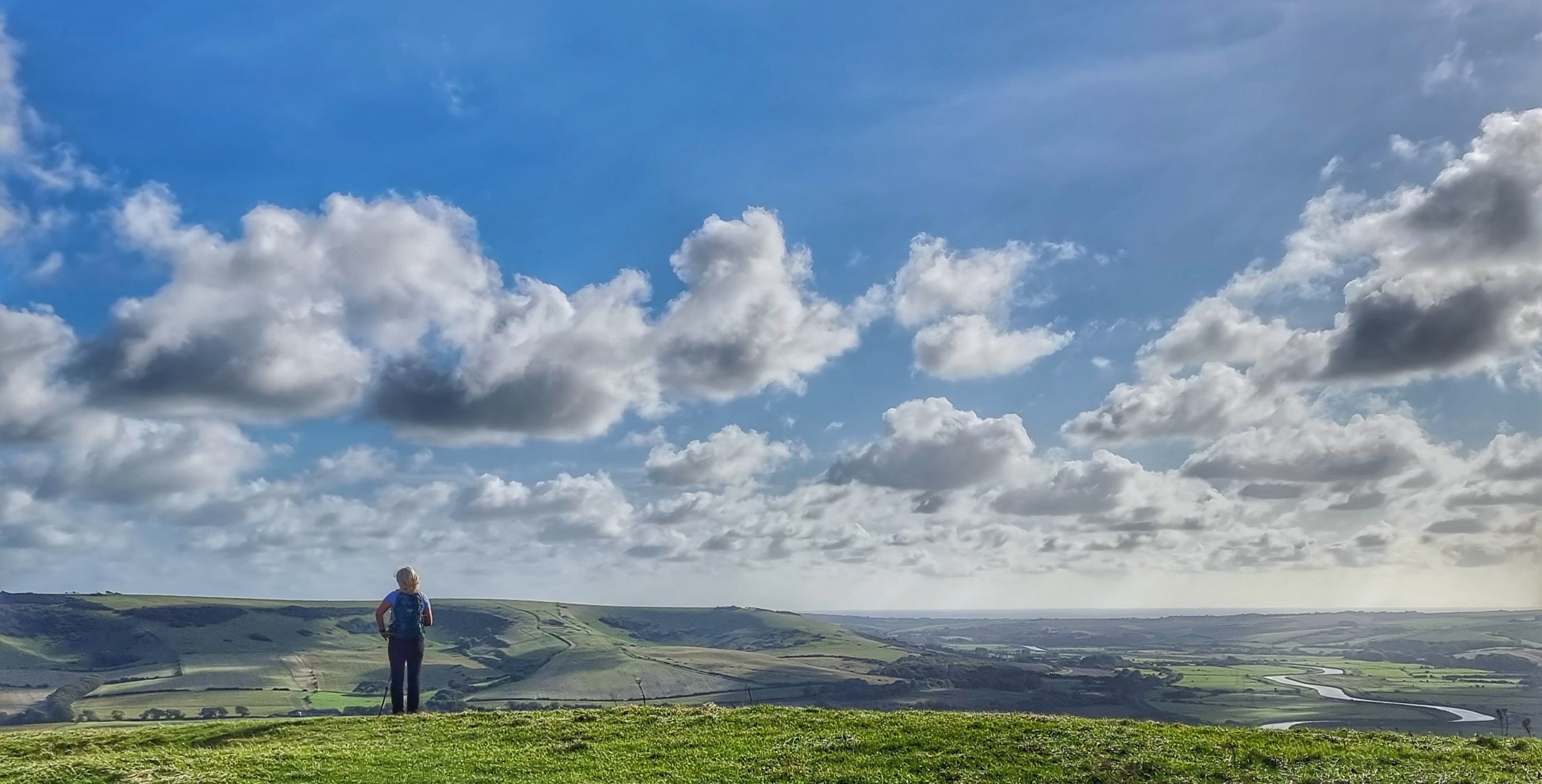
Pilgrimage has always been about movement - not just across land, but through moments of change. Historically, it resurfaces when societies are unsettled, when familiar structures loosen and people begin looking, again, for meaning beneath their feet.
Earlier this year, the British Pilgrimage Trust released its first-ever list of Britain’s most popular pilgrimage routes for 2025. Prompted in part by King Charles’s Christmas Day reflections on pilgrimage, the list drew attention to a growing appetite for intentional walking closer to home - routes shaped not by Instagram or endurance culture, but by landscape, story and silence.
Yet for Dawn Champion, Head of Engagement at the Trust, the list itself is almost beside the point, as she explained when we spoke with her recently.
“The list isn’t judged on quality,” she says. “And it’s the first time we’ve ever done this, so we didn’t really know what the results were going to be. Some of the things we expected to be there weren’t. Lindisfarne, for example - it’s iconic - and it’s not on the list.”
If anything, the omissions reveal something more interesting than the rankings: just how much of Britain’s pilgrimage culture remains quietly lived, locally held and - particularly in the North of England - under-celebrated.
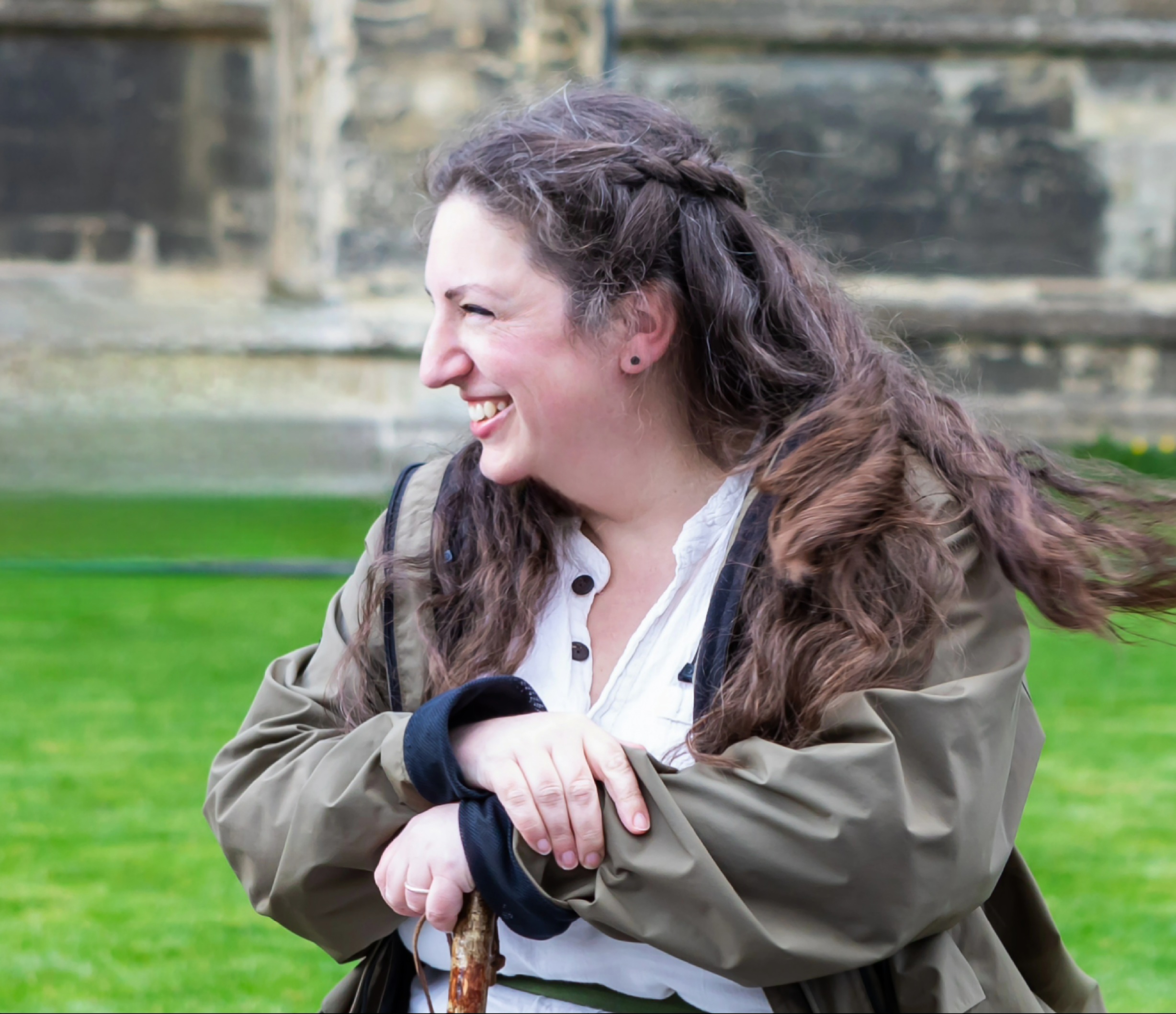
For many people, pilgrimage still conjures images of medieval devotion or long journeys to Santiago de Compostela. According to YouGov research commissioned by the Trust in 2025, curiosity about pilgrimage is high, but so are misconceptions: that it’s only for the religious, that it requires weeks off work, or that it demands historical accuracy bordering on re-enactment.
None of that reflects modern practice.
“People think you have to be really religious, or that the route has to be completely historically accurate for it to count,” Champion explains. “And none of these things are true anymore. Modern pilgrimage is very much a bring-your-own-beliefs practice.”
Around 40% of pilgrims in Britain now describe themselves as spiritual but not religious. Many are motivated by wellbeing, grief, life transitions or a desire to reconnect - with nature, with place, or with themselves.
This is where pilgrimage diverges sharply from mainstream walking culture.
“A lot of hiking culture is focused on challenge and fitness,” Champion says. “Pilgrimage is much more about the inner journey. It gives people permission to go slowly.”
In a world driven by metrics - step counts, miles, personal bests - pilgrimage offers something quietly subversive: walking without optimisation.
And in the North, this philosophy finds perfect terrain: valleys shaped by farming rather than motorways, churches that remain unlocked, paths maintained not by national bodies but by communities who care because they’ve always cared.
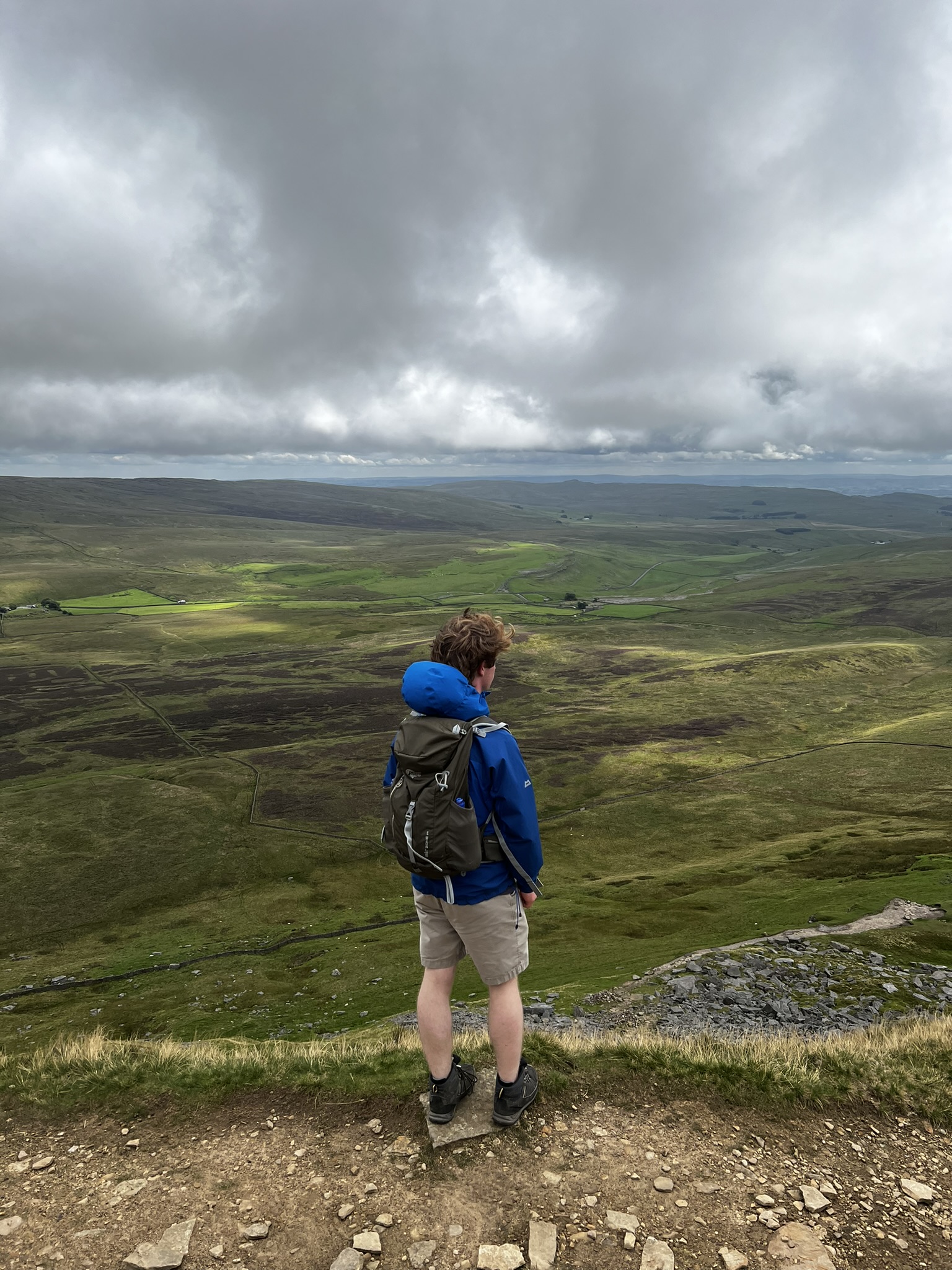
One of the Trust’s quiet revelations is how often people are already walking pilgrimage routes without realising it.
Before joining the charity, Champion worked on heritage routes running between Southampton and Canterbury. Only later did she realise she’d been tracing a historic pilgrimage path all along.
“We’ve got this idea of fixed paths through the landscape,” she tells me. “But historically, pretty much any medieval road leading to a shrine would have had pilgrims on it.”
Many of the most historically accurate routes are now buried beneath tarmac. What matters now is not precision, but experience - routes that lead people away from noise and into attention.
“It’s not about learning facts,” Champion says. “You don’t have to know anything. You can switch off that overburdened intellectual part of your brain and connect on a much deeper level.”
Increasingly, pilgrimage is becoming a response to life moments rather than religious calendars.
Champion has helped develop bereavement pilgrimages and routes designed for people navigating change - milestone birthdays, loss, uncertainty, the sense that something needs to shift.
“When you set out, you don’t necessarily expect to come back the same person,” she says.
Central to this is intention. Not a goal, but a question - or sometimes simply openness.
“You can start really small,” she explains. “A one-day pilgrimage, eight miles. Your intention might just be to see what comes to you.”
Many people feel what Champion describes as a “calling” - an urge to get out on the path without knowing why. Once they’ve tasted it, longer journeys often follow.
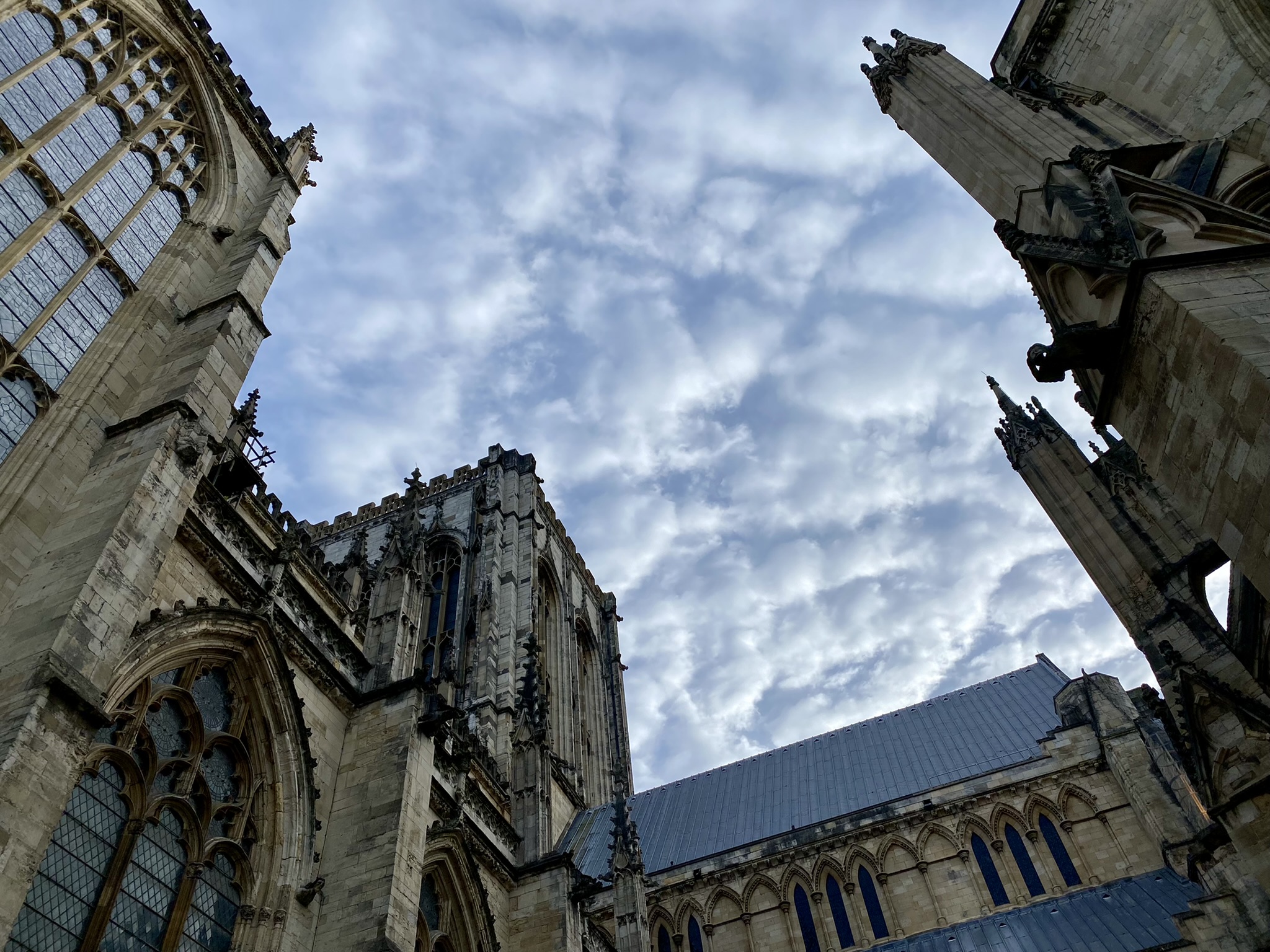
If she had to choose just three northern routes, Champion doesn’t hesitate - though she admits it’s painful to narrow it down.
First, St Oswald’s Way, which weaves through Northumberland and naturally draws pilgrims towards Lindisfarne, whether or not it makes the popularity lists.
Second, routes into Durham, a city uniquely suited to pilgrimage. With multiple one-day paths converging on the cathedral, it allows people to step out of ordinary life and walk back into it with ceremony.
“You can jump on a train, get a reasonable distance away, and then walk into the city and finish with the Mass,” she says.
And third, The Way of Love, which begins at the coast and ends in Durham.
“I love the contrast,” Champion says. “The sea, the landscape in between, and then the city. It gives you everything.”
Perhaps most importantly, pilgrimage isn’t about leaving - it’s about noticing.
Across the North, communities are reviving older traditions: Rogation walks to bless the land, local feast days, folk singing, shared meals after long walks.
“These journeys unlock engagement with local traditions,” Champion says. “Food, music, stories - it peels back the layers of acceleration and disconnection we’ve had in the 21st century.”
Rather than seeking meaning elsewhere, pilgrimage invites people to encounter it where they already live.
“You have one on your doorstep and you didn’t know,” she reminds me, laughing.
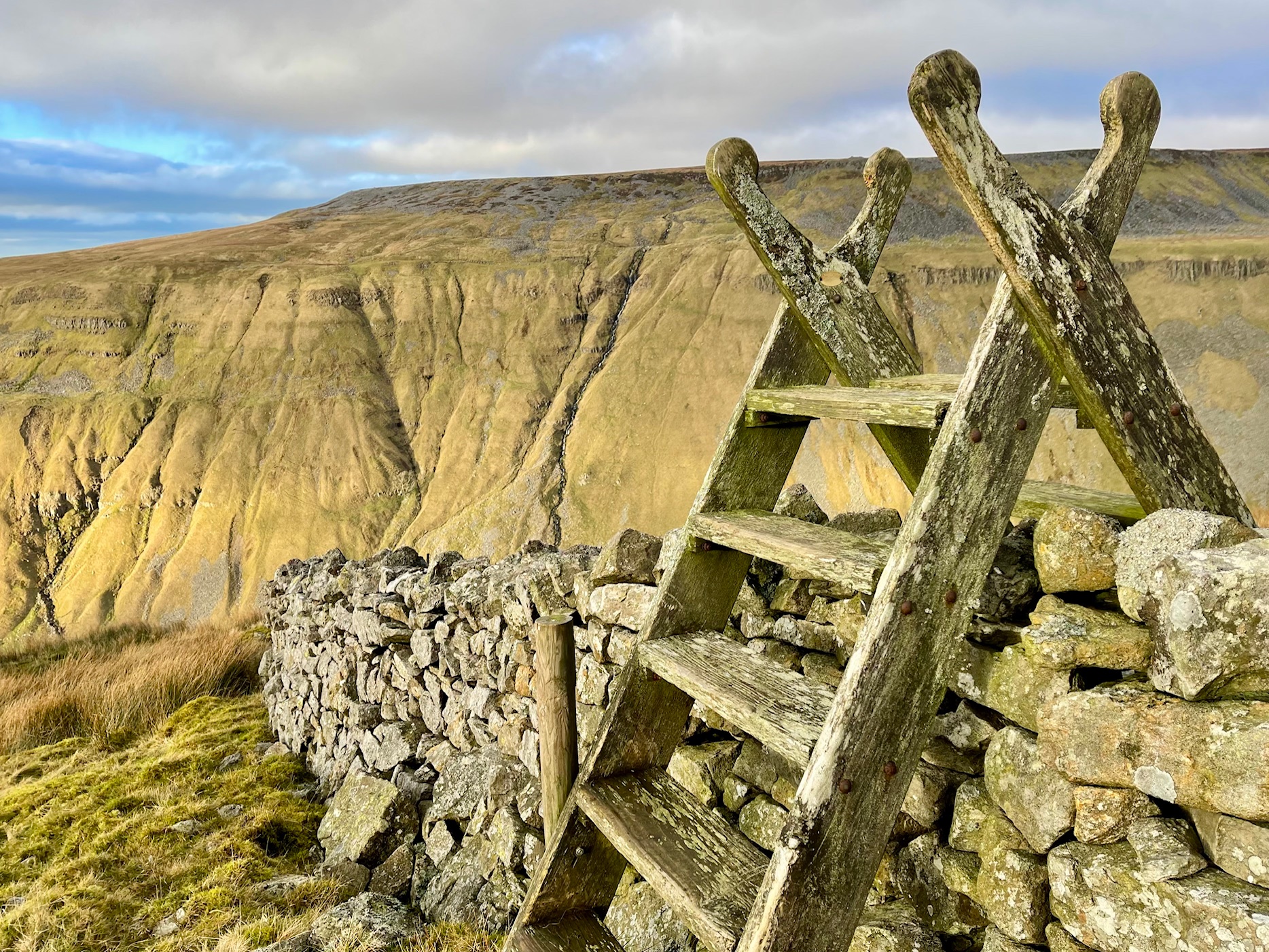
Champion’s advice is disarmingly simple.
“Download your route. Set your intention. Put your boots on and go.”
No belief system required. No specialist kit. Just time, attention and permission to slow down.
And when you reach a church along the way?
“Go right up to the east end. Lie down on the floor. Let the light from the stained glass wash over you. See if anything shifts.”
In the North of England - with its long memories, open landscapes and quiet resilience - pilgrimage doesn’t feel like a revival at all.
It feels like remembering how to walk home.





