



Fear is often described by what it takes away. It can narrow a life, harden a boundary and divide the familiar from the people or ideas placed beyond it. It can be weaponised politically, used to create collective “others” and make the distinction between a majority and a minority feel natural or inevitable.
But fear can also pull people towards one another.
It can create solidarity, reinforce a community and become the starting point for resistance or change. An emotion we tend to regard as private and debilitating may also participate in how identities are formed, negotiated and sustained.
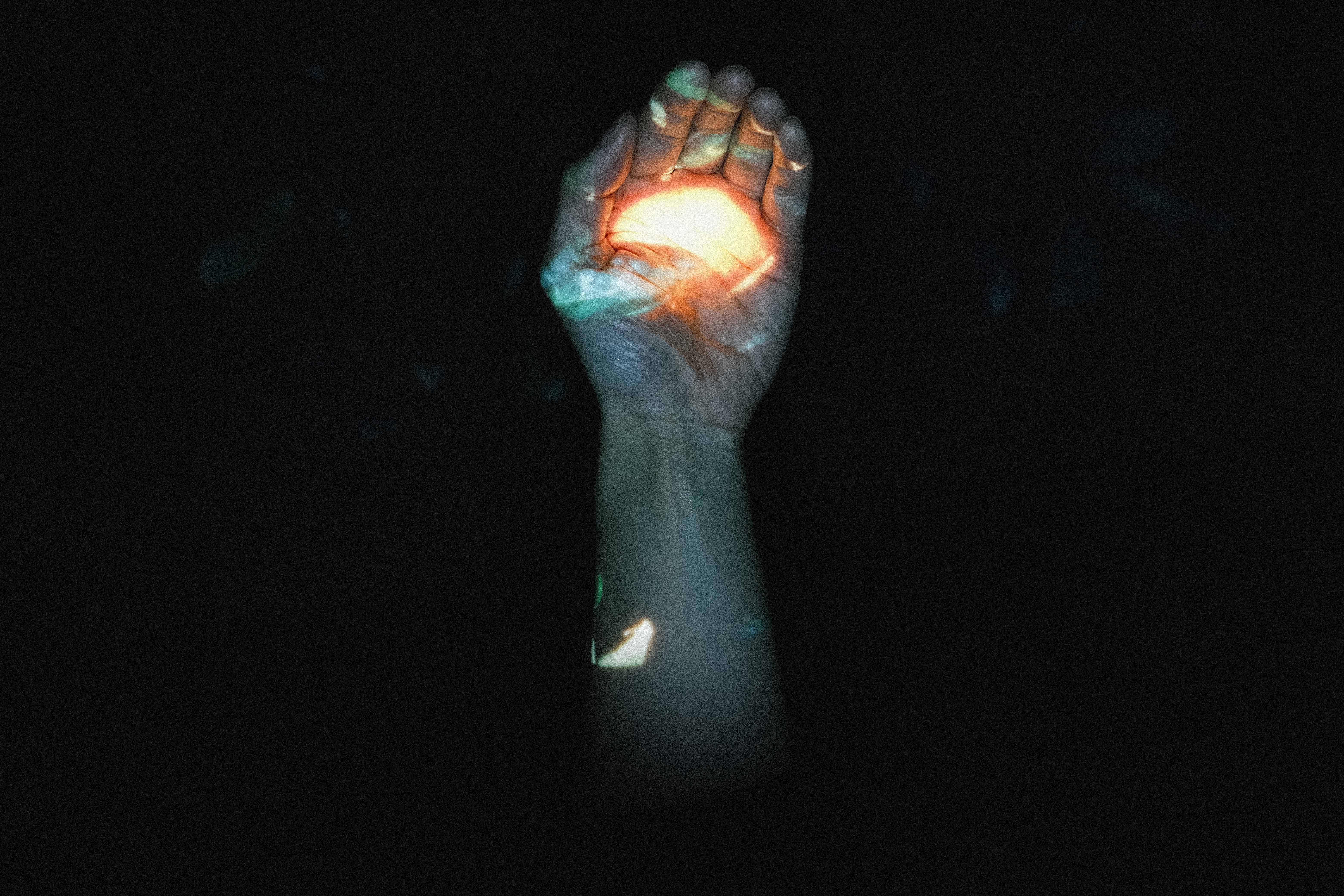
That complicated territory lies behind grasp, grasp, a new digital artwork by interdisciplinary artist Sian Fan, launching at esea contemporary in Manchester on Wednesday 30 September.
The work emerged from Fear and Belonging in Minority Buddhist Communities, a University of Manchester research project exploring the part fear plays in religious belonging and the continuing formation of communities - particularly when those communities are minoritised.
Between 2023 and 2025, academics Erica Baffelli and Jane Caple collected life stories from Tibetans living in the UK and members of the Shinnyo-en Buddhist community in Japan and Britain.
Rather than presenting those accounts as a series of named testimonies or reducing them to academic findings, grasp, grasp attempts something less fixed.
The web-based experience combines emotive photography and soundscapes across multiple pathways. It changes shape, moves in different directions and operates in different sequences, refusing to provide every visitor with precisely the same journey.
This is not simply a digital exhibition used to illustrate a completed piece of research. Its shifting form responds to the subject itself: emotions that can be felt intensely but remain difficult to describe; identities formed across cultures and places; individual lives which overlap with a community without being contained by it.
The title suggests an effort to take hold - repeated, perhaps because the thing being reached for will not remain still.
Yet the invitation contained within the work is to do the opposite: soften the gaze, loosen the grip and accept that another person’s experience cannot always be made entirely visible.
Turning a life story into art creates an ethical difficulty.
Anonymity can protect the person who shared it, but it can also strip away specificity. Art can communicate atmosphere and emotion in ways academic prose cannot, but it can also aestheticise experiences that do not belong to the artist or audience.
grasp, grasp appears to acknowledge that tension rather than claiming to resolve it.
It doesn't attempt to reproduce individual biographies as clear narratives. Instead, it seeks to create what the project describes as a blurry vision of lives lived: traces of emotion, memory and belonging that surround the viewer without being pinned to an identifiable subject.
That approach is critical when working with minority religious communities, whose experiences are too easily framed from outside through difference, suspicion or a demand that they explain themselves.
The term “minority” can appear to describe a simple numerical fact. “Minoritised” asks us to consider a process: how institutions, political narratives, media representation and social power position some communities outside an assumed centre.
Fear may arise within that unequal relationship. But the research project is also interested in what communities make from it - how difficult emotions become woven into religious practice, collective memory, mutual care and the repeated work of belonging.
Baffelli’s research has examined contemporary religion in Japan, including new and minority religions, gender, violence, media and Buddhist emotion.
Caple has worked with Tibetan communities for more than two decades, researching the intersections between religion, morality, economy and feeling.
Their project combines conventional interview-based life-story research with visual and narrative methods, asking not only what can be known about fear but how those understandings might be communicated without flattening them.
The partnership with Fan and Manchester arts organisation FutureEverything allows artistic practice to become part of that enquiry.
Fan’s existing work makes her a particularly thoughtful artist for the task.
Working across digital art, performance, sculpture and moving image, she uses the body and technology to examine identity and embodiment in an increasingly digitised world.
Her practice is informed by her Chinese and British heritage and by the experience of existing between cultural positions. It has explored diaspora, cultural imposter syndrome, the objectification of Asiatic bodies and the uneasy parallels between depictions of Asian and cyborg identities in anime, film and video games.
Fan is interested in thresholds: states in which a person exists as both and neither, and in virtual bodies projected beyond the limits of physical ones.
Her work has been shown by institutions including Tate Modern, FACT Liverpool and the V&A, while she has also produced projects with the BBC, Channel 4 and Meta.
In grasp, grasp, the digital form is more than a method of delivery.
A conventional exhibition asks people to occupy the same room and encounter works whose physical arrangement remains broadly stable. A web-based artwork can be entered from different countries and circumstances. It can branch, repeat, withhold and rearrange itself. The experience becomes intimate and unstable: mediated through a personal screen, yet built from the stories of communities.
The instability feels appropriate to a project concerned with belonging.
Belonging isn't a possession acquired once and kept without question. It may be strengthened by ritual, language, shared memory and mutual recognition, while being unsettled by migration, hostility, generational change or the gaze of a wider society.
Nor is fear its simple opposite. Fear can threaten belonging, but it can also reveal what a person values and what a community feels compelled to protect.
FutureEverything has spent more than three decades exploring the relationship between digital culture and public life.
Established in Manchester in 1995, the organisation has combined artistic commissions, critical debate and experimentation to examine how emerging technologies alter the ways people live, communicate and imagine the future.
For grasp, grasp, that expertise sits alongside academic research and Fan’s exploration of bodies suspended between physical and virtual worlds.
The collaboration doesn't promise to translate another person’s fear into something completely knowable.
That could be its most honest quality.
There are experiences an audience should not expect to master. To encounter someone’s testimony responsibly may mean resisting the impulse to classify it, solve it or make it serve a more convenient argument.
grasp, grasp offers no single route and no definitive sequence. It asks visitors to spend time within ambiguity: to notice how feelings appear and recede, how identities move, and how something can remain indistinct without becoming meaningless.
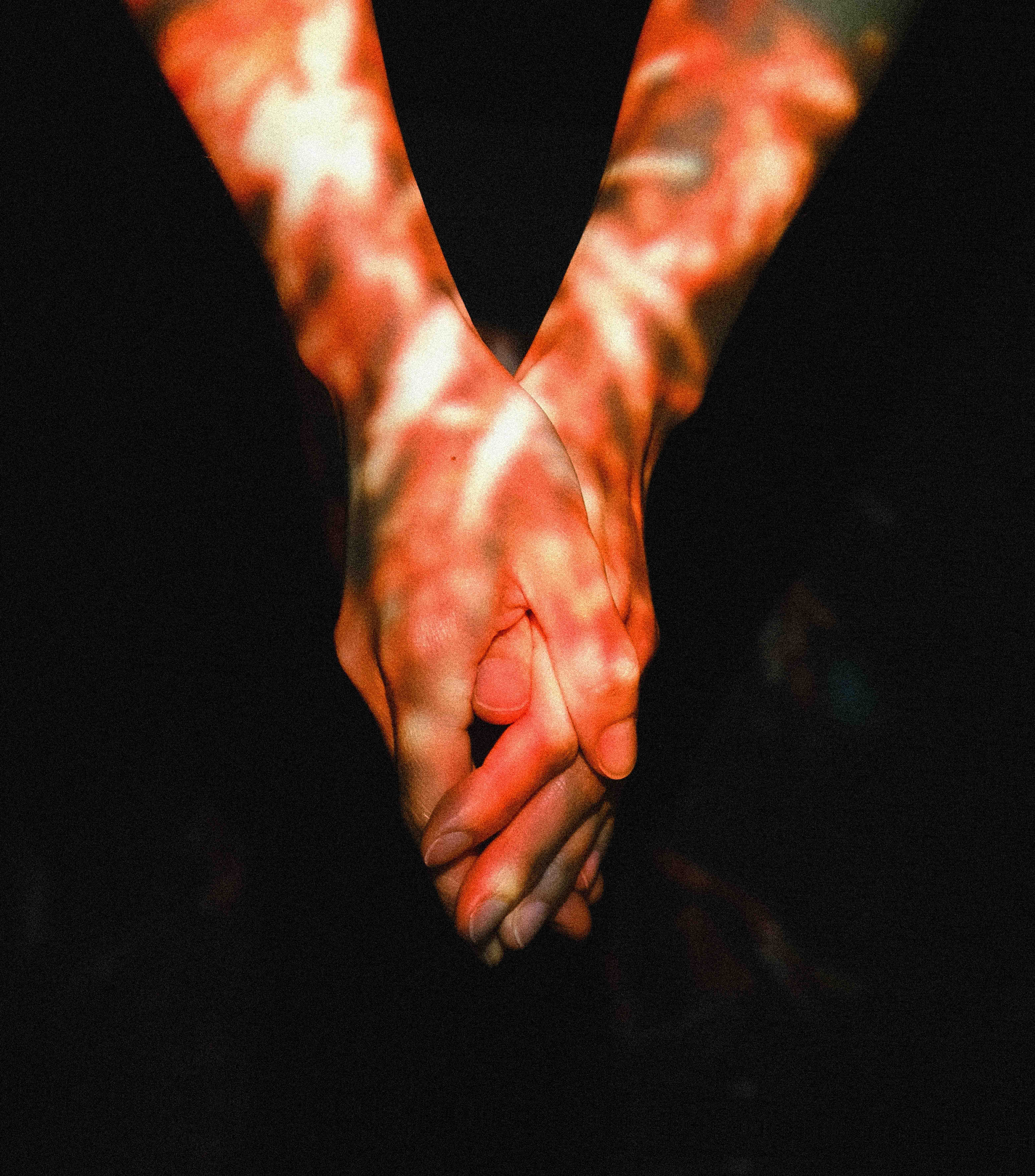
The hand that grasps is trying to secure an object. The gentler hand might allow another life to retain some mystery.
Sian Fan: grasp, grasp
Wednesday 30 September 2026, 6.30–8.15pm
esea contemporary, 13 Thomas Street, Manchester M4 1EU
The launch includes a presentation by Sian Fan and a question-and-answer session led by Chris Wright, former executive director of FutureEverything. A drinks reception will follow for visitors attending in person.
The presentation will also be livestreamed from 7pm.
Admission is free, but capacity is limited and advance booking is required through Ticket Tailor.





