



There can be few British entertainers so completely entwined with a place as Eric Morecambe.
Born John Eric Bartholomew in the Lancashire seaside town on 14 May 1926, he went on to borrow its name and carry it into living rooms across the country. A century later, the affection still runs both ways. (Ask Mum and Dad. Or maybe Granny.)
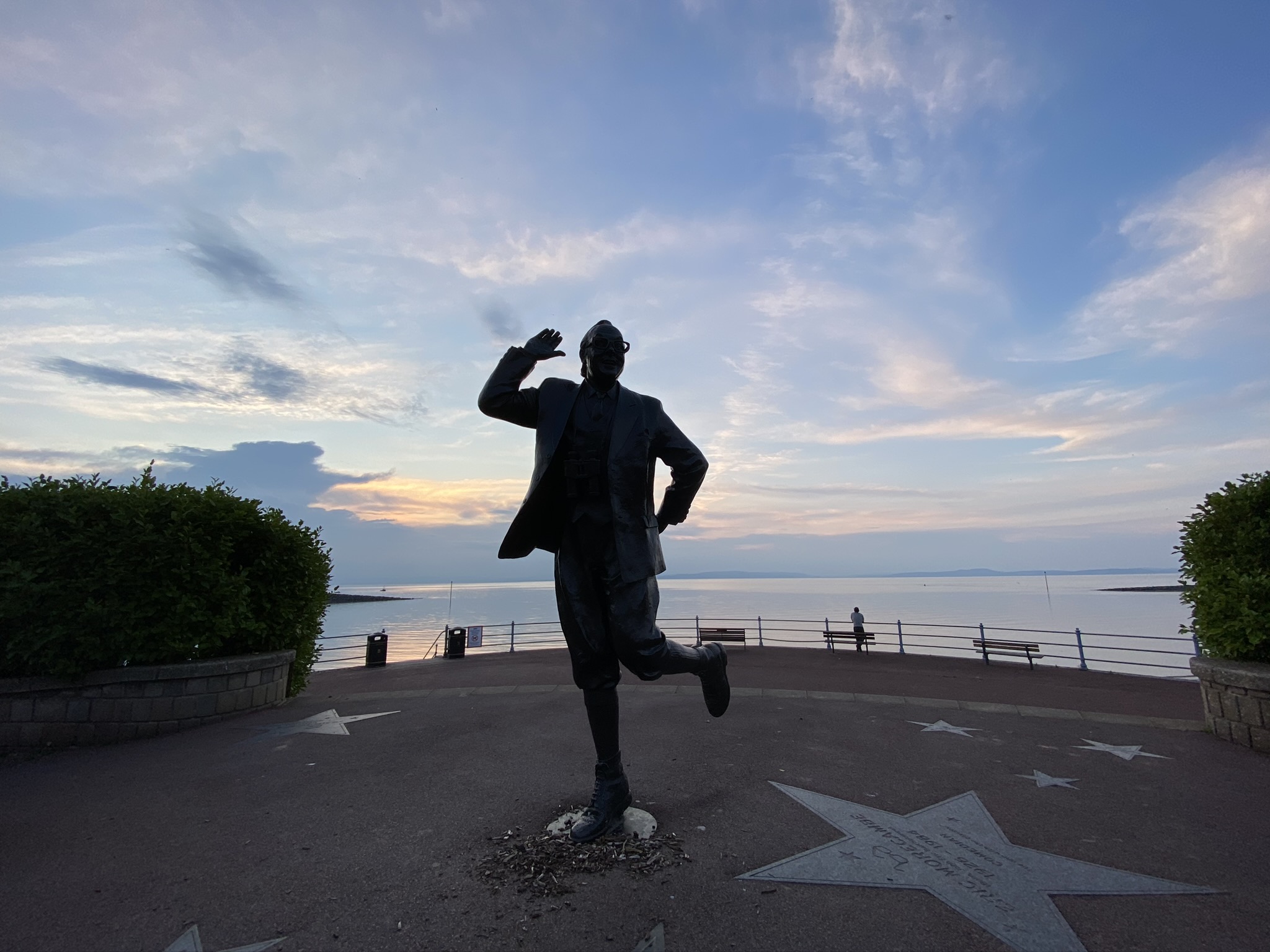
His familiar bronze figure continues to look out across Morecambe Bay, one arm raised and one leg kicked cheerfully behind him. People pose beside him, imitate him and photograph themselves beneath skies which are not always inclined to bring much sunshine at all.
But during the centenary year of his birth, the town's attempting to do more than remember its most famous son.
From 21 to 28 November, a new Morecambe Comedy Festival will bring national performers, television pioneers and emerging local talent together across some of the town’s best-known venues. The programme encompasses stand-up, television history, fringe theatre, workshops, street performance and a community showcase.
It is a celebration of Morecambe’s comic inheritance - but also an attempt to make that inheritance useful.
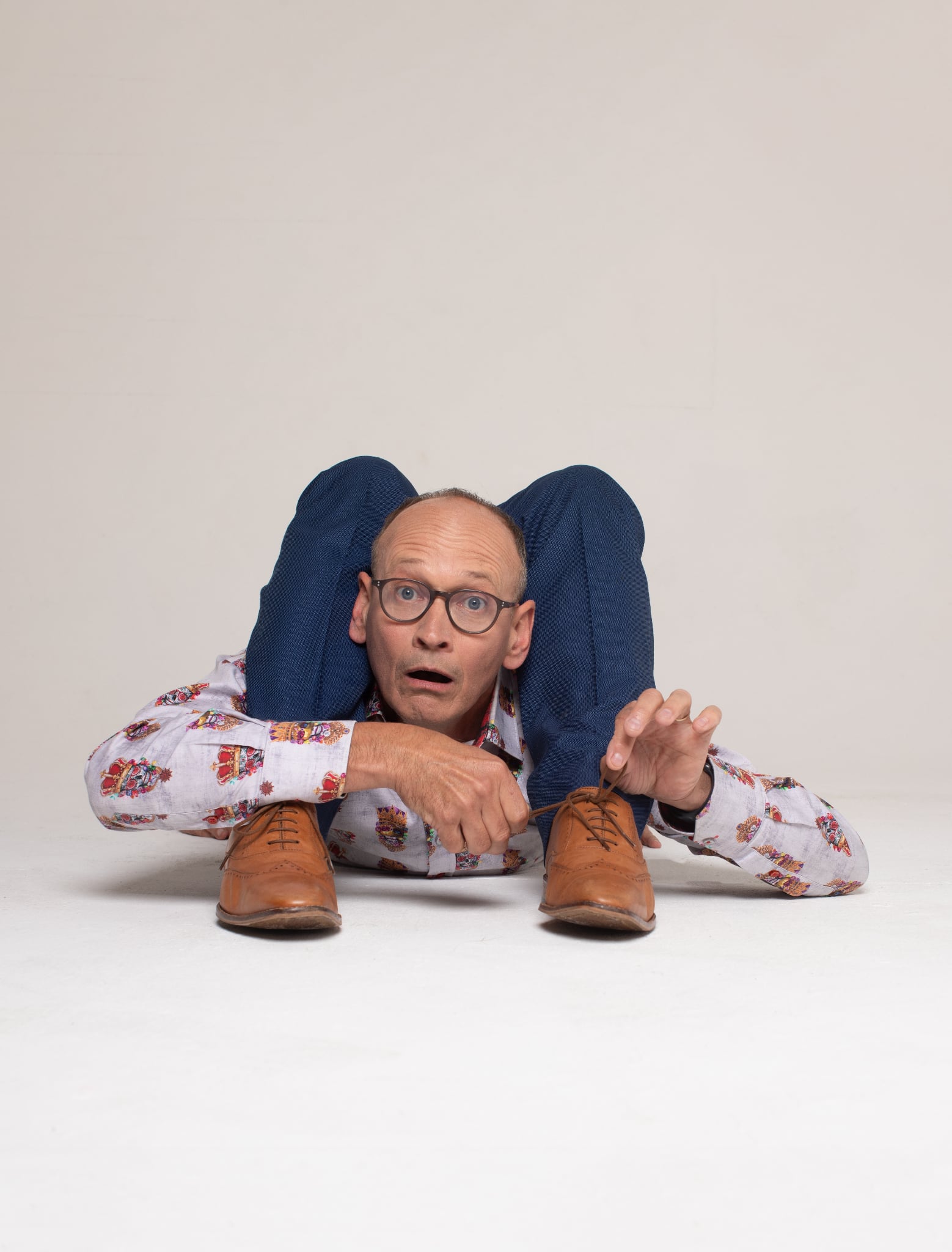
The festival opens at the lovely Morecambe Winter Gardens on Saturday 21 November with a particularly neat piece of casting. Headliner Steve Royle is currently portraying Eric Morecambe in The Last Laugh, Paul Hendy’s stage play imagining Morecambe, Tommy Cooper and Bob Monkhouse together in a dressing room, contemplating comedy, life and death.
Royle, a Britain’s Got Talent finalist whose credits also include Live at the Palladium and Peter Kay’s Phoenix Nights Live, will therefore arrive in Morecambe carrying a little of Eric back home with him.
He will be joined by Brennan Reece, an Edinburgh Comedy Award Best Newcomer nominee and English Comedian of the Year winner whose act has earned him the description “a teenage Alan Bennett”; and Daliso Chaponda, the Malawian-born comedian, writer and broadcaster behind the BBC Radio 4 series Citizen of Nowhere.
Pam Ford, promising tales of “getting old disgracefully”, will hold the opening evening together as compere.
A week later, the Winter Gardens will turn its attention to a more unruly chapter of British television history.
Ed Bye, whose directing credits include Bottom and Red Dwarf, will appear in conversation with producer and director Paul Jackson. Jackson’s long television career includes work on The Young Ones and The Two Ronnies. Through screenings and conversation, the pair will revisit programmes which disrupted the conventions of British comedy and helped shape what followed.
There's considerable nostalgic appeal in all of this. But the most important parts of the programme might just take place away from its biggest names.
Free workshops will give people from Morecambe the chance to devise and develop their own stand-up routines before performing at the Best of Morecambe community showcase at Morecambe Town Hall on 27 November.
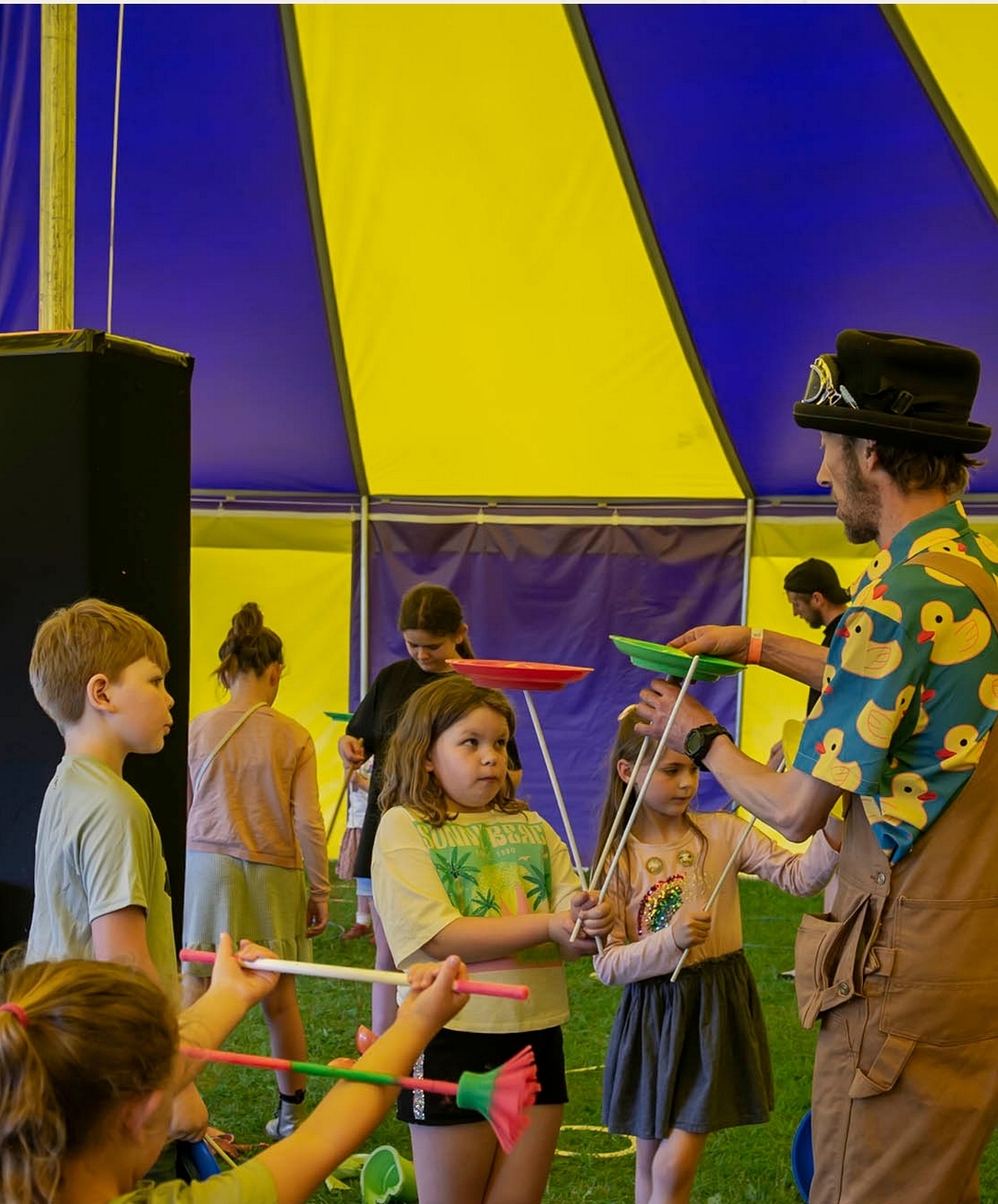
Children’s sessions will take place at Morecambe Library, while free comedy-themed workshops for children with special educational needs will explore comic-making, silly songs, jokes, sketches, storytelling and magic.
There will also be free caricature and street-circus workshops during the week.
A festival can arrive in a town, entertain its audiences and disappear again. The more valuable kind leaves people believing they might possess a story, skill or voice of their own.
“As the birthplace of one of Britain’s most-loved comedians, Morecambe has long been crying out for a comedy festival - and the centenary year of his birth seems a fitting time to launch one,” said Councillor Lee Bradbury, chairperson of Morecambe’s Festivals, Sponsorships and Events Committee.
“As well as the fantastic talent on display, we’re providing a programme of creative workshops and opportunities for people of all ages to try their hand at various forms of comedy.
“We hope the festival will not only give audiences the chance to see some fantastic comedy, but inspire the next generation of performers too.”
Morecambe’s relationship with comedy is, after all, about more than the fame Eric eventually achieved.
His story began with a working-class child, local talent competitions and a mother, Sadie, who reportedly worked as a waitress to pay for her son’s dancing lessons. Before the celebrated television shows, the Christmas specials and a partnership with Ernie Wise that became part of British popular memory, there was somebody making it possible for a young person to have a go.
A century later, the circumstances are different - but access still matters.
The cost of lessons, travel and tickets can close cultural doors long before a kid knows what might lie behind them. Free workshops cannot dismantle every barrier, but they can offer a beginning: a room to enter, permission to experiment and an audience prepared to listen.
The wider programme also draws upon the creative momentum already developing in the town.
Award-winning fringe performers will appear at the West End Playhouse, where Mel Byron returns on 23 November following her success at the previous Morecambe Fringe Festival. Musical comedian Stylophobia brings a surreal combination of music and comedy on 24 November, with another fringe performer still to be announced for the following evening.
On 26 November, Just the Tonic - the comedy promoter and Edinburgh Fringe regular - will take over The Platform, with its line-up to be revealed.
The festival is being presented by Morecambe Town Council and produced by Matt Panesh, founder of the town’s poetry and fringe festivals.
“I’m very excited to be working with the town council on this,” he said. “We’re building on the success of this year’s Fringe Festival by bringing back Fringe award winners, top-level comedians, TV legends and offering opportunities for the town’s people to get involved in the fun.”
That idea of building is important.
Like many seaside towns, Morecambe has too often been described by outsiders through what it has lost. But its cultural venues, festivals and independent organisers are beginning to offer a different account: not a miraculous transformation delivered by one institution or development, but a network of people repeatedly making things happen.
The Winter Gardens is central to that story. Its extraordinary surviving auditorium provides a setting in which television history, popular entertainment and Morecambe’s own ambitions can meet. The West End Playhouse, The Platform, the library and the Town Hall extend the festival beyond a single building and across the town.
Together, they allow Morecambe to become more than the backdrop to somebody else’s touring show.
Eric Morecambe remains present throughout - not simply because of the centenary, Royle’s performance or the statue on the promenade, but because of the warm, generous understanding of comedy with which his name is associated.
The new festival need not attempt to recreate that work. Comedy has changed, as have its audiences, forms and performers. The most fitting tribute could be to create the conditions in which something entirely different can begin.
Some of those attending the workshops will discover that standing in front of strangers with a microphone is absolutely not for them. Others might leave with a joke that works, a new friendship or the first flicker of an idea.
And somewhere in Morecambe, perhaps, another young person who has never thought of themselves as a performer will be given the chance to step forward and make a room laugh.
A hundred years after John Eric Bartholomew was born, that feels like a more meaningful inheritance than nostalgia alone.
Morecambe Comedy Festival takes place from 21 to 28 November 2026 at venues across Morecambe. Further programme and ticket information is available from Morecambe Town Council.





