



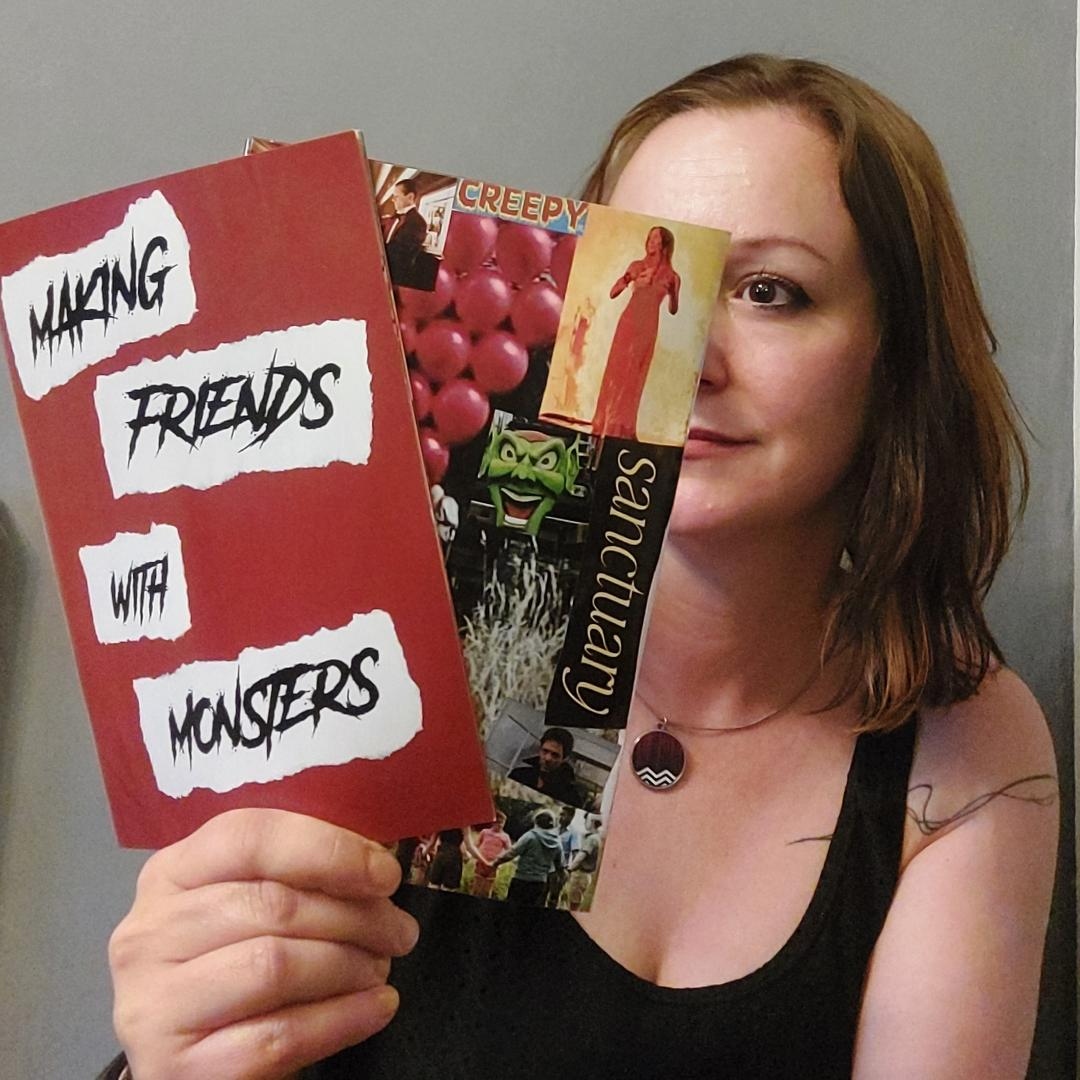
As a child, Alex Herod would max out her library card on Point Horror books. As a teenager, she was absorbed by The X-Files. She knew the pleasure of a frightening story long before she understood what writing one might offer her.
Alex, from Middleton, stopped drinking in 2019 after what she describes as a difficult relationship with alcohol dating back to her early teens. She sought help in many places: meetings, online communities, sober friends, different kinds of therapy and books about quitting. Seven years on, she says writing horror fiction has become another important part of sustaining her recovery.
“Writing horror has allowed me to go into very dark places and come out the other side,” she says. “I can explore feelings of disgust and monstrousness - how I felt about myself when I was drinking, or how I felt others saw me - and do so in a way that is in my control.”
That last phrase is especially appropriate. In a horror story, Alex can enter an unsettling place and decide what happens next. She can change a sentence, revise a scene or give a character words that were once difficult to say aloud. The genre gives her room to approach painful experiences indirectly, without requiring every story to be a literal account of her life.
Although she writes fiction, she says its recurring themes include addiction, trauma, mental health, transformation and recovery. Alex has a diagnosis of complex PTSD, and her work draws on experiences she previously felt shamed into silence about.
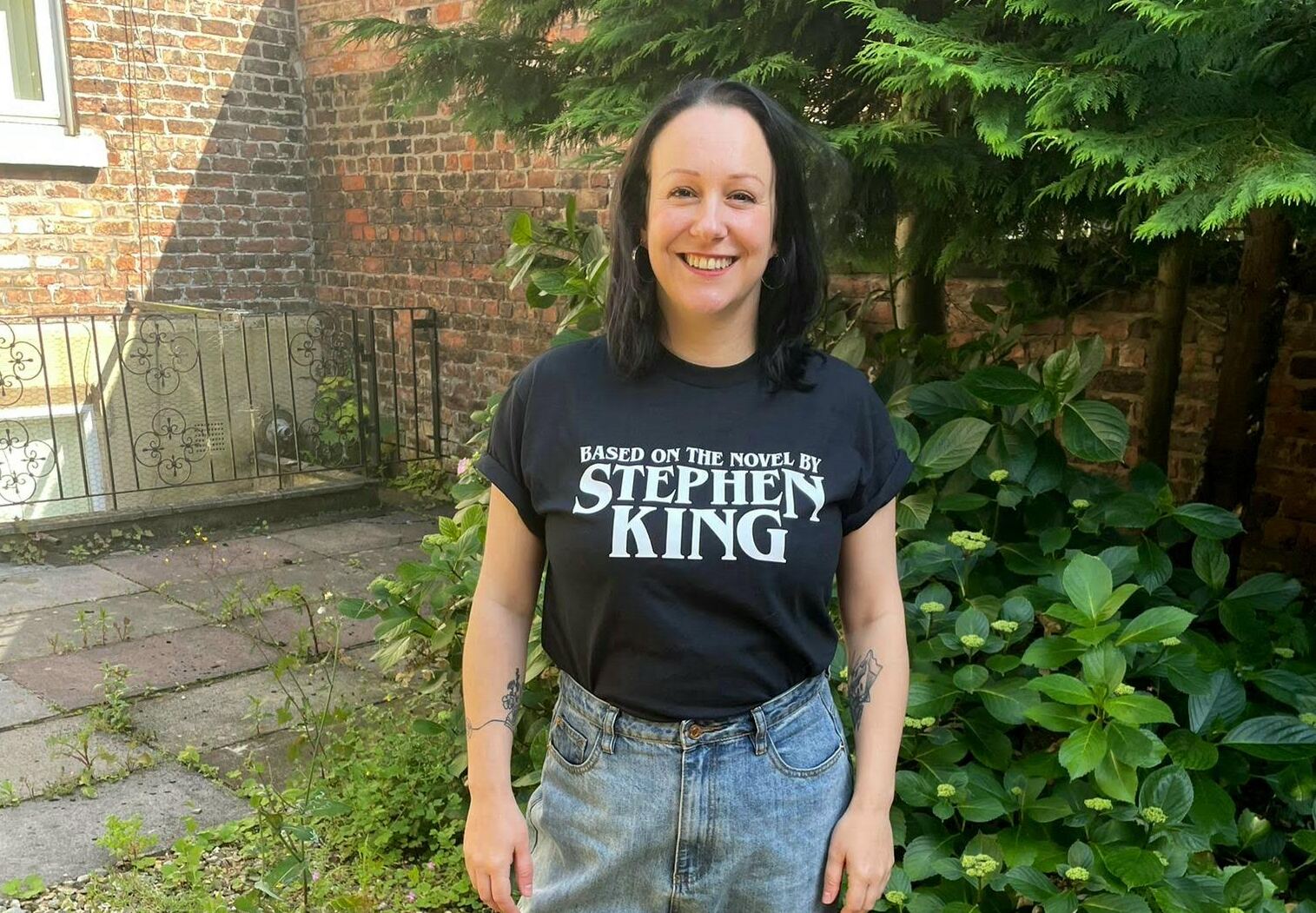
Horror also gives her permission to experiment. It can be strange, funny, excessive or fantastical. Alex says she has used fragmented, nightmarish shifts in time to explore the impact that alcohol-induced blackouts had on her. The shape of a story can express something that a straightforward account might struggle to hold.
None of this means that writing replaced the other sources of support she found. Alex’s account is more interesting than a simple story of art as a cure. Meetings, friendships, communities and therapy all form part of her journey. Writing has given her another way to understand it - and, she says, to feel less alone with parts of herself she once feared.
“It helps me to process my experiences of addiction and trauma, and learn to accept and embrace the darker parts of myself so I don’t feel disconnected - making friends with my monsters,” she says.
Alex works at the University of Salford and is partway through a creative writing PhD examining how writing horror supports and sustains her recovery. She is also due to release her debut novel next year.
On Tuesday, she will speak at Recoverist House of Horrors: Making Friends with Your Monsters, a free event in Manchester exploring how horror writing and films can relate to recovery. It forms part of Recoverist Month, a programme of exhibitions, performances and creative events that places the arts within conversations about substance use.
For people who've never found comfort in horror, Alex’s choice may sound surprising. But perhaps the attraction lies in being able to look directly at what frightens you, within a story whose pages you can turn - or rewrite. In Alex’s hands, the monsters have become something she can make, examine and live alongside.
Alex Herod’s free talk takes place on Tuesday 15 September 2026, 1–1.45pm, at SODA, Manchester Metropolitan University, 14 Higher Chatham Street, Manchester M15 6ED. An optional artists’ book workshop with George Grace Gibson follows from 2–4pm and costs £4.50. Event details and booking HERE





