



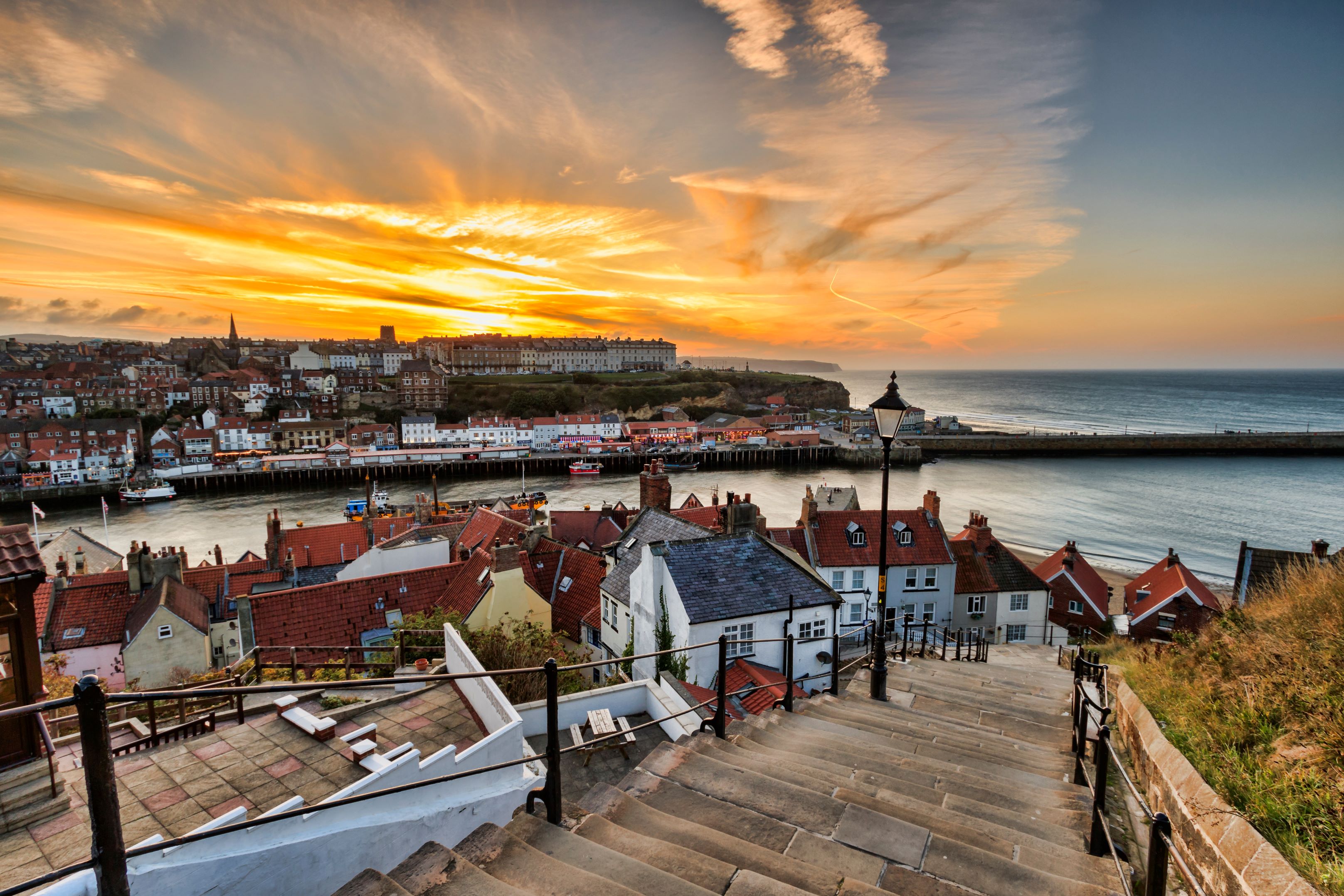
Whitby has never required much encouragement to become a story.
Long before Bram Stoker sent Count Dracula’s ship crashing onto its shore, the town had accumulated saints, sailors, storms, smugglers, fossils, fishing families, jet workers, whalers, lifeboat crews and ghosts enough to fill any number of libraries.
Its ruined abbey has watched over centuries of arrival and departure. Its narrow streets seem designed for secrets. The North Sea provides a constantly changing final page at the end of almost every view.
Whitby isn't only somewhere in which stories are told. It's a place that seems to manufacture them.
That makes the return of Whitby Lit Fest from 19–22 November feel less like the imposition of another cultural event on a photogenic Yorkshire town and more like a natural extension of the place itself.
The inaugural festival in 2025 was an instant, sold-out success. For a new organisation finding its feet, that response could have been treated as beginner’s luck. Instead, Whitby Lit Fest returns for its second year with more than 50 events, a newly secured charitable status and a programme carrying serious national weight.
John Boyne, Ann Cleeves, Si King, Joanne Harris, Mark Billingham, Greta Scacchi, Corinne Bailey Rae and Dr Sian Williams are among the writers, broadcasters, actors and performers heading to the Yorkshire coast.
It's an impressive list. But the more interesting achievement could be the way the festival's resisted becoming only a procession of recognisable names.
Its programme has been constructed around Whitby: its gothic inheritance, its relationship with the sea, its writers and makers, its young people and the enduring question of why particular places exert such a powerful hold upon the imagination.

John Boyne, whose The Boy in the Striped Pyjamas became an international publishing phenomenon, is set to discuss his new novel, The Weight of Angels, with Middlesbrough-born broadcaster and novelist Steph McGovern.
Si King arrives with Proper Home Cooking, his first solo cookbook, and a career spent placing food, friendship and the character of different communities at the centre of the story.
Former BBC Breakfast presenter Louise Minchin will offer a preview of her forthcoming thriller, while Dr Sian Williams - the news presenter who retrained as a psychologist - explores The Power of Anxiety.
Some of the festival’s conversations will move directly into the troubled territory of public life. Channel 4 foreign correspondent Alex Thomson is going to interview political commentator Peter Oborne about Complicit, while writers, journalists and historians examine power, public institutions and the stories nations tell about themselves.
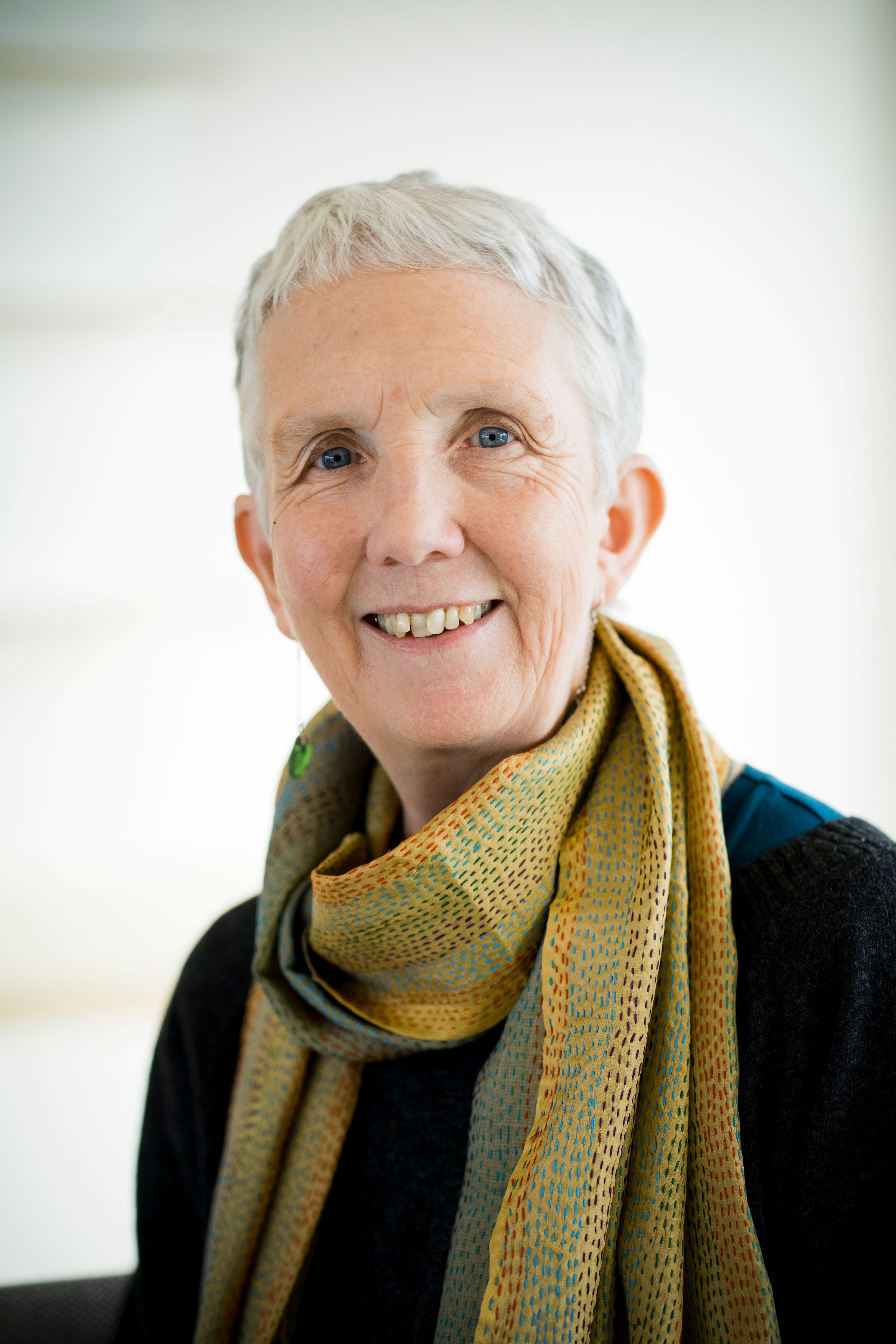
Crime fiction will be particularly well represented. Ann Cleeves, creator of Vera and Shetland, is joined by Crime Writers’ Association Diamond Dagger recipient Mark Billingham, Elly Griffiths, Jo Murray, Martin Edwards and Sarah Hilary.
Whitby, with its stairways, shadows, sudden sea frets and brooding headland, won't struggle to supply the atmosphere.
Can any other British literary festival can claim quite the same relationship with gothic storytelling?
Whitby’s connection with Dracula is known across the world, but the festival is interested in a much larger tradition: the ghost story, folk horror, supernatural fiction and the unsettling power of landscape.
Joanne Harris, Laura Purcell, Jess Kidd, Amanda Mason, Lucie McKnight Hardy and Essie Fox are among the writers exploring those darker imaginative territories.
The danger for Whitby has always been that its gothic identity becomes reduced to souvenir teeth and theatrical cobwebs. A serious literary festival can do something much more valuable. It can examine why these stories persist, what anxieties they contain and why the North’s isolated houses, moors, coastlines and old communities continue to provide such fertile ground for writers.
And the sea receives its own attention too.
Historian Alistair Moffat will discuss his pilgrimage around the North Sea. Sally Coulthard brings a history of the coast told through 100 objects, while metal detectorists Eleanor Bruce and Lucilla Gray consider the fragments of human life returned by the land.
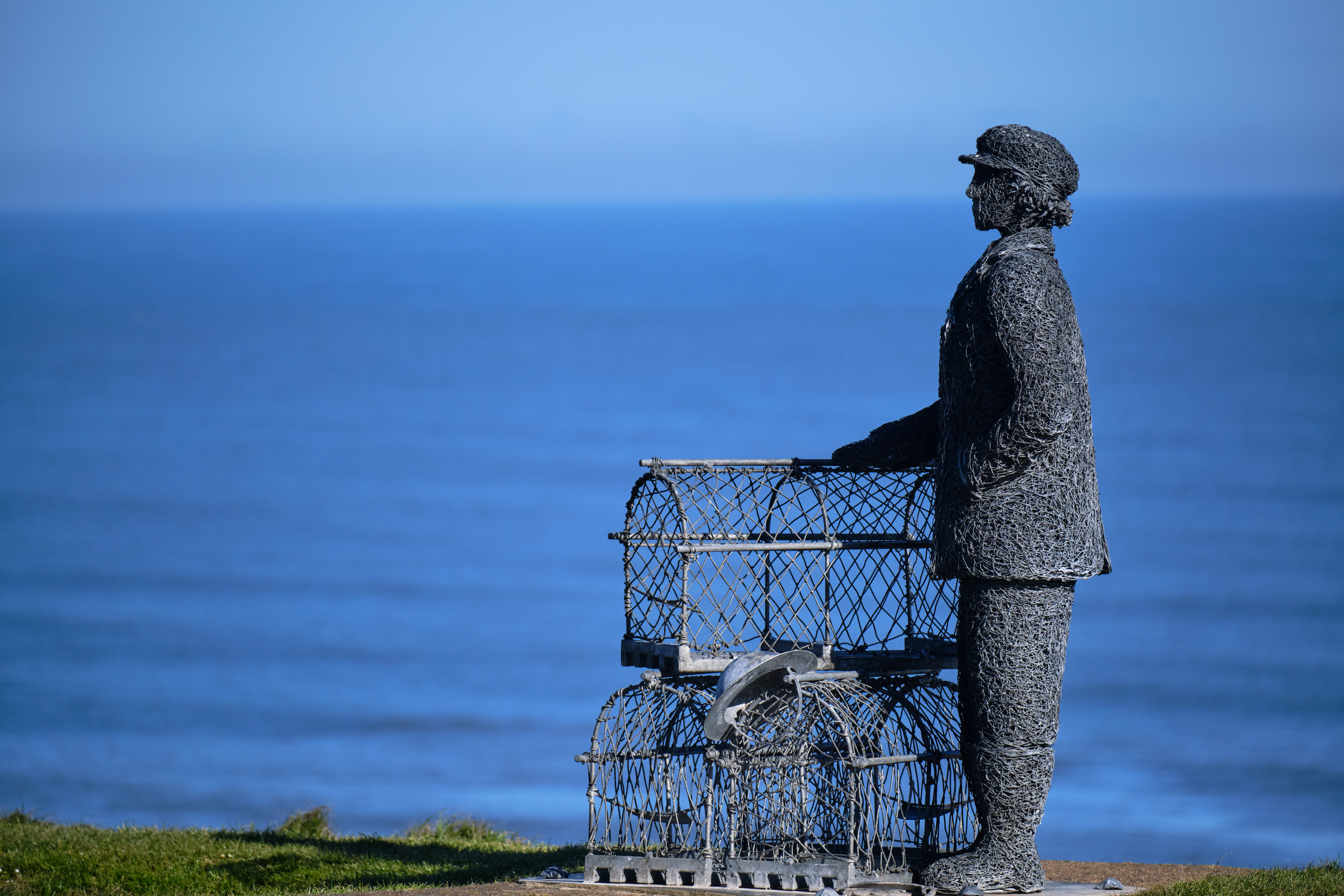
Dominic Gregory’s Lifeboat at the End of the World brings the story closer to Whitby’s own experience of rescue, danger and voluntary courage. The town’s Heritage Sculpture Trail will also feature through (the quite brilliant) sculptor Emma Stothard and writer Tim Kelly, the collaborators behind the much-loved Wirefolk of Whitby.
These aren't events that could be transferred unchanged to any agreeable market town with a hall and a bookshop. They belong beside this particular bit of northern coastline.

The programme also allows stories to cross between forms.
Actor Greta Scacchi will discuss the books behind her screen career and join arts journalist Jasper Rees for a conversation about his official biography of Michael Gambon, with whom she worked on stage and screen.
Writer and producer Matt Baker will explore the journey from page to television with Emmy-winning writer David Quantick, whose credits include Veep and The Thick of It.
Theatre arrives through Flight, presented by The Hull to Scarborough Line, while the festival’s Honorary Patron, Sir Alan Ayckbourn, has curated a spotlight on writer Robert Shearman and his connection with Scarborough’s Stephen Joseph Theatre.
The inclusion of theatre, music and performance matters here. Literary culture has never existed only between two covers. Stories are spoken, sung, adapted, argued over and passed between people. A proper festival creates the room in which that exchange can happen.
Perhaps the most important test of a literary festival is not the number of books its visiting stars have sold. It is whether somebody leaves believing that their own words might matter.
Whitby’s programme makes meaningful room for children, emerging writers and people still working out how to begin.
Grammy Award-winning singer-songwriter Corinne Bailey Rae is going to take part in a family event celebrating the winners of the festival’s children’s writing competition, delivered in a fab partnership with the National Literacy Trust.
There'll be dinosaurs from Yorkshire’s remarkable coast, young adult fiction, horror for younger readers and opportunities for children to see that books aren't remote objects produced by a mysterious class of people somewhere else. They start with curiosity, imagination and the decision to write something down.
For adults harbouring the same ambition, HarperNorth, Salt Publishing and Valley Press will contribute publishing panels and masterclasses. Creative-writing workshops, poetry and live performance extend the programme beyond the established author interview.
That strand deserves attention, because literary festivals can too easily become places where audiences admire finished careers. Whitby also wants to illuminate the less glamorous business of beginning one. And it might just be your time...
Whitby Lit Fest isn't the outpost of a national events company. It emerged from the community itself.
Its steering committee brings together local businesses The Whitby Bookshop and Hetty & Betty with North Yorkshire Council Libraries, Visit North Yorkshire and English Heritage, custodian of Whitby Abbey. The novelist, former BBC Radio 4 producer and Whitby resident Kate Fenton is the festival’s Patron; Sir Alan Ayckbourn is its Honorary Patron. They all deserve a big MagNorth hug. (I've just decided I'm going to make that an actual thing. Editor; take note.)
Fenton recalls that the organisers always believed Whitby’s “quirky, gothic charms” would attract readers, but even they hadn't predicted the immediate success of the first festival.
Her description of this year’s promise - “entertainment, inspiration, wit, wisdom - and fish and chips” - might be the neatest available expression of what a Whitby literary gathering ought to offer.
The festival’s new charitable status gives that ambition a stronger foundation. But sustainability needs more than strong ticket sales. Chair Lois Kirtlan is encouraging local businesses and individuals to support its development through sponsorship and donations.
That appeal speaks to something larger about cultural life in northern towns.
Festivals bring visitors, fill rooms and generate spending. More importantly, when they're built with care, they allow a place to recognise the value of its own stories. They connect residents with writers, kids with possibility and local venues with a shared sense of purpose.
Obviously, Whitby doesn't lack visitors. Its greater challenge is ensuring that its cultural identity remains something produced with and for its own people, rather than something extracted from the town as another visitor commodity.
A community-led literary festival helps to make that distinction.
Its job isn't to invent a literary identity for Whitby. Caedmon, the earliest English poet known by name, began composing verse at the monastery governed by St Hild here in the seventh century. Lewis Carroll visited. Charles Dickens came. Bram Stoker looked across the town and saw the architecture of a nightmare. Generations of less famous people have written, remembered and told stories here ever since. Millions of us love this part of North Yorkshire.
The identity already exists.
Whitby Lit Fest is creating a place for it to gather.
And when November darkness settles over the abbey, the harbour and the old town, more than 50 new conversations will begin.
Whitby was always a story.
Now, it's building a festival capable of telling it.
Whitby Lit Fest takes place at venues across Whitby from 19–22 November 2026. The complete programme will be published and tickets will go on sale on 31 August HERE





