



At MagNorth, we love sound art.
We love how it refuses to remain politely in the background. We love the wayj it can make a room, a street or any other apparently ordinary object feel unfamiliar. And we love the fact that it asks something increasingly rare of us: to stop, pay attention and listen.
So the arrival of Manchester’s first festival dedicated entirely to sound art feels worth making some noise about. (See what we did there?)
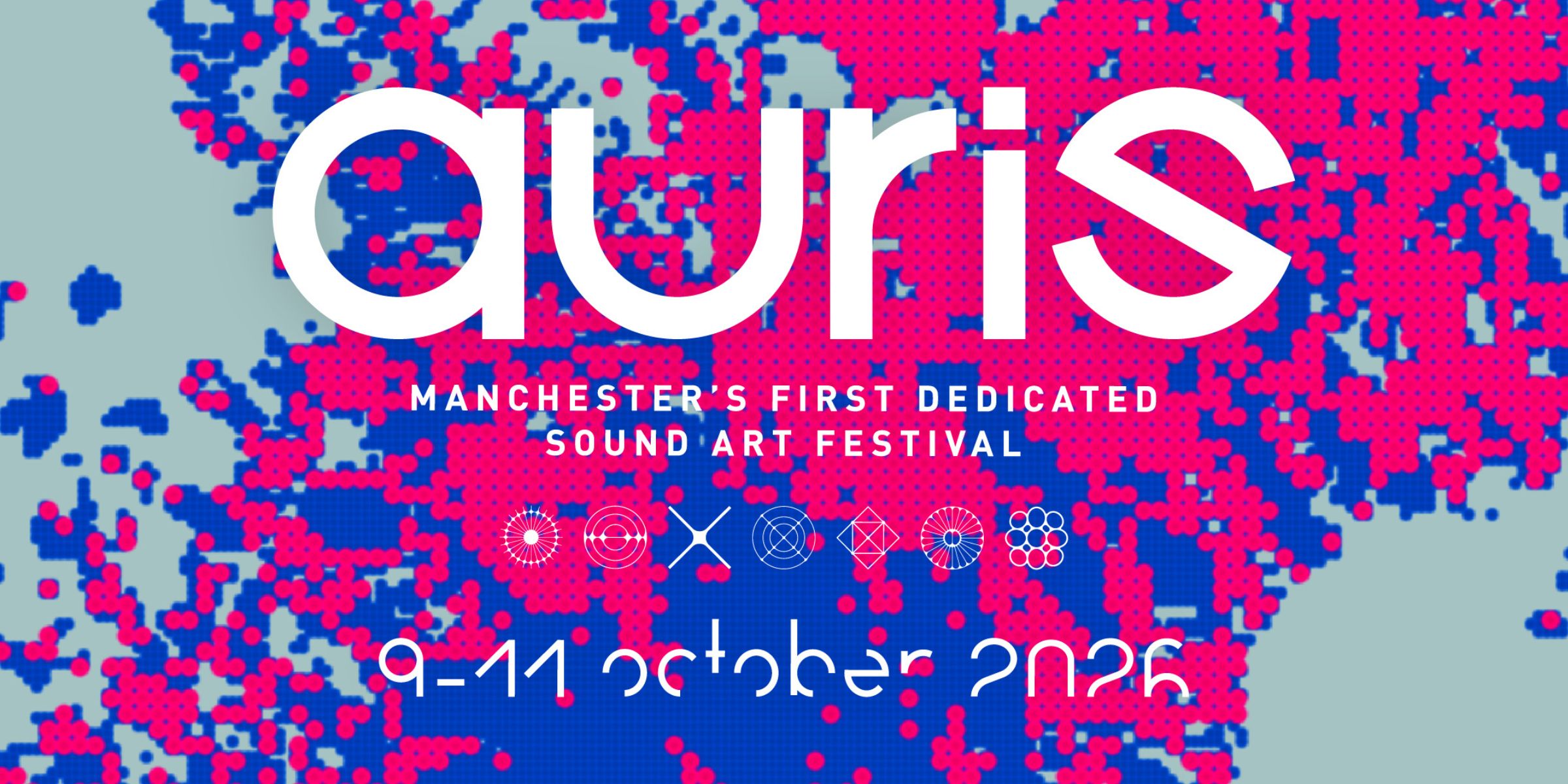
Taking place from 9–11 October 2026, Auris will bring together three days of live performance, installation, spatial audio, talks, workshops and soundwalks across the city.
Sound art places sound itself right at the centre of artistic expression. That might mean field recordings gathered from a former Soviet nuclear testing site, the almost imperceptible noises hidden inside everyday materials, vintage electronic oscillators manipulated by an audience or Manchester’s queer history rediscovered through the city’s sonic landscape.
It's an art form capable of accessing memory, place and emotion without necessarily needing an image or a conventional narrative. Sound can transport us through time, alter our perception of a building and connect strangers within a shared space. Auris is inviting us to tune into all of that this autumn.
The inaugural programme is bringing internationally recognised artists into conversation with Manchester-based practitioners, researchers and communities. It also positions the city - with its industrial history, musical inheritance and unparalleled appetite for artistic experimentation - as a natural home for sonic art.
Manchester's never exactly been quiet. Its factories, mills, warehouses, canals, clubs, laboratories and streets have all contributed to the character of the place. At Auris, that sonic history is about to become material for something new.
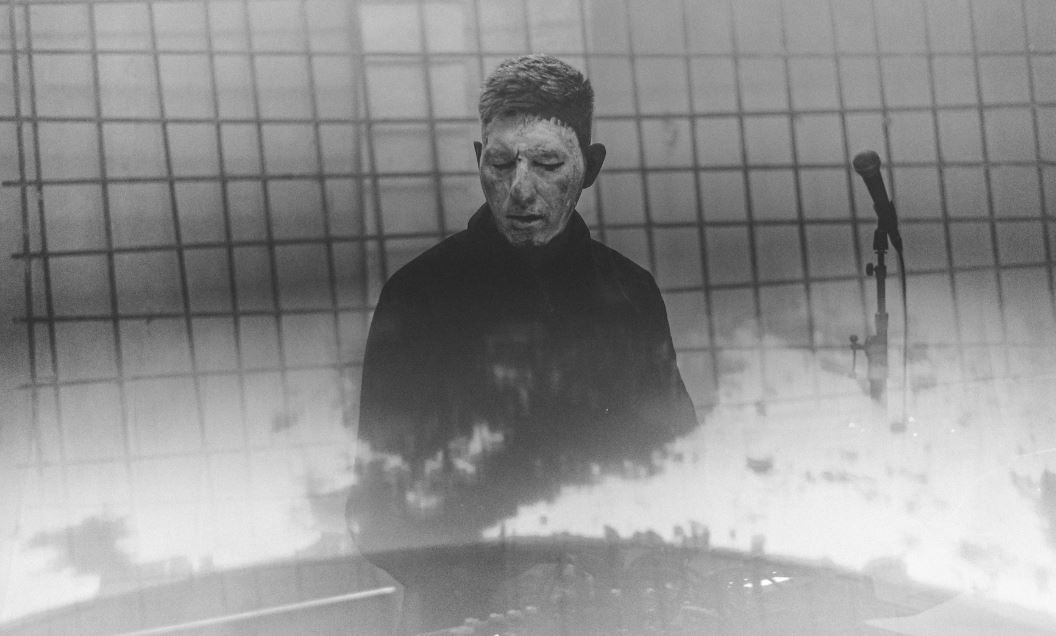
Among the first artists announced is internationally acclaimed sound artist Francisco López, who will present ABSOLUTE SONIC CREATURES.
The work is experienced in complete darkness. Audience members wear blindfolds while a multi-channel sound system turns listening into an intense and fully immersive sensory encounter. With visual information removed, sound is no longer an accompaniment to the experience: it is the experience.
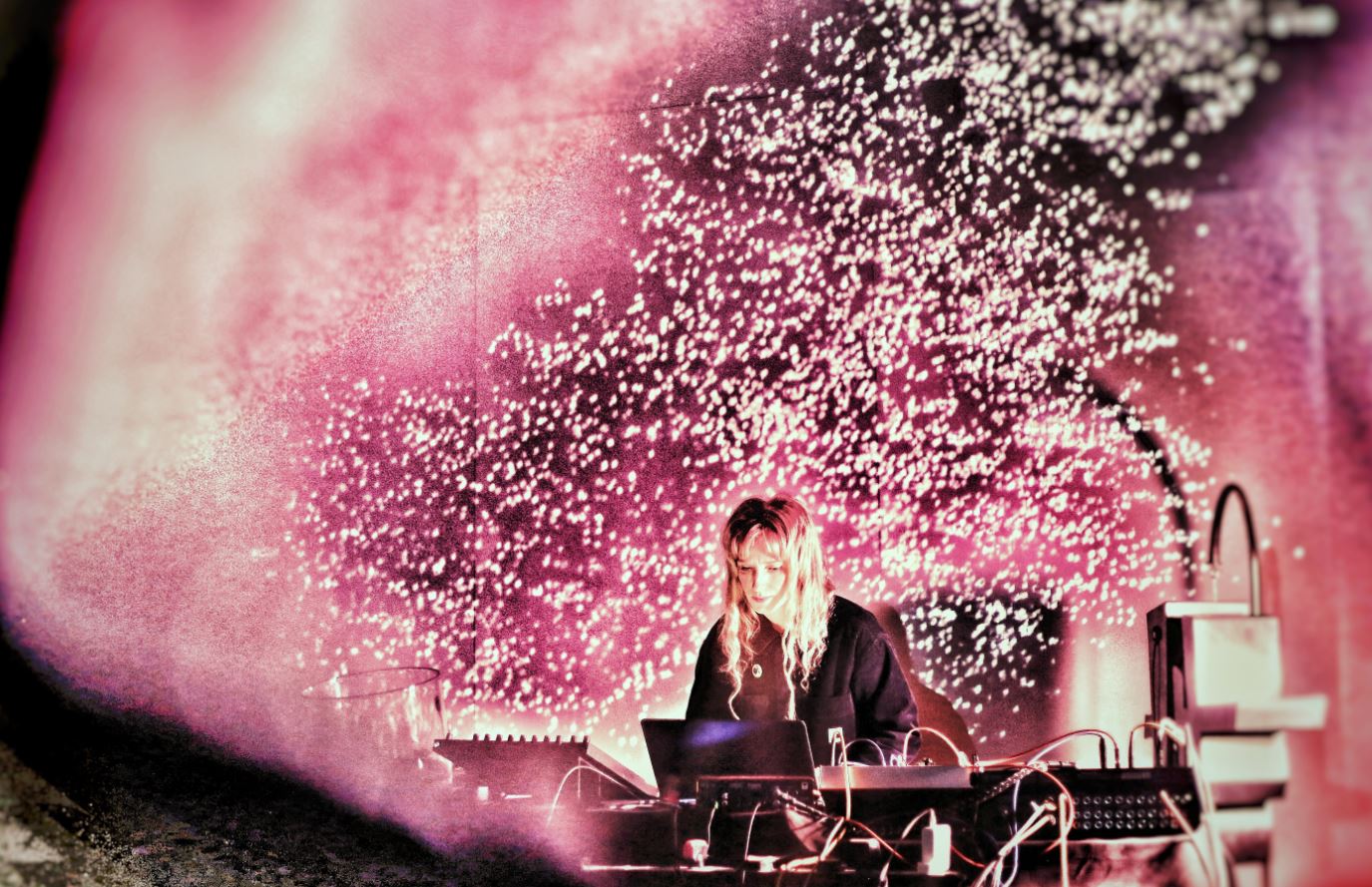
Nik Colk Void, who is a significant figure in contemporary electronic sound, will also bring her solo practice to Manchester for the first time.
Working with voice, beats, synthesis and real-time sample manipulation, Void constructs the performance as it happens. Sounds are generated, transformed and reassembled through live decisions, with existing material stretched, fractured or abandoned as the work develops.
Elsewhere, Lee Patterson’s Terrain is set to draw attention to the hidden and overlooked sounds contained within everyday materials. Using self-built microphones and amplified objects, Patterson reveals the unexpected sonic qualities of things we might otherwise pass without noticing.
Acousmatic composer and sound artist Emma Margetson will present Diffuse Architectures: Sound, Space, and the IKO Loudspeaker. The work treats space as an active compositional force, exploring a more entangled relationship between sound, architecture and human perception.
And Robin The Fog will arrive with a quartet of Howlround reel-to-reel machines for Cast Your Tape to the Wind: a deliberately messy hybrid of performance and installation, offering audiences an introduction to the physical, unpredictable and rather wonderful world of magnetic tape.
The festival’s programme extends beyond live performance into installations and spatial listening experiences.
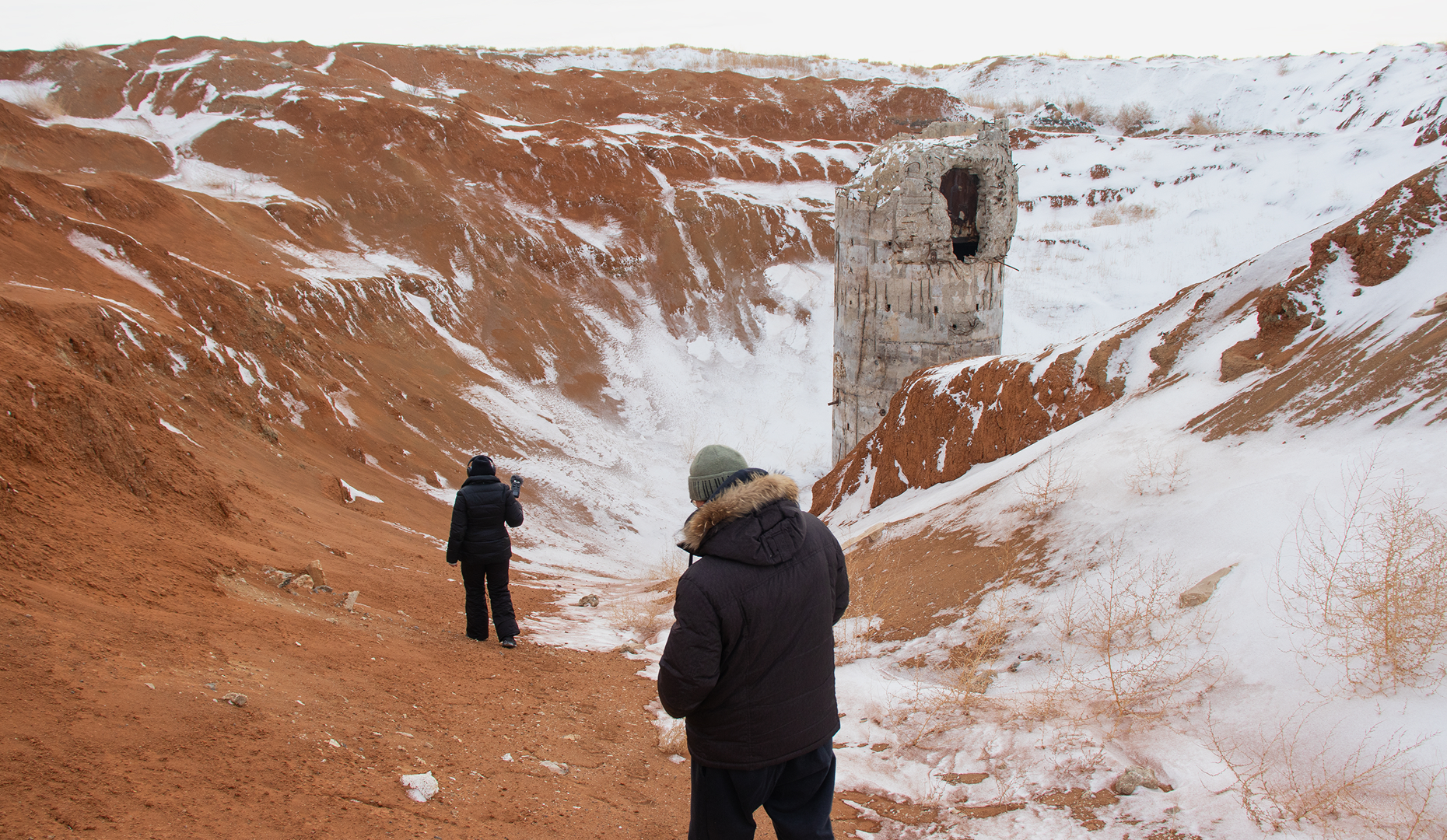
T ½ Half Life, created collaboratively by Kamila Narysheva and Vicky Clarke, examines post-nuclear landscapes through sound and field recordings collected at the Semipalatinsk Polygon, the former Soviet nuclear testing site in Kazakhstan.
The work draws sonic and historical connections between Kazakhstan’s radioactive legacy and the United Kingdom’s involvement in nuclear testing. It has been supported by the British Council’s Connections Through Culture programme.
Festival co-curator Wajid Yaseen will present Seven Sisters, a participatory installation incorporating vintage test-tone, wide-range oscillators.
Visitors will be able to adjust and manipulate the instruments, producing crossings of square and sine waves. The listener therefore becomes part of the work: activating and continually altering the installation simply by interacting with it and moving around the space.
A programme of talks and workshops will create room for experimentation and exchange, examining developing sound-art practices, new technologies and the different ways in which we listen.
Hannah Kemp-Welch will launch The Listening Glossary, a project exploring the language we use to define sound and modes of listening.
Mark Wagner, meanwhile, is going to explore cymatics: the relationship between vibration, frequency and the visual patterns created when sound moves through physical matter.
The festival is also going to escape its venues and head out into Manchester itself.
Artist Maya Chowdhry will lead a workshop unearthing hidden sounds and resonances within the urban environment. Participants will be able to interrogate the landscape - its textures, forms and stories - through a decolonial lens.
Manchester Metropolitan University SODA PhD researcher Markus Hetheier will explore the city’s queer histories through its sonic landscape, while Manchester Ear and NOVARS artists Hayley Suviste and Ryan Woods are scheduled to lead a deep-listening walk alongside Manchester’s canals and waterways.
More artists and events are still to be announced.
The festival is going to unfold within buildings that have themselves been shaped by Manchester’s histories of industry, science and innovation.
The International Anthony Burgess Foundation occupies a converted 19th-century mill once filled with the machinery of the Industrial Revolution. SEESAW is housed within a century-old, Grade II-listed former textile warehouse.
The Renold Building at Sister, an important example of Manchester’s Brutalist architecture, carries its own connections to the city’s scientific and technological past - and its ambitions for the future.
The programme will also extend into SODA, Manchester Metropolitan University’s School of Digital Arts and a centre for emerging creative and digital practice.
These aren't only convenient rooms in which to place artworks. Their scale, surfaces, architecture and accumulated histories become part of the way each work is going to be heard.
Auris has been developed by Modus Arts, the award-winning Arts Council England National Portfolio Organisation specialising in sonic art.
Based in Manchester and London, Modus has spent 12 years delivering programmes across sound installation, live performance, acousmatic music, sound sculpture, oral history, archives and participatory workshops. Its work combines artistic experimentation with community engagement and has produced a nationally and internationally significant archive.
The festival is curated by Modus director Wajid Yaseen and company producer Vicky Clarke, both internationally recognised sound artists.
Clarke’s practice explores materiality, electrical phenomena and ritual through sound sculpture, DIY electronics and human-machine systems. She received an Oram Award in 2020 for innovation in sound and music technology, while her recent installation Latent Spaces was described as a love letter to Manchester’s sonic and computational past.
“My route into sound art was learning about the history of noise,” Clarke explains, “developing my practice in concrete music and electronics through recording and manipulating the everyday sounds of this city.”
Bringing a dedicated festival to Manchester for the first time, she says, feels both exciting and timely.
Yaseen is a Manchester-born artist whose interdisciplinary practice encompasses sound installations, acousmatic music, graphic scores and sound sculpture.
His fascination with sound began during his childhood in Oldham, when he became preoccupied with the hearing range of a neighbour’s dog.
“The idea that sound was in endless forms and shapes around us, in registers that we could access but that were also inaccessible, was mind-blowing,” he says.
“I have never stopped being in awe of the creative potential in sound, and I’m hoping to share that publicly through the incredible line-up at Auris.”
That sense of wonder sits at the heart of this festival. Auris isn't only for composers, academics or those already immersed in experimental music. Its performances, walks, workshops and installations offer multiple ways in - including opportunities to touch, manipulate, wander, question and simply listen.
The festival is funded by Arts Council England and supported by Resonance FM and The Wire. It also forms part of The Cultural Welcome, a week of events for students taking place across Manchester’s Oxford Road Corridor from 5–11 October 2026.
The Cultural Welcome brings together museums, galleries, theatres, music venues and creative organisations throughout Manchester’s Knowledge Quarter, with behind-the-scenes access, performances, workshops, tours and opportunities to connect with the city’s cultural community. Its full 2026 programme will be announced later this month.
Tickets for Auris are on sale now, with further artists still to be revealed.
And if the whole idea of “sound art” feels slightly mysterious, that may be the best reason to go. You don't need specialist knowledge. You only need curiosity - and a functioning pair of ears.
Auris Festival takes place across Manchester from 9–11 October 2026. The current programme and booking information can be found HERE





