



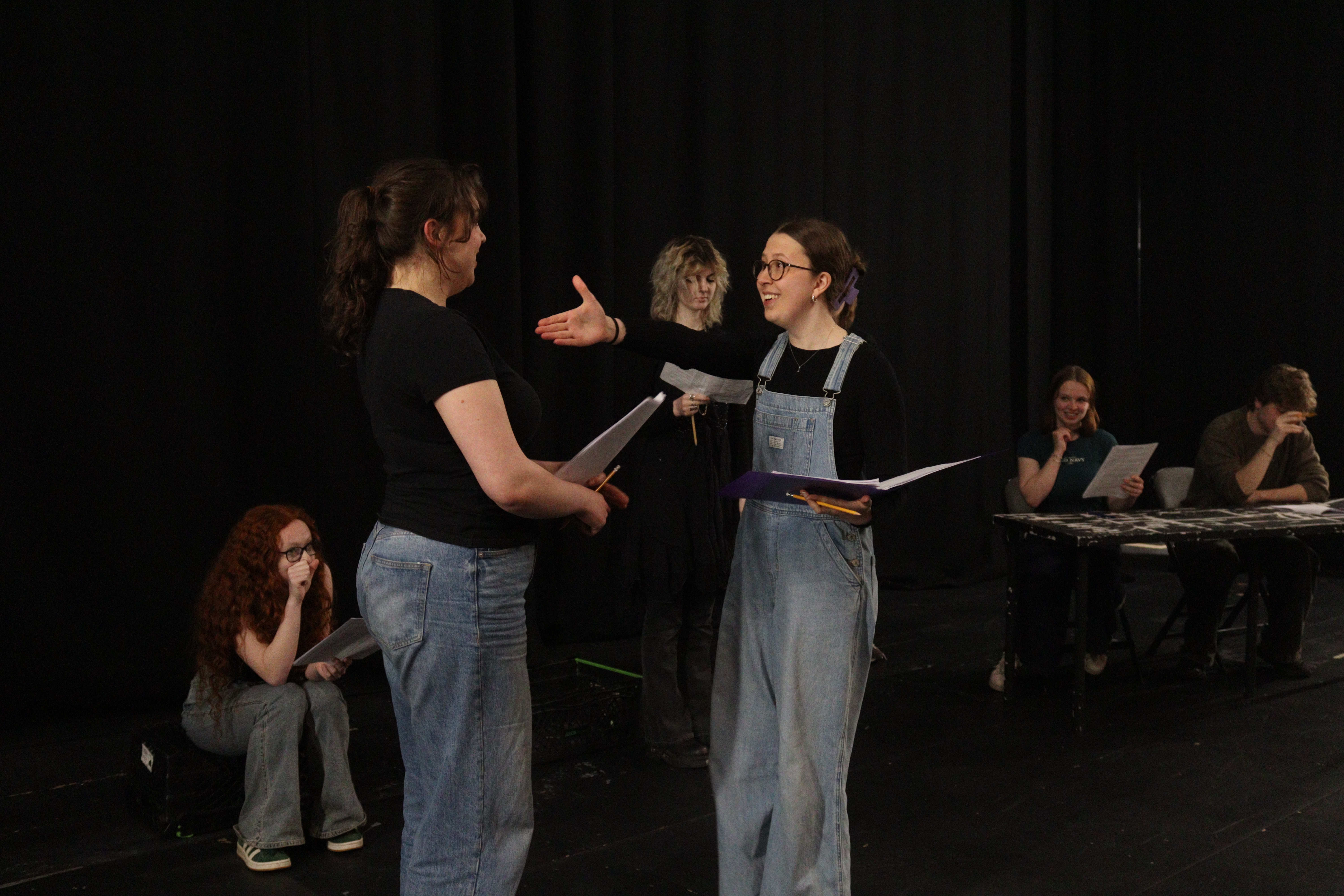
There's a special kind of energy that belongs to theatre before it becomes institutionalised. Before the press-night canapés, before the funding strategies, before the cautious language of “audience development” and “sector resilience”. It's the energy of people who haven't yet been told too many times what is possible.
That energy drops in York this weekend with Firefly Festival 2026, a new festival of theatre and performance at the School of Arts and Creative Technologies, University of York, from 23–28 May.
On paper, Firefly looks like an annual showcase: the culmination of three years of training, making, experimenting and graft by emerging theatre-makers. But in a cultural landscape where early-career artists are often asked to be entrepreneurial before they've been given the space to become brave, festivals like this are more fundamental than their modest scale might suggest.
They're not simply end-of-course celebrations. They're where the next generation of theatre begins testing its voice in public. And that's amzing.
Firefly brings together performances, workshops, post-show conversations, social events and community activity, with a programme designed to spark collaboration between audiences, students and professionals. Its stated ambition is to champion artists at the beginning of their careers - writers, directors, performers, designers and makers - while creating a space where new work can be encountered generously and seriously.
The adverb - seriously - isn't a line-filler here. Because young artists are too often treated as a preview of something more legitimate to come. Firefly asks audiences to meet them where they are now: already making, already thinking, already attempting to say something about the world.
.png)
At the heart of the festival are five productions. Bull, Mike Bartlett’s brutal workplace drama, turns professional politeness into blood sport, as three employees fight for two jobs and the language of management becomes a weapon. In a moment when economic precarity remains one of the defining experiences of young adulthood, Bartlett’s corporate arena feels less like satire than documentary.
Lucy Prebble’s The Effect asks different but equally urgent questions. Set during a clinical drug trial, it follows two participants whose romantic connection may - or may not - be chemically induced by the antidepressant they are testing. Around them, the doctors running the trial wrestle with ethics, responsibility and the limits of scientific certainty. It is a play about love, yes, but also about mental health, power and the uncomfortable places where care, commerce and control overlap.
There is also Shakers Restirred, John Godber and Jane Thornton’s sharply observed comedy following four cocktail waitresses through a chaotic night. Its 1980s world of performance, class, gender and social mobility remains uncomfortably recognisable - particularly in a country still rather fond of pretending that hard work is always rewarded - or if you've ever worked in hospitality.
Amy Rosenthal’s Henna Night shifts the focus to heartbreak, rivalry and unlikely solidarity. Beginning with a desperate voicemail, a packet of henna and a woman in crisis, the play brings two women into a charged, darkly funny encounter that moves from confrontation towards something more tender.
Perhaps the most intriguing inclusion is The DoDo Experiment by Martin Travis and Chole Wyper, which Firefly notes is being performed for the first time since its debut. Set in an abandoned warehouse where a group of failing actors are trapped in a disturbing experiment, the piece promises a tense exploration of control, survival and the breaking point of performance itself. It sounds like the sort of work that understands theatre not only as story, but as pressure: what happens to people when the roles they have been given no longer hold?
Beyond the productions, the festival programme includes a new writing showcase, a local creatives panel, workshops in casting and clowning, a Royal Conservatoire of Scotland production talk, scratch events, co-created performance, live music, outdoor cinema, a pub quiz and closing party. The shape of the weekend suggests something more porous than a conventional theatre programme: part festival, part campus takeover, part invitation to see creativity as a shared civic act.
That's good for York, and the impact is sure to ripple out across the North.
Theatre’s future won't only be decided in London buildings, national reviews or large producing houses. It'll be shaped in rehearsal rooms, studio theatres, workshops, community spaces and university departments - often by artists learning how to make work under conditions that are already far harder than they should be.
For lots of emerging creatives, the question isn't only: “Can I make good work?” It's: “Can I afford to keep making it?” Firefly is sitting right inside that tension. It celebrates the excitement of new voices, but it also points to the fragility of the systems that are meant to support them.
And that's why coverage matters. Turning up matters. Buying a ticket matters. Taking student and emerging work seriously matters. Not as charity. Not as encouragement. But because this is where the ecosystem renews itself.
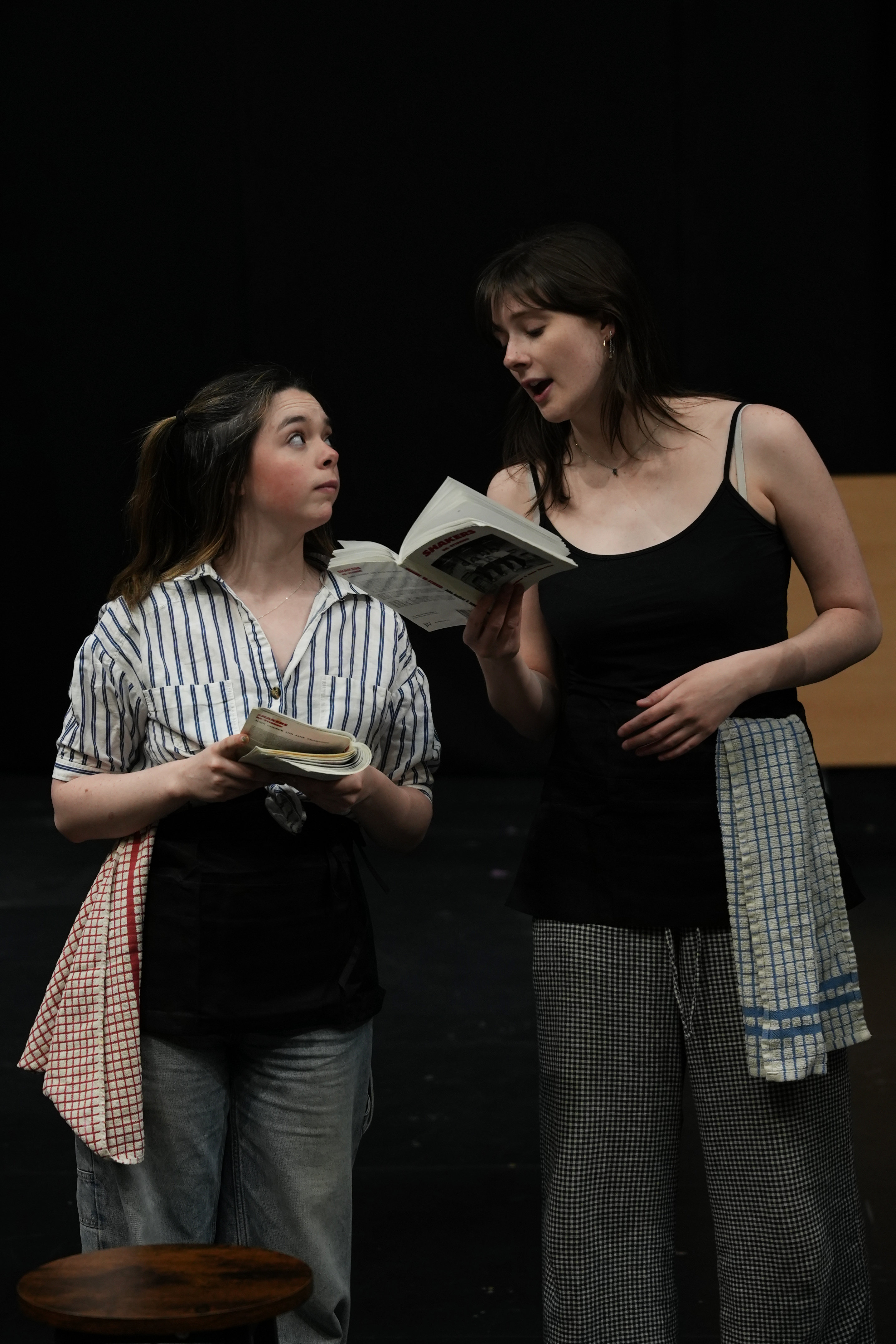
The producers describe Firefly as “more than a festival”, calling it “a celebration of everything we students have poured into our craft over the last three years” and “a rare moment when the whole department comes together, not just as individual makers, but as a united creative community.”
In an arts world that often prizes individual success stories, Firefly is foregrounding community: the cohort, the department, the shared labour, the people behind the lights as well as those standing in them.
And for audiences, that offers a different kind of invitation. Not just to consume finished theatre, but to witness work at a live point of becoming. To see artists testing form, voice, discipline and nerve. To be in the room before careers have hardened into biographies.
Firefly Festival takes place at the School of Arts and Creative Technologies, University of York, Heslington, just ten minutes from York city centre. The venue offers step-free access, with free parking on weekends and bank holidays, and direct bus routes to campus. Tickets are priced at £7 general admission and £4 concessions.
At MagNorth, we're constantly banging-on that the North doesn't lack creative talent. It never has. What it needs - constantly, stubbornly, urgently - are platforms, audiences, pathways and people prepared to pay attention early.
This weekend in York, a group of young theatre-makers are stepping into that light.
We need to be watching.
What: Firefly Festival 2026
Where: School of Arts and Creative Technologies, University of York, Heslington, York, YO10 5DD
When: 23–28 May 2026
Tickets: £7 general admission / £4 concessions
Programme includes: Bull, The Effect, Shakers Restirred, Henna Night, The DoDo Experiment, new writing, workshops, talks, scratch events, music, outdoor cinema and social events
Instagram: @fireflyfestyork
Contact: fireflyfestyork@gmail.comWebsite: Firefly Festival York
Header image: DoDo reharsal, part of the University of York 2026 Firefly Festival





